
DJI Mic Mini 2S Adds Internal Recording, Boosting Pro Audio
DJI's popular wireless microphone system gets a significant upgrade with the Mic Mini 2S, introducing internal 32-bit float audio recording for enhanced reliability and backup.

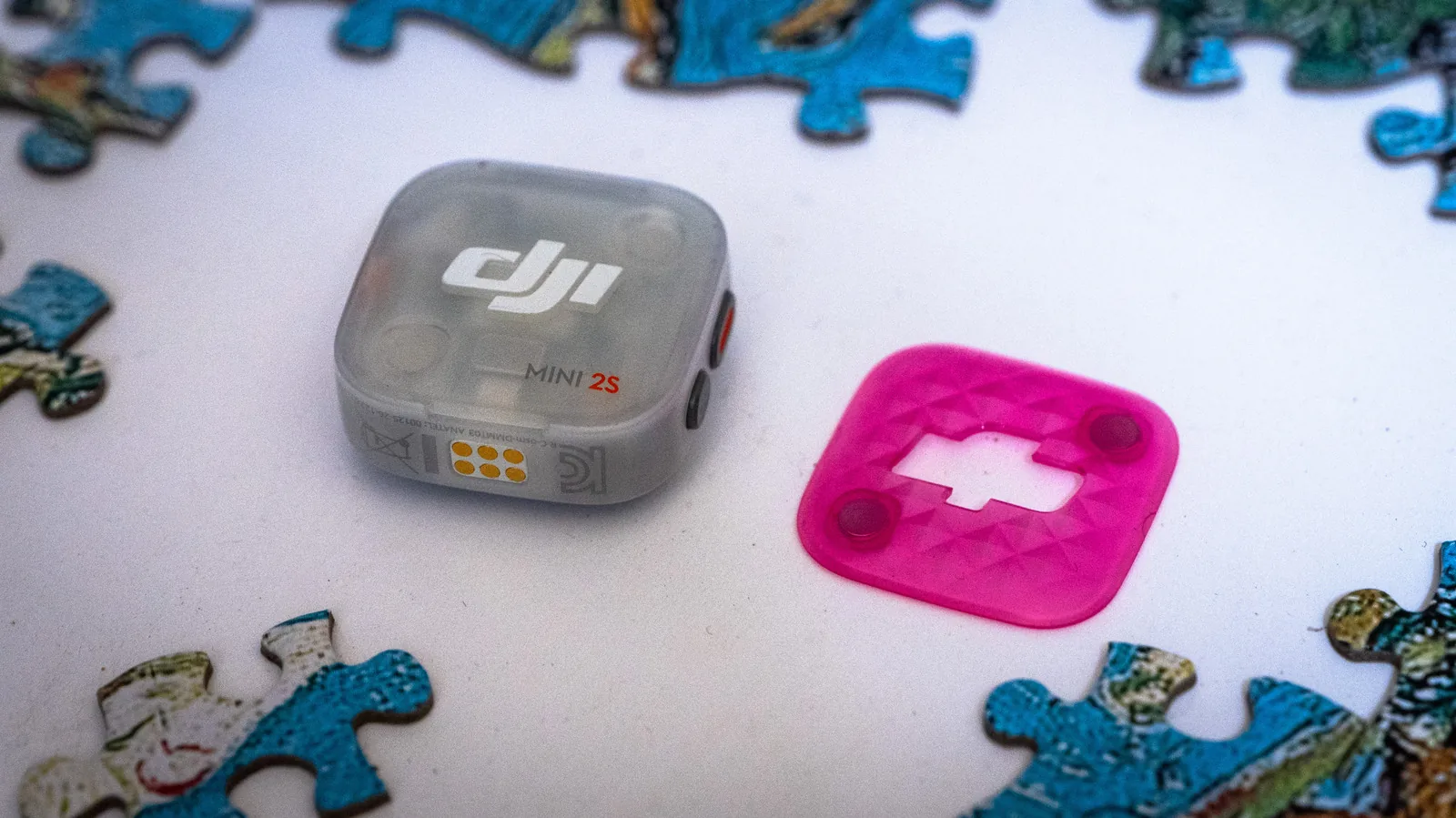
DJI has rolled out its latest wireless microphone system, the Mic Mini 2S, addressing a key demand from professional content creators by incorporating internal audio recording capabilities. This new feature offers a crucial backup for audio, preventing clipped sound and ensuring higher quality recordings, especially in challenging environments. The update also expands audio capture capacity to four microphones simultaneously, mirroring the functionality of DJI's higher-end Mic 3 model.
The transmitters for the Mic Mini 2S retain a similar compact design to their predecessors, weighing only 12 grams. However, each unit now houses 14.5GB of internal memory, capable of storing approximately 28 hours of 24-bit audio or 22 hours of 32-bit float audio. Subtle physical modifications include a slightly more transparent cover, an orange power button, and a raised logo to accommodate new colored mic covers. These transmitters can be paired directly with smartphones via Bluetooth or connected to compatible DJI cameras like the Osmo Action 6, Osmo 360, and Osmo Pocket 4 through DJI's OsmoAudio system.
The Mic Mini 2S is available in two kits: a camera kit and a smartphone kit. The camera kit includes a receiver with a 3.5mm mic output, suitable for mirrorless cameras, alongside two transmitters, a charging case, and other accessories. The smartphone kit features a mobile receiver with a USB-C port for smartphones, a single transmitter, and a charging case. The receiver for camera use includes a volume knob, a 3.5mm port, and buttons for power and Bluetooth, along with a clip for camera hot shoes. It supports up to four transmitters, with four LEDs indicating active connections. The smartphone receiver offers a USB-C connection, a pass-through for charging, and a switch for noise reduction.
Enhanced Audio Features and Performance
While the Mic Mini 2S receiver lacks the color screen found on the flagship Mic 3, its internal storage capacity is more than sufficient for most users. DJI rates each transmitter for up to 11 hours of use, and the receiver for 10 hours. In testing, these figures proved accurate. The charging case provides ample power, recharging both mics and the receiver multiple times, offering over 40 hours of total usage, surpassing competitors like the Rode Wireless Go III and Hollyland Lark M2 in this price bracket.
Ease of use remains a strong point for DJI's wireless systems. Users simply clip the transmitter onto clothing or use the magnetic attachment. Connecting the receiver to a camera or smartphone is automatic. The system supports switching between mono and stereo audio capture, and users can opt for internal recording on each mic when using four transmitters to maintain separate audio channels. The Mimo app, accessible via a smartphone connection, unlocks advanced settings such as 32-bit float recording, loop recording, adaptive gain control, and AI-powered noise reduction. The app also offers three voice tone presets: "Rich," "Bright," and "Regular." Initial audio tests indicate crisp sound, though enhancing bass with the "Rich" mode proved beneficial. While not matching the absolute fidelity of high-end broadcast microphones from brands like Sennheiser, the 32-bit float recording capability proved invaluable in preventing unusable clipped audio during stress tests, a significant advantage over standard 24-bit recording.
DJI's AI noise reduction system has also seen improvements, with the Mic Mini 2S offering better noise suppression than its predecessor, particularly in reducing persistent low-frequency sounds and mitigating the impact on voice quality at higher settings. The system's ability to handle background noise without excessively degrading the primary audio source is a notable enhancement.
However, the DJI Mic Mini 2S is currently not available in the United States due to a national security ban, with no immediate plans for its release. It is available in other markets, including Canada, Europe, and the UK, with pricing varying by region. When considering alternatives, the Rode Wireless Pro and Sennheiser's Pro Audio Profile Wireless offer similar 32-bit float recording capabilities, while DJI's own Mic 3 remains a viable option for US consumers seeking 32-bit float audio and greater internal storage.