
Fitbit Air Features Status Light, Double-Tap Gesture
Google's upcoming Fitbit Air boasts a status light and a double-tap gesture for basic interactions, offering a glimpse into its user interface ahead of release.

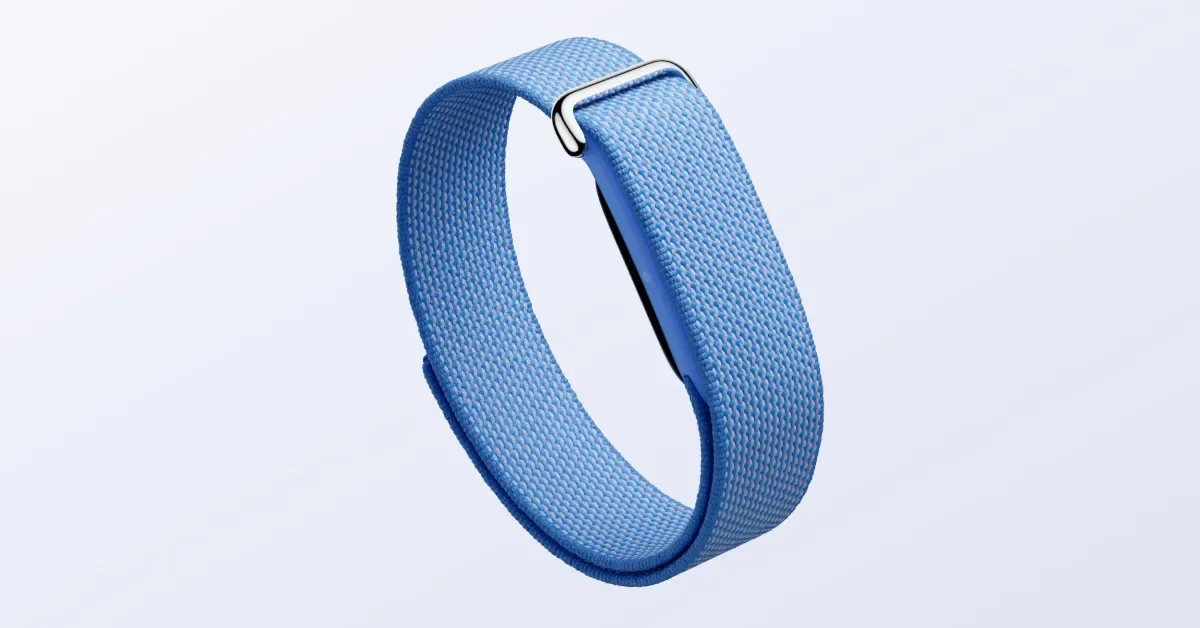
Google's forthcoming Fitbit Air wearable will include a subtle status light and a convenient double-tap gesture for quick interactions, according to newly revealed design details. The device, often referred to as the "pebble" by Google, houses its core hardware within this component. This pebble design is a familiar approach for Fitbit, which has utilized the term for its trackers in the past.
The left edge of the pebble features a small status light. This necessitates a specific orientation when attaching bands, as they must have a corresponding hole for the light to shine through. Users will need to ensure alignment markings on both the band and tracker match when snapping the device into place. Firmly double-tapping the top of the tracker confirms the LED light is visible, indicating proper seating. If the light doesn't appear, users may need to re-seat the device, ensuring the alignment markers are correctly positioned.
Status Light Indicators and Alarm Silencing
The LED status light on the Fitbit Air serves multiple purposes. It displays four distinct patterns to convey information about the device's operational status and battery life. A solid white light signifies that the device is functioning correctly and its battery level is between 20% and 100%. Should the battery dip below the 20% threshold, the light will turn red, alerting the user to charge the device soon. If no light is illuminated, it indicates that the device is either powered off or has a depleted battery.
Beyond battery and operational status, the double-tap gesture is also integral to managing alarms. Users can silence both Smart Wake and one-off alarms set within the Google Health app by performing this firm double-tap on the tracker's surface. This feature aims to provide quick, on-the-go control without requiring users to interact extensively with the associated mobile application.
The introduction of these user interface elements comes as the wearable market continues to mature. Competitors like Whoop have established themselves with subscription-based models focusing on deep health insights and recovery metrics. While specific details about the Fitbit Air's advanced features remain limited, the inclusion of a status light and gesture control suggests a focus on immediate user feedback and accessible functionality. This design approach might appeal to users seeking straightforward fitness tracking with clear, at-a-glance information, potentially differentiating it in a crowded marketplace.