
Fitbit Edge: Google Refocuses Tracker on Core Health Features
Google's new Fitbit Edge tracker emphasizes core health monitoring, reportedly dropping features like Google Wallet to streamline user experience and focus on essential metrics.

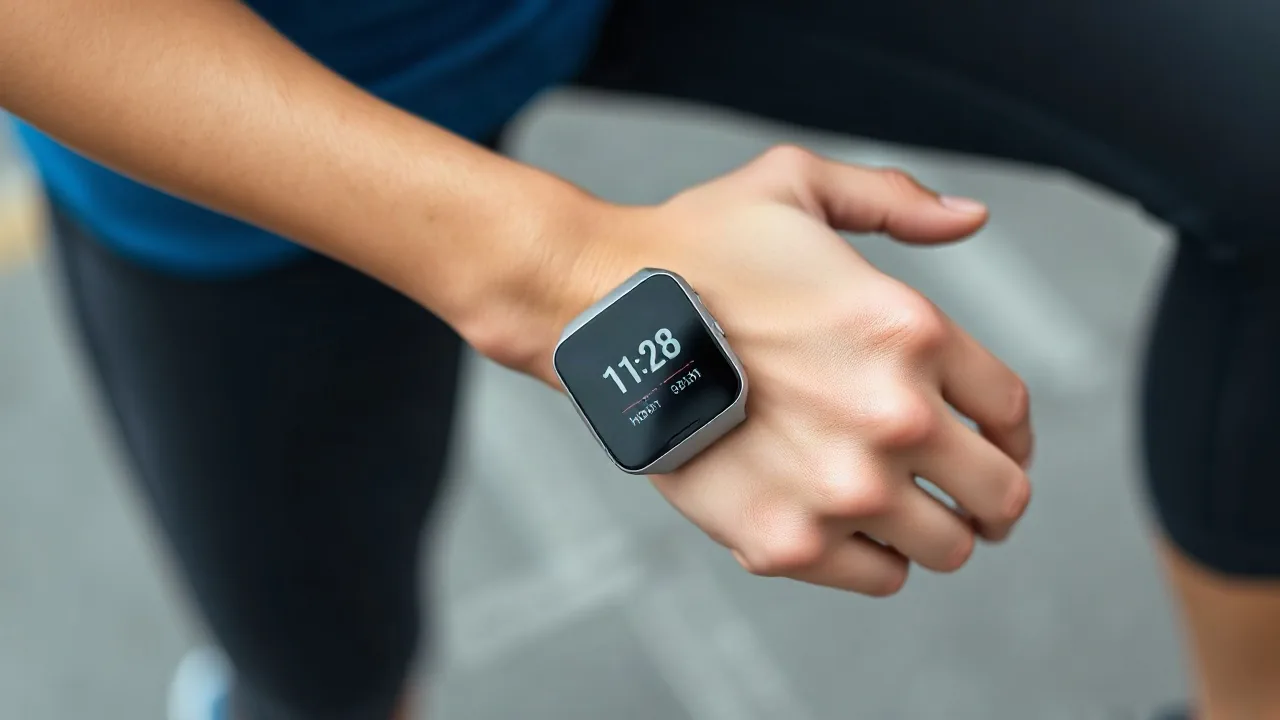
Google is rolling out the Fitbit Edge, a new fitness tracker that signals a strategic shift for the company's wearable strategy. This latest device aims to hone in on the essential health and fitness tracking capabilities that made Fitbit a household name, reportedly shedding features deemed less critical by user data. The Fitbit Edge prioritizes core metrics, signaling a return to the brand's roots.
Sources indicate that the decision to exclude features like Google Wallet was informed by usage statistics. Reports suggest that less than one percent of previous Fitbit Charge owners utilized the integrated payment system. This data-driven approach allows Google to streamline the Edge's interface and potentially reduce manufacturing costs, focusing resources on what users reportedly value most: accurate health data and analysis. The device appears poised to compete directly with its predecessor, the Fitbit Inspire 3, while offering a refined experience.
Refocusing on Fitness Fundamentals
The Fitbit Edge's design philosophy centers on providing a robust and intuitive platform for tracking key health indicators. Users can expect comprehensive monitoring of activity levels, sleep patterns, heart rate, and various exercise modes. This renewed emphasis on core functionality aims to appeal to both new users and long-time Fitbit enthusiasts who prioritize detailed health insights. The device's software, powered by Google's extensive health app, is expected to offer advanced analytics and personalized guidance to help users achieve their fitness goals. This move comes as the wearable technology market continues to evolve, with a growing demand for devices that offer clear, actionable health information rather than a plethora of underutilized features.
In the broader context of the wearable technology market, Fitbit's strategic pivot with the Edge reflects a larger trend. As competitors saturate the market with increasingly complex devices, there's a discernible consumer appetite for simpler, more focused wearables. Google's decision to prioritize core health metrics over ancillary features like mobile payments or extensive app integrations could resonate with a significant segment of the market. This approach allows the Fitbit Edge to stand out not for its breadth of functionality, but for the depth and accuracy of its primary health tracking capabilities. The company's investment in its health app suggests a commitment to providing users with valuable data interpretation and long-term health trend analysis.
While specific pricing and availability details for the Fitbit Edge have not yet been officially announced, its positioning suggests it will likely occupy a competitive spot in the mid-range fitness tracker market. The device's focus on essential health monitoring, combined with the backing of Google's robust ecosystem, positions it as a potentially strong contender for consumers seeking a reliable and straightforward fitness companion. Early comparisons with existing models like the Fitbit Inspire 3 indicate that the Edge aims for a balanced offering, potentially introducing subtle hardware improvements alongside its software-centric refinements.