
Google Shares Fitbit Air Specs, Encouraging Custom Accessory Development
Google has released CAD drawings and technical specifications for its Fitbit Air device, inviting third-party developers to create custom accessories like bands and holders. This move aims to foster a diverse ecosystem for the new wearable.

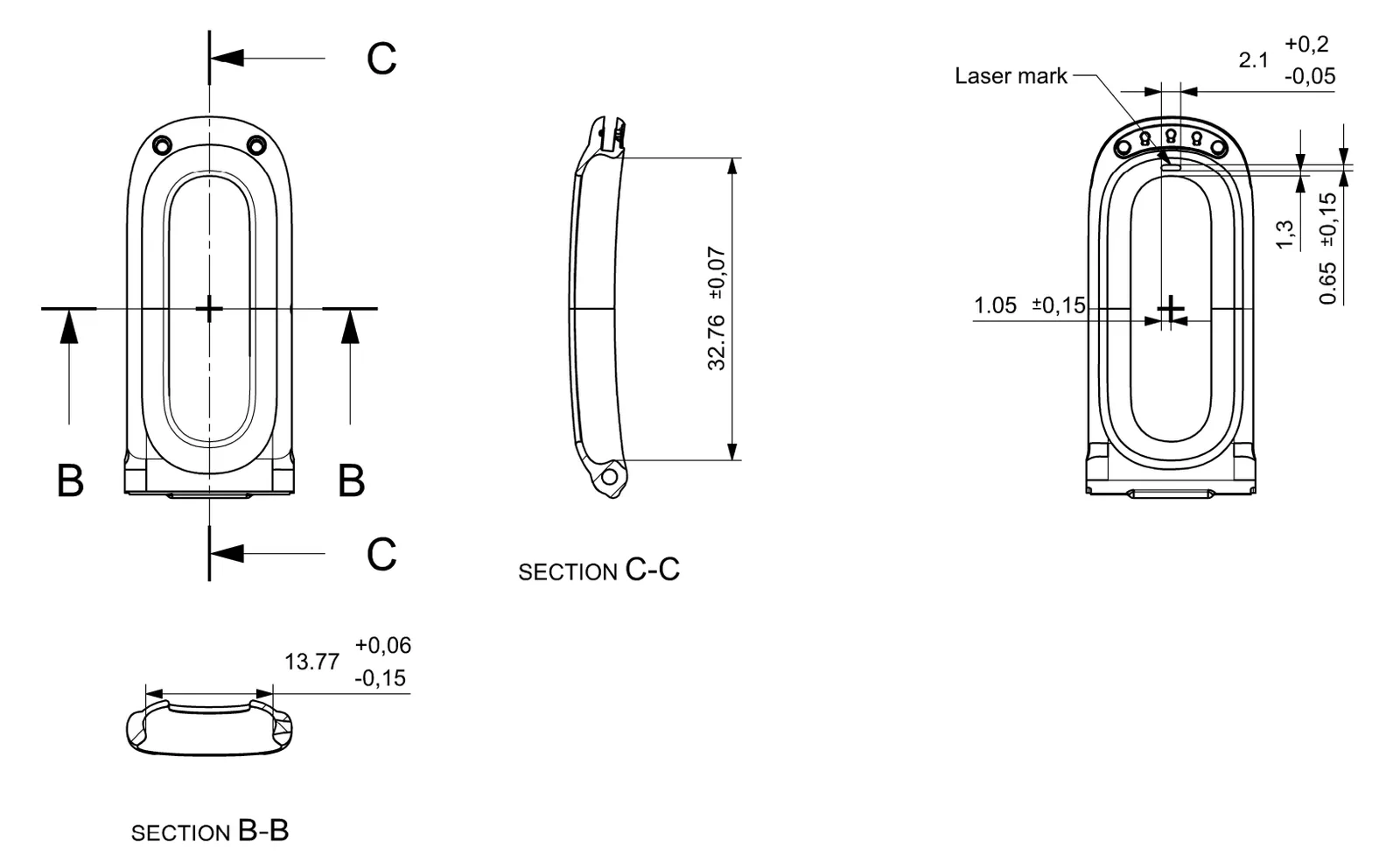
Google has officially opened the door for third-party accessory makers to develop a range of add-ons for its recently launched Fitbit Air wearable. The tech giant published detailed CAD drawings and technical specifications, encouraging companies to create custom bands, straps, and other attachments for the device, known internally as the "Fitbit Pebble." This initiative mirrors successful accessory ecosystems built around other popular wearables and aims to expand the functionality and personalization options for Fitbit Air users.
The released documentation is structured into five key sections. It provides general guidance on designing user-friendly bands, outlines branding restrictions to prevent misrepresentation, offers direct access to the CAD files, details technical requirements such as sensor clearance and retention thresholds, and lists policy rules for materials, including mandates for lead-free components and the exclusion of PFAS chemicals. While the CAD files are presented as a PDF, they offer a multi-angle view of the Fitbit Pebble along with precise dimensions.
Expanding Wearable Customization
The move by Google signals a strategic effort to build a robust developer community around the Fitbit Air. By providing these technical blueprints and guidelines, the company is empowering creators to innovate freely, potentially leading to a wide array of unique accessories. Early discussions among enthusiasts have already highlighted the potential for specialized bands, such as bicep bands for alternative fitness tracking or integrated holders for multiple devices like Apple Watch bands. Such customization can enhance the user experience by allowing individuals to tailor their wearable technology to specific needs and preferences, from athletic performance monitoring to managing multiple smart devices.
Industry analysts note that this open approach is crucial for the long-term success of new hardware platforms. Competitors have often seen significant growth fueled by third-party accessory markets, which not only add value for consumers but also create new revenue streams and foster brand loyalty. Google's decision to share detailed specifications suggests a commitment to cultivating a vibrant ecosystem for the Fitbit Air, moving beyond the standard offerings and allowing for highly personalized user experiences. This could also lead to more affordable accessory options, as competition among third-party manufacturers drives down prices.
The specifications released by Google emphasize adherence to safety and performance standards. The technical rules are designed to ensure that any third-party accessory does not interfere with the Fitbit Air's core functionalities, particularly its sensors, which are vital for accurate health and fitness tracking. Material guidelines, such as the prohibition of certain chemicals, underscore a commitment to user safety and environmental responsibility. This comprehensive approach aims to ensure that while customization is encouraged, it does not come at the cost of device performance or user well-being.