
iPhone 18 Pro A20 Pro Chip Benchmarks Show Major Speed Gains
Early benchmark data for Apple's A20 Pro chip in the forthcoming iPhone 18 Pro and Pro Max models reveals significant performance improvements over the previous generation.

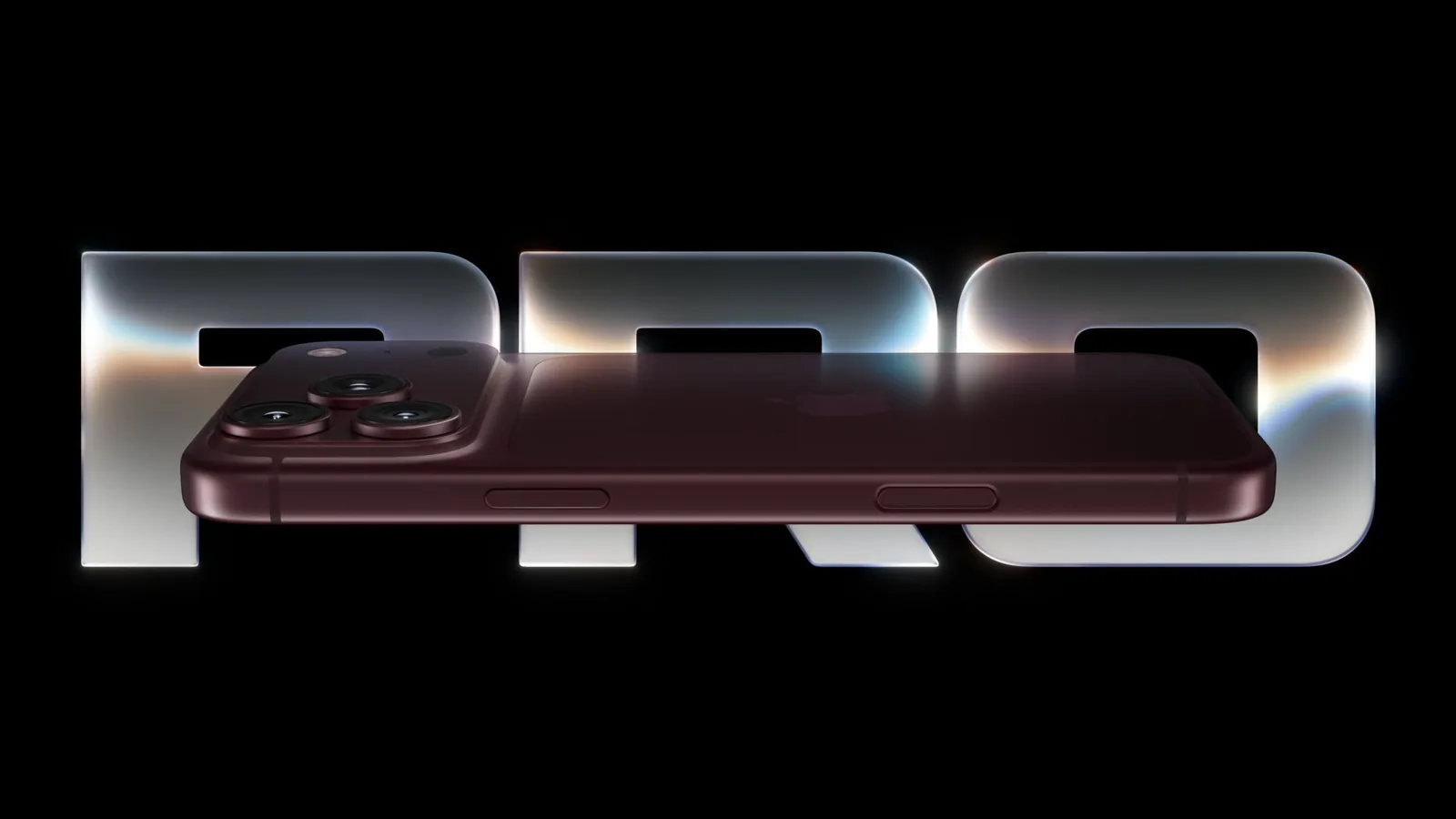
Early benchmark results for the A20 Pro chip, expected to power the iPhone 18 Pro and iPhone 18 Pro Max, have surfaced in the Geekbench 7 database, offering a preliminary glimpse into the new devices' processing and graphics capabilities. These unconfirmed figures suggest the A20 Pro chip will deliver a substantial performance leap compared to the A19 Pro found in the iPhone 17 Pro. Single-core performance is reportedly 21% to 23% faster, while multi-core performance sees an even more impressive jump of 27% to 28%.
The leaked results from Geekbench 7 indicate an iPhone 18 Pro model achieving a single-core score of 4,719 and a multi-core score of 12,677. Similarly, an entry for the iPhone 18 Pro Max shows comparable results, with scores of 4,725 for single-core and 12,575 for multi-core. Both benchmark entries point to a six-core CPU operating at approximately 4.93 GHz.
On the graphics front, the A20 Pro also shows formidable gains. Preliminary Metal scores from the Geekbench 6 database (also unconfirmed) suggest that the full 7-core GPU variant within the iPhone 18 Pro models will be approximately 38% to 40% faster than the 6-core GPU in the A19 Pro chip. These graphics performance enhancements align closely with Apple's own claims, where the company stated in its official iPhone 18 Pro press materials that the A20 Pro offers up to 20% faster CPU performance and its new seven-core GPU is up to 40% faster than the A19 Pro.
Advancements in Chip Architecture and Cooling
Beyond raw speed, the A20 Pro chip is built on an advanced 2-nanometer manufacturing process. It integrates a six-core CPU configuration enhanced with dedicated Neural Accelerators, designed to boost machine learning and AI tasks. Furthermore, the chip boasts 50% more memory bandwidth than its predecessor, allowing for quicker data access and processing. Apple has also highlighted advancements in the chip's packaging and a redesigned vapor chamber cooling system, which the company claims contributes to up to 40% better sustained performance compared to the previous generation. This improved thermal management is crucial for maintaining peak performance during extended, demanding tasks such as prolonged gaming sessions or complex video editing.
While these benchmark results offer an exciting preview of the A20 Pro's potential, it is important to remember that they represent early, unverified data. Real-world performance can vary, and benchmark scores do not always directly correlate with the user experience during intensive, sustained workloads. Independent verification and testing once the devices are released will provide a more complete picture of the iPhone 18 Pro and Pro Max's capabilities. The emphasis on improved CPU and GPU performance, combined with enhanced AI processing and better thermal management, positions the iPhone 18 Pro Max and its sibling as significant upgrades for power users.
The technology powering these next-generation iPhones reflects Apple's continuous push for innovation in mobile computing. Each iteration of the A-series chip has brought notable improvements, and the A20 Pro appears to continue this trend with substantial gains in processing power and efficiency. The focus on a more advanced manufacturing process and integrated AI capabilities signals a future where smartphones are even more capable of handling complex computational tasks, bridging the gap between mobile devices and traditional computing platforms. Consumers can anticipate a more fluid and responsive experience across a wide range of applications, from everyday tasks to high-demand professional workflows.