
Apple's Foldable iPhone Duo Faces Demand Surge, Mixed Reviews
Apple's highly anticipated foldable iPhone Duo is experiencing strong demand, with reports indicating a scramble for increased supplies. However, the device has also drawn criticism for its design and app compatibility.

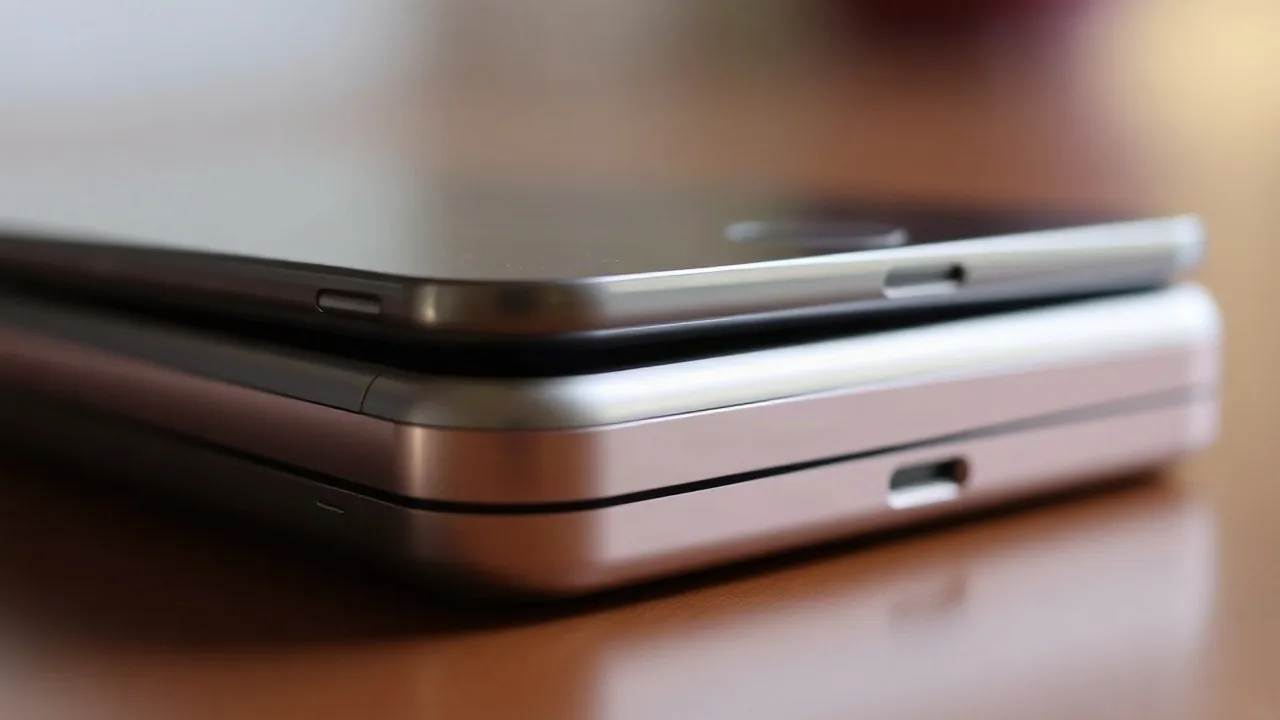
The recently launched iPhone Duo has quickly become a focal point in the smartphone market, with early consumer interest significantly outpacing initial supply. Reports from various outlets suggest that Apple is actively working to secure more components and boost production to meet the unexpected surge in demand for its first foldable device.
Despite the robust sales figures and public fascination, the iPhone Duo is also navigating a landscape of mixed critical reception. While some reviewers praise its innovative design and potential to redefine smartphone functionality, others point to significant drawbacks. Issues highlighted include the appearance of apps not optimized for the foldable screen, the placement of the FaceTime camera, and concerns about the durability of the hinge mechanism. The device's premium price point has also been a topic of discussion, with its cost adding to the scrutiny of its performance and features.
Early Demand Outstrips Supply
The intense consumer interest in the iPhone Duo was evident from its launch, with many eager buyers rushing to secure the new device. This demand has put pressure on Apple's supply chain, prompting the tech giant to reportedly seek additional manufacturing capacity. Industry analysts note that this situation is not uncommon for groundbreaking Apple products, but the scale of the demand for a new form factor like a foldable iPhone underscores a significant market shift. The success of the iPhone Duo could signal a broader embrace of foldable technology by mainstream consumers.
The challenge for Apple now is to balance the rapid scaling of production with maintaining the high quality standards associated with its brand. The company has historically been meticulous in its product launches, and managing the complexities of a foldable display while ramping up volume presents a unique hurdle. Further complicating matters are the third-party app developers who must adapt their software to function seamlessly on the new screen dimensions, a process that takes time and can lead to initial compatibility problems.
Contextually, the foldable smartphone market has been evolving for several years, with various manufacturers experimenting with different designs and price points. Apple's entry, historically cautious with new technology categories, signifies a maturation of the foldable concept. The iPhone Duo's performance in this competitive environment will be a key indicator for the future trajectory of foldable devices, potentially influencing design trends and consumer expectations for years to come.
The ongoing consumer feedback and critical reviews will be crucial for Apple as it refines its foldable strategy. Addressing concerns about app optimization, camera quality, and hinge longevity will be paramount to cementing the iPhone Duo's place in the market and ensuring its long-term success. The company's ability to respond effectively to these challenges will likely determine whether the iPhone Duo becomes a groundbreaking product or a niche experiment.