
Microsoft Explores Wearable AI Gadgets for Office Workers
Microsoft is developing wearable AI gadgets and a desk-based AI device for office workers. These "concepts," shown at a developer conference, aim to provide quick access to AI agents for work tasks.

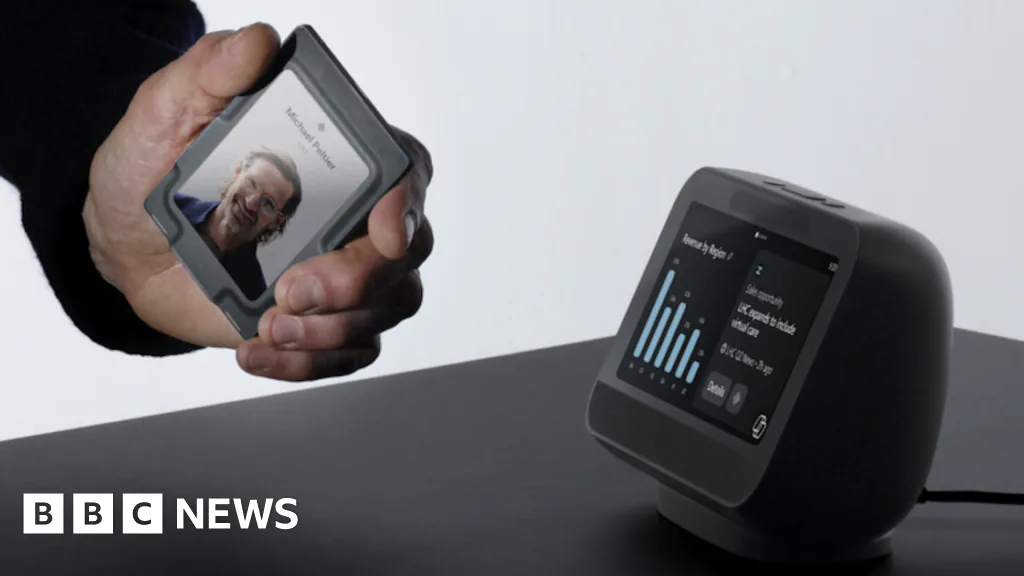
Microsoft is experimenting with two new hardware concepts designed to integrate artificial intelligence more seamlessly into the workday for office employees. Revealed by Microsoft executive Steven Bathiche at the company's annual technology developer conference, these prototypes include a compact, touch- and voice-activated desktop cube and a wearable "access badge." The latter is intended to be worn around the neck or on a belt, offering immediate access to AI-driven work functionalities.
While the tech giant has not committed to a market release for either device, current pilot programs involving a few hundred Microsoft employees are expected to inform future product development. These internal tests aim to determine how these innovative form factors can best be implemented. The move comes as the tech industry increasingly explores AI integration into physical devices beyond traditional computers.
Context and Industry Trends
These experimental gadgets emerge in a landscape where AI is rapidly reshaping work processes. Microsoft's ventures into wearable AI follow a broader industry trend of developing personalized AI assistants. Competitors are also venturing into this space; Google, for instance, is reportedly revisiting smart glasses after an earlier attempt. Microsoft itself has a history with complex hardware projects, such as the HoloLens augmented reality headset, which faced significant development challenges and ultimately ceased production in 2024 after a substantial contract with the US Army was discontinued.
The concept, internally dubbed Project Solara, aims to empower workers by connecting them to AI agents—essentially autonomous bots that can perform tasks like writing software code. This is particularly relevant as AI assistance becomes more prevalent in various professional fields. The advancement of AI tools has been cited by numerous tech leaders as a factor influencing recent workforce adjustments across the industry.
Demonstration videos showcased individuals performing typical office tasks, interacting with their AI agents by tapping the screens of the desktop device or the wearable badge. These AI agents are designed to handle assignments somewhat independently, assisting users with their workflows. The potential for these devices lies in their ability to connect with various Microsoft software and personal computers, allowing users to interact with their AI agents even when away from a laptop or desktop.
Bathiche emphasized that the wearable badge is designed to be lightweight and suitable for "agent interactions on the go." Microsoft CEO Satya Nadella was depicted in a video wearing the badge on a lanyard, resembling an office access card. In one demonstration, Bathiche used the fingerprint-activated badge to capture audience photos and direct them to be sent for review, illustrating its interactive capabilities. The focus remains on making AI accessible and practical for daily office workers, bridging the gap between digital AI tools and physical presence in the workplace.