
New Jersey Meteorite Found to Hold Life's Building Blocks
A meteorite that struck a New Jersey home on July 16, 2024, has been identified by astronomers as containing key prebiotic molecules, offering insights into the origins of life.

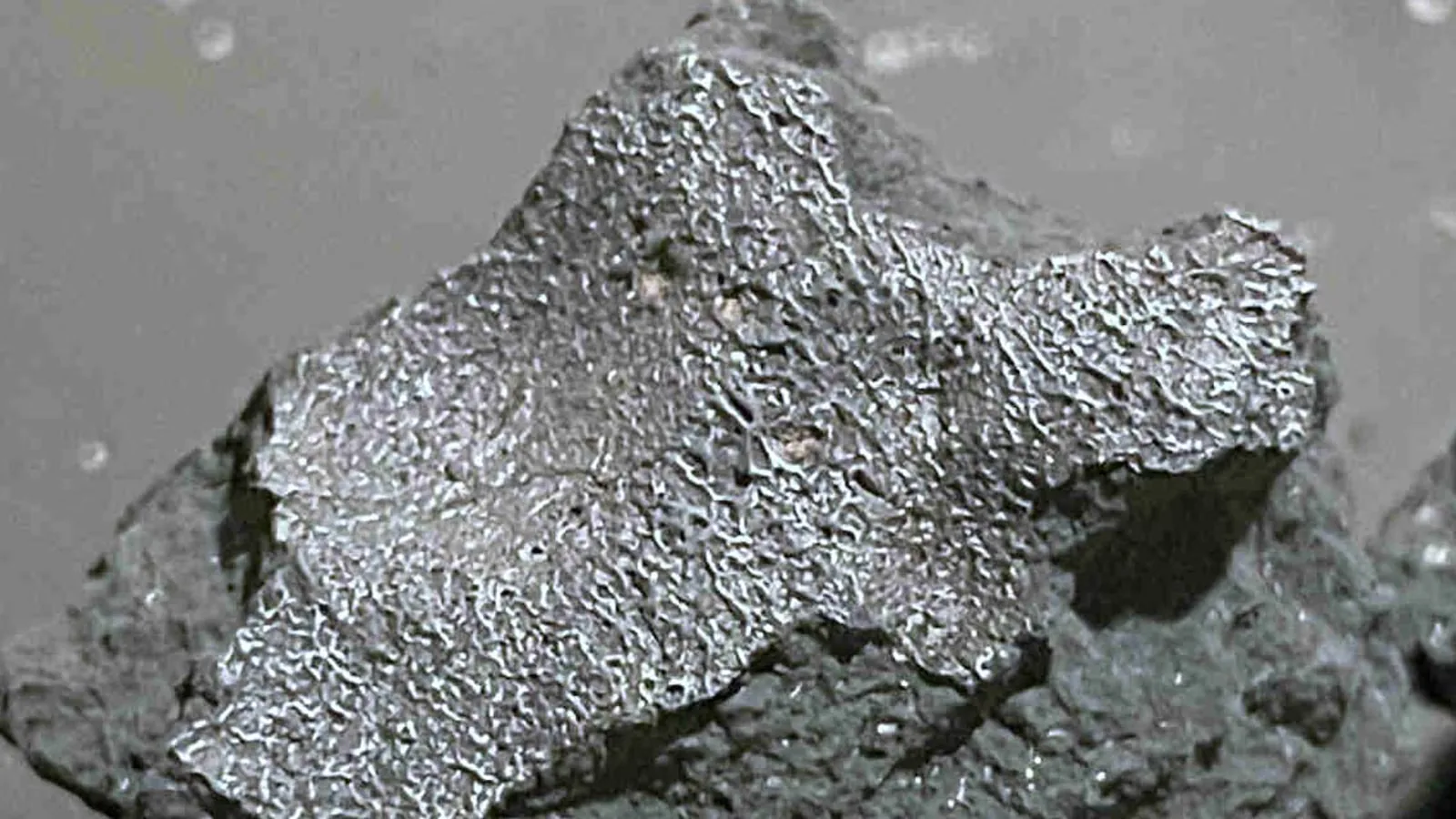
A rare meteorite that crashed through the roof of a home in Hillsborough, New Jersey, on July 16, 2024, has been hailed by astronomers as one of the most scientifically significant finds of its kind due to its composition, which includes the fundamental chemical ingredients for life. The celestial visitor first caused a stir across the region, generating a sonic boom that was felt and heard in the New York City area before impacting the suburban home. Homeowners reported hearing a significant crash, only to discover a gaping hole in their master bedroom ceiling and the meteorite itself, accompanied by a strong sulfurous odor and a scattering of black fragments and dust.
The homeowner's swift action in preserving the meteorite fragments using basic materials like disposable gloves, aluminum foil, and glass jars has been crucial for scientific analysis. According to Mike Zolensky of NASA's Johnson Space Center in Houston, this preservation effort has resulted in what are considered the most pristine CM1/2 meteorites ever discovered. Subsequent scientific examination, detailed in a paper published in Science Advances, classified the meteorite as a CM1/2 carbonaceous chondrite, an exceptionally rare and primitive class of meteorite.
Scientific Significance and Origin
A detailed forensic study of the meteorite's fragments, led by Peter Jenniskens, a meteor astronomer for NASA and the SETI Institute, revealed preserved remnants of a small, primitive asteroid. This asteroid had a history of being submerged in highly concentrated salty fluids. Scientists explained that the high salinity of these ancient fluids is conducive to creating molecules that are essential for life as we know it on Earth. The meteorite, unofficially dubbed "Hillsborough," contains not only these vital building blocks but also a diverse array of carbon-bearing compounds, amino acids, and other prebiotic molecules, an observation referred to by the SETI Institute as "alien world chemistry."
Researchers suggest that the presence of these compounds within such primitive meteorites indicates they may have played a significant role in seeding the early solar system with organic material. Furthermore, these meteorites could have delivered the very materials to Earth that would eventually support the emergence and evolution of organic life. This finding adds weight to the theory that extraterrestrial sources contributed essential elements to Earth's primordial chemical soup.
The meteorite's entry into Earth's atmosphere was dramatic, traveling at approximately 32,000 mph. Its descent created a shockwave felt across New York and New Jersey. Reports of the meteor streaking across the sky were widespread, with dozens of observers in New York, New Jersey, Connecticut, Rhode Island, and Pennsylvania logging sightings with the American Meteor Society. Cameras operated by the AMS in Northford, Connecticut, and Douglassville, Pennsylvania, along with a doorbell camera in Wayne, New Jersey, managed to capture images of the event. Mike Hankey, operations manager for the American Meteor Society, stated that the trajectory of the meteor traced back to the lower asteroid belt.
The fragile nature of the space rock led to its fragmentation as it traversed the atmosphere. Evidence of this breakup was further corroborated by Doppler weather radar at Newark Liberty International Airport, which detected a significant trail of falling debris extending from Staten Island into New Jersey. The ongoing analysis of the Hillsborough meteorite promises to provide deeper insights into the chemical processes that occurred in the early solar system and the potential extraterrestrial origins of life's precursors.