
Nintendo Switch 2 to Feature Replaceable Batteries Under EU Mandate
Nintendo is updating its Switch 2 hardware to comply with new EU battery regulations, mandating easier battery replacement and repairability for consumers.

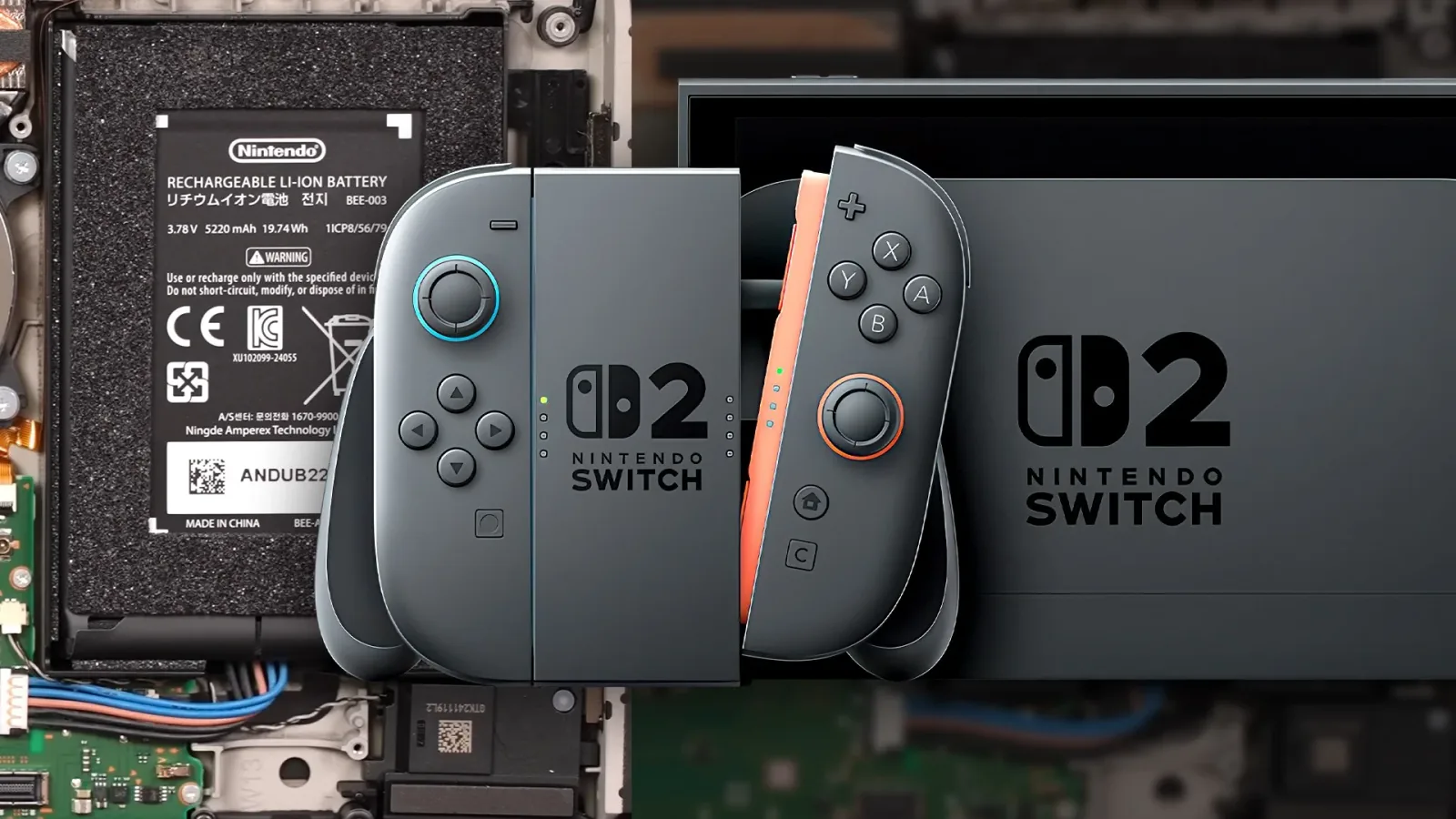
Nintendo has confirmed that upcoming versions of its Switch 2 console will feature easily replaceable batteries, a change driven by new European Union legislation. The updated hardware, designated with an "OSM" model number, aims to comply with regulations designed to reduce the environmental impact of batteries and rechargeable battery-powered products. Current "BEE" models, including the existing Switch 2 and possibly its Joy Con controllers and Pro Controller, will transition to these new standards.
The EU's regulation targets e-waste by promoting longer product lifespans through improved repairability. For the Switch 2, this means that accessing and removing the battery will no longer require specialized tools like heat guns or solvents, nor will batteries be secured with adhesives. The console casing should be accessible with standard tools, and the design will avoid proprietary screws. While the detachable Joy Con controllers are also subject to these rules, Nintendo is evaluating necessary design modifications due to their integrated nature.
Longer Lifespan and Third-Party Opportunities
Beyond making battery replacement simpler for consumers, the new legislation requires Nintendo to supply replacement batteries for up to five years after a product is discontinued. This mandate opens up new avenues for third-party manufacturers to produce and sell compatible batteries. Consumers could potentially see higher-capacity batteries become available, extending the playtime of the Nintendo Switch 2. However, industry experts advise caution, recommending thorough reviews before purchasing third-party batteries due to past inconsistencies in reliability and performance.
The push for repairability is a significant step towards a more sustainable electronics market. Historically, deteriorating batteries have often led to devices being discarded prematurely, contributing to significant environmental waste. By mandating easier access to battery replacement, the EU is encouraging manufacturers to design products with longevity in mind. This move is expected to influence console design across the industry as other regions may adopt similar environmental standards.
The EU regulation is set to take effect on February 18, 2027. Nintendo's proactive adaptation suggests a commitment to meeting these forthcoming environmental requirements, ensuring their flagship console remains compliant and consumer-friendly as the market shifts towards greater sustainability. Gamers can anticipate a Switch 2 model that not only offers enhanced playability through potentially longer battery life but also aligns with growing global concerns about electronic waste.