
Nintendo Switch 2: Specs and Release Timeline Emerge
Nintendo's next-generation handheld console is poised for a 2026 debut with upgraded hardware and new game titles. Here's what leaked specifications and industry sources reveal about the Switch 2.

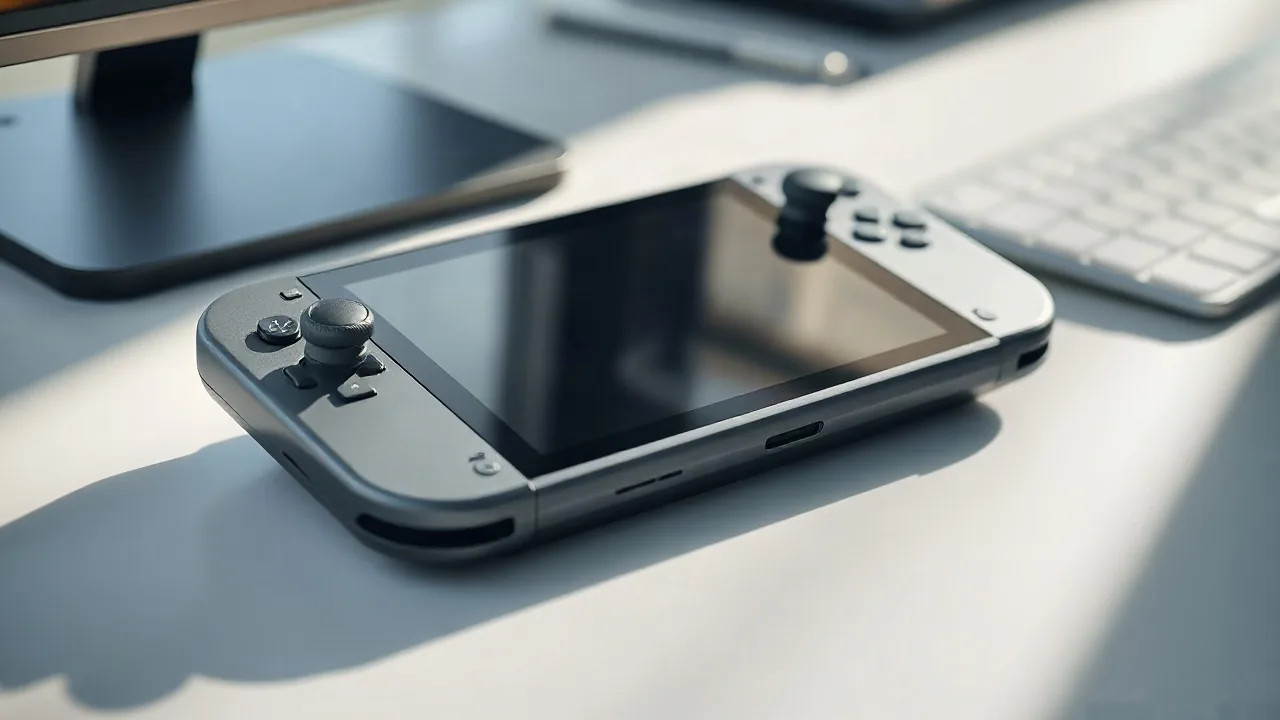
Nintendo has remained officially silent on its successor to the Switch, but industry insiders and hardware leakers are painting a detailed picture of what 2026 will bring to the handheld gaming space. Multiple sources point to a late-2026 launch window, with development kits already circulating among major third-party studios.
According to a report from gaming hardware analyst Laura Chen at Niko Partners, "The Switch 2 is shaping up to be a significant leap forward in processing power, with performance targets that will allow developers to port current-generation console titles more easily." This represents a departure from the original Switch's hybrid approach, which often required scaled-down versions of major AAA games.
The device is expected to retain the gaming console form factor that made the original Switch iconic: a detachable controller setup and dockable design for TV play. However, the internal architecture will differ substantially from the aging NVIDIA Tegra processor that powered the first generation.
Rumored Hardware Specifications
Leaked hardware details suggest the Switch 2 will ship with a custom NVIDIA processor based on a more recent architecture, potentially offering 2-3 times the raw GPU performance of the original model. Memory is expected to double from 4 GB to 8 GB, addressing a longstanding bottleneck for demanding titles.
Industry sources point to these anticipated specifications:
- Display: 7-inch OLED screen with 1080p resolution (compared to the original's 6.2-inch 720p panel)
- Storage: 256 GB internal SSD, replacing the original's 32 GB eMMC storage
- Battery: Estimated 8-10 hour handheld play time, up from the Switch's 5-6.5 hours
- Processor: Custom ARM-based chip delivering significant multi-core improvements
- Connectivity: WiFi 6E support and improved Bluetooth 5.3 stability
The larger OLED display addresses a common criticism of the original Switch's small screen for handheld play. The shift to OLED technology will bring richer blacks and improved color accuracy, aligning with premium tablet and smartphone standards.
Storage capacity has been a persistent pain point for Switch owners, many of whom quickly filled the 32 GB internal drive. The rumored 256 GB jump would eliminate the need for microSD cards for casual players, though enthusiasts will likely still use external storage for optimal performance.
Timing and Launch Window
Nintendo typically announces console hardware 5-6 months before launch. If that pattern holds, an official reveal could arrive in April or May 2026, with retail availability by September or November 2026. This timeline aligns with the holiday shopping season and gives third-party developers adequate runway to optimize major titles.
First-party launch titles remain unconfirmed, but industry observers expect new entries in flagship franchises. A new Mario Kart, Zelda, or Mario platform game would represent business as usual for Nintendo's launch strategy. Some leakers have suggested development on these titles is already advanced, with playable builds demonstrated at closed industry events.
The company's recent financial disclosures have hinted at a "transition period" in the 2026-2027 fiscal year, code language often used by Nintendo when a new console generation approaches. Investors have largely priced in a hardware refresh, meaning the announcement itself is unlikely to shock Wall Street.
Market Implications and Backward Compatibility
Backward compatibility remains unclear, though Nintendo has historically supported playing older games on new hardware. If the Switch 2 can run original Switch cartridges and digital titles without modification, the installed base of existing software becomes a major selling point. This would be a departure from past Nintendo console transitions.
The gaming hardware market has shifted significantly since the Switch launched in 2017. Today's console buyers expect performance closer to PC standards, faster load times, and support for high-frame-rate gaming. The Switch 2 will need to meet these expectations to remain competitive against PlayStation 5, Xbox Series X, and Steam Deck.
Pricing remains entirely speculative, though analysts predict the Switch 2 will land between $349 and $449 depending on storage configuration and any bundled accessories. The original Switch launched at $299 in 2017, and inflation plus improved components suggest a higher starting price is inevitable.
Third-party publisher enthusiasm is reportedly high. Several major studios have already begun submitting titles for certification on the new platform, betting that improved hardware will justify porting their catalog to Nintendo's ecosystem. This signals confidence in the console's market viability ahead of any official announcement.
The Nintendo Switch 2 represents a critical refresh for a platform that has dominated the handheld and hybrid console space for nearly a decade. Whether the company manages to deliver meaningful performance gains without sacrificing portability will determine the system's success in an increasingly competitive gaming landscape.