
OpenAI Launches $230 AI Keyboard Amid Legal Dispute
OpenAI has entered the hardware market with the Codex Micro, a $230 AI-powered keyboard. The launch occurs as the company faces legal challenges, including a trade theft lawsuit from Apple.

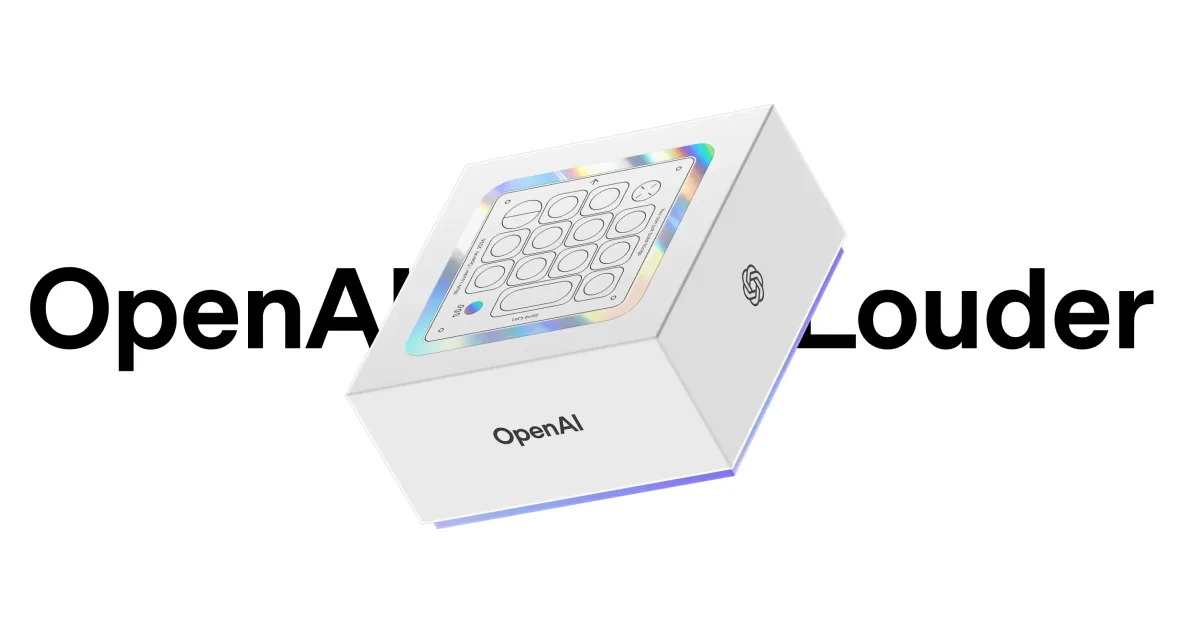
OpenAI is venturing into the hardware arena with the introduction of the Codex Micro, a $230 light-up keyboard specifically designed to integrate with its AI coding assistant, Codex. This new device, developed in collaboration with specialty keyboard designer Work Louder, is being marketed as an advanced tool for users of ChatGPT to manage their AI coding agents. These semi-autonomous bots are capable of writing and executing code with minimal human intervention. The Codex Micro features illuminated “Agent Keys” that indicate the status of AI agents, customizable “Command Keys” for quick access to frequent Codex actions, and a joystick for initiating common workflows. Additionally, it includes a dial that allows users to adjust the “reasoning level” of an agent, controlling the computational resources and time dedicated to a task. OpenAI suggests the Micro will serve as a central “command center for agentic work,” offering a more streamlined alternative to managing AI agents via desktop or mobile applications. The device can be configured and controlled through the ChatGPT desktop application.
Shifting Hardware Focus
The Codex Micro is described by OpenAI as a limited-run collaboration, positioning it more as a novel accessory rather than a product intended for widespread adoption. This launch appears to be a statement piece, marking OpenAI's entry into the hardware sector. However, more significant hardware developments were also recently reported. A forthcoming OpenAI device, revealed by Bloomberg, is reportedly engineered for long-term use. This unreleased product is characterized as a portable, screenless smart speaker designed to work with ChatGPT and incorporates “mechanical elements that can move on their own.” The exact configuration of these features—screenless, portable, and moving parts—remains unclear, presenting an intriguing, albeit speculative, product concept. Sources indicate that this new device is still in the developmental stages and subject to modifications. Notably, reports suggest that this hardware is being designed by former engineers from Apple, a company currently engaged in a legal dispute with OpenAI over alleged trade theft. This simultaneous release of a consumer-facing accessory and the ongoing development of a more complex device, alongside a high-profile legal battle, paints a complex picture of OpenAI's current strategic initiatives.
The AI industry continues its rapid expansion, with companies exploring diverse avenues to enhance user interaction and product integration. OpenAI's move into hardware, even with a niche product like the Codex Micro, reflects a broader trend among tech giants to create more integrated ecosystems. The development of AI agents capable of independent task execution is a key area of focus for many organizations, aiming to automate complex processes and boost productivity. Tools like Codex are at the forefront of this evolution, enabling developers to leverage AI for coding tasks. The introduction of specialized hardware, such as the Codex Micro keyboard, aims to provide a more intuitive and efficient interface for interacting with these powerful AI systems. This could potentially redefine how developers and power users engage with AI tools, moving beyond traditional screen-based interfaces. The AI coding assistant market is highly competitive, and OpenAI's strategy appears to be multi-faceted, combining software advancements with tangible hardware innovations. The company’s efforts to build specialized hardware, especially when facing legal scrutiny from a major competitor like Apple, underscore the high stakes involved in the ongoing AI industry race.
The significance of the Codex Micro extends beyond its immediate functionality. It represents OpenAI's ambition to control more of the user experience, moving beyond software and cloud services. By offering a physical product, OpenAI can potentially gather more data on user interaction and further refine its AI models. The collaboration with Work Louder also highlights the growing importance of specialized hardware design in the tech sector, where aesthetic appeal and ergonomic functionality are becoming increasingly critical. The integration of AI agents and their management through dedicated hardware like the Micro could lead to new paradigms in human-computer interaction. As AI becomes more pervasive, the need for specialized input devices and control mechanisms will likely grow. OpenAI's foray into this space, despite its limited-run nature, could pave the way for future hardware ventures or influence the design of peripherals from other companies. The legal challenges with Apple add another layer of complexity, suggesting that the competitive landscape in AI hardware development is as intense as it is in software.