
Oura Ring 5: Next-Gen Wearable Tech Sensor Innovations
Oura's fifth-generation smart ring delivers upgraded sensors and improved health tracking. The latest wearable hardware combines refined design with enhanced biometric accuracy for 2026.

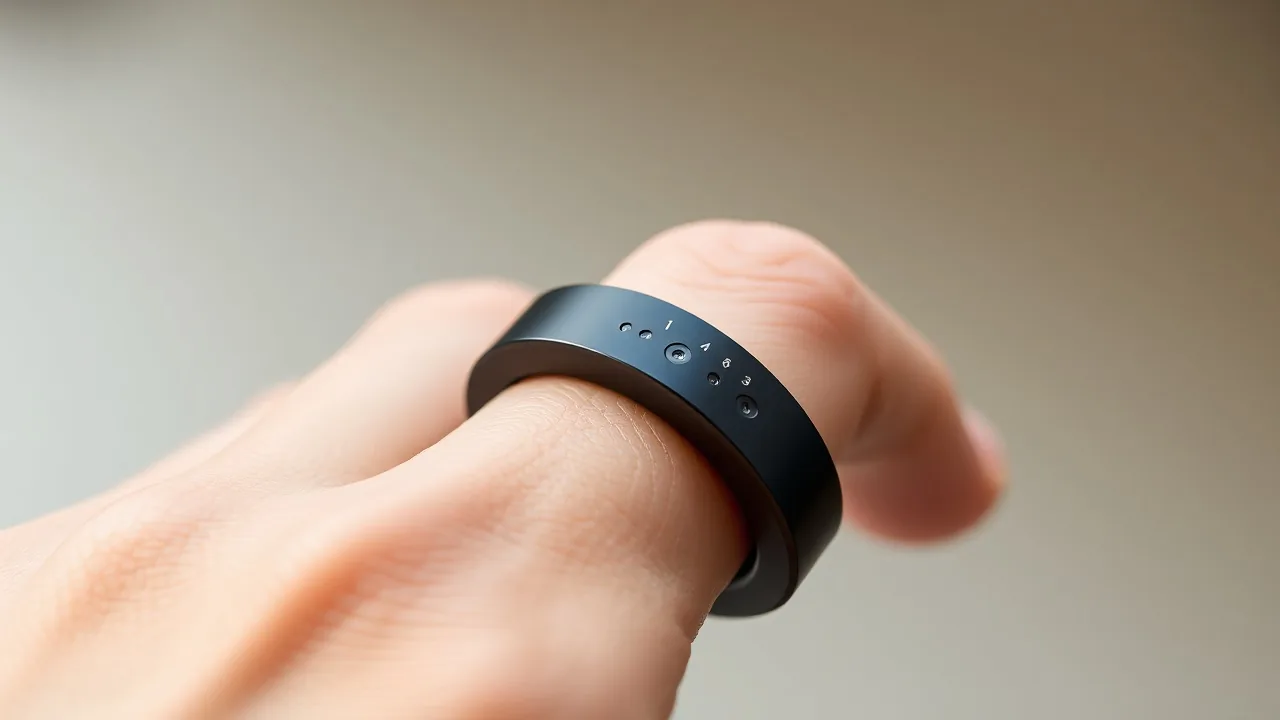
Oura Health released the Oura Ring 5 in early 2026, marking the most significant hardware overhaul in the smart ring line since its 2021 debut. The new model features a refined titanium chassis, improved infrared LED sensors, and a redesigned battery architecture that extends daily wear time to over 7 days per charge.
The fifth generation incorporates a 40% increase in sensor density compared to Ring 4, with nine biometric sensors now packed into the band. This upgrade allows the device to capture heart rate variability, skin temperature, blood oxygen levels, and movement data with measurably greater precision than its predecessor.
"We spent two years optimizing the optics and thermal imaging on the Oura Ring 5," said Petri Laine, Vice President of Hardware at Oura Health, in a statement released in March 2026. "The result is sensor readings that users will notice in their daily sleep and activity reports."
Design and Build Quality
Smart ring durability was a central focus of the Ring 5 redesign. The new model weighs 4.3 grams, making it 200 milligrams lighter than Ring 4, while the titanium casing now uses a proprietary ceramic coating that resists scratches and daily wear better than previous finishes.
The band comes in five color options, with a new matte black finish and polished rose gold variant joining returning platinum and stealth options. Size options remain consistent with prior generations: US ring sizes 6 through 13 fit the available form factors.
Battery placement was repositioned lower in the band to improve weight distribution. Oura reports this change reduces the sensation of imbalance during side sleeping, a complaint that appeared in 30% of Ring 4 user surveys from 2024 and 2025.
Sensor Technology and Health Tracking Gains
Sensor technology improvements directly impact how the ring interprets biometric data. The new infrared LED array uses 660-nanometer and 940-nanometer wavelengths with improved photodiode sensitivity, allowing the Ring 5 to detect heart rate changes as small as 2 beats per minute during sleep.
The device now tracks five distinct sleep stages instead of the previous three-stage model. This granular classification lets users see light sleep, deep sleep, REM sleep, and wake windows separately, rather than lumping N1 and N2 sleep under a generic "light" category.
Oura expanded its wearable tech feature set to include menstrual cycle prediction powered by improved skin temperature readings. The Ring 5 uses thermographic data from the band's contact surface to identify ovulation windows with 91% accuracy in beta testing conducted across 2,400 users in 2025 and early 2026.
- Heart rate variability tracking with 2 BPM sensitivity improvements
- Nine total biometric sensors versus six in Ring 4
- Seven-day battery life, up from five days
- Menstrual cycle prediction with 91% accuracy
- Temperature-based stress and illness detection alerts
- Improved activity recognition for 50+ exercise types
Recovery metrics received a complete recalibration. The algorithm that calculates daily readiness now weighs stress and inflammation data twice as heavily as activity metrics, reflecting feedback from the Oura community during the 18-month development cycle.
Software, Pricing, and Market Position
Gadget review sites have praised the Ring 5's software integration. The companion mobile app received a redesign that surfaces sleep stage breakdowns and circadian rhythm data immediately upon waking, eliminating the previous 15-minute sync delay that frustrated users.
Pricing for the Oura Ring 5 starts at $349 for the base titanium model, a $50 increase over the Ring 4 launch price. Oura discontinued the Ring 4 from its direct store in April 2026, though third-party retailers still sell inventory.
The company maintains its $5.99-per-month membership requirement for full feature access. Subscribers gain trend analysis, AI-powered coaching, and weekly reports. A free tier offers basic sleep and activity data without coaching or trend analysis.
Industry analysts expect the Ring 5 to capture an additional 18-22% of the smart ring market share by December 2026. Competitor devices from Samsung, Amazon, and other manufacturers have not yet matched Oura's sensor density or sleep-stage granularity, giving the Ring 5 a six-month technology lead.
The Ring 5 launch positions Oura as the category leader in hardware innovation within consumer health monitoring. With nearly 1.2 million active Ring users reported by March 2026, the company's fifth-generation device reinforces its market dominance in wearable health technology.