
Samsung Galaxy Z Flip8 May Feature Dual Chip Options: Exynos and Snapdragon
Samsung's upcoming Galaxy Z Flip8 might offer users a choice between Exynos and Snapdragon processors, depending on their region. This dual-chip strategy could be influenced by chip costs.

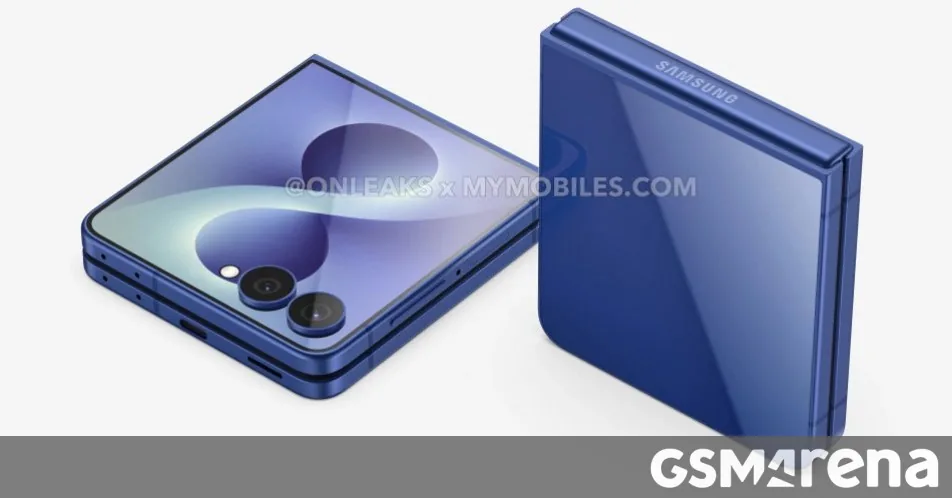
The next iteration of Samsung's popular foldable smartphone, the Galaxy Z Flip8, is reportedly set to adopt a dual-chip strategy, offering users processors from both Samsung's own Exynos line and Qualcomm's Snapdragon series. This decision, if finalized, would allow the company to tailor performance and potentially manage costs across different global markets. The Exynos 2600 is rumored to be one of the options, alongside Qualcomm's anticipated Snapdragon 8 Elite Gen 5.
Samsung has historically employed regional chip variations in its flagship devices, a practice that has seen both praise and criticism from consumers. In the case of the Galaxy Z Flip8, early indications suggest that North America may receive the Snapdragon-powered variant, a common trend based on past releases. The exact distribution for other regions remains to be seen.
Chip Cost and Strategic Decisions
A significant factor influencing Samsung's potential dual-chip approach appears to be the cost of the Exynos 2600. Reports suggest that this particular Samsung-designed chip is proving to be expensive to produce. Simultaneously, Qualcomm is said to have presented a competitive pricing offer for its Snapdragon processors, making it an economically attractive option for Samsung. This negotiation dynamic could be a key driver behind the decision to integrate both chipsets into the Galaxy Z Flip8 lineup, aiming for a balance between cutting-edge performance and efficient manufacturing.
While the internal specifications are a major focus, the external design of the Samsung Galaxy Z Flip8 is also subject to speculation. Leaked information points towards a device that could be both thinner and lighter than its predecessor, the Galaxy Z Flip7. However, advancements in camera technology for the upcoming model are not heavily indicated, suggesting that the camera hardware might remain largely consistent with previous generations. This focus on a refined form factor, coupled with the potential for diverse processing power, could define the Z Flip8's market appeal.
The foldable smartphone market continues to evolve rapidly, with manufacturers striving to balance innovative features, user experience, and production costs. The implementation of a dual-chip strategy by Samsung for the Galaxy Z Flip8 reflects these industry pressures. By offering different silicon options, Samsung aims to optimize the user experience based on regional preferences and potentially mitigate supply chain risks. The ultimate success of this strategy will depend on the performance parity between the two chipsets and how effectively Samsung communicates these choices to its consumer base.