
Samsung Galaxy Z Fold 8 Price: Competitors Could Undercut New Foldable
Samsung's upcoming Galaxy Z Fold 8 may see price increases on higher storage models. Competitors like Apple's rumored iPhone Fold and Google's Pixel 11 Pro Fold could offer more competitive pricing.

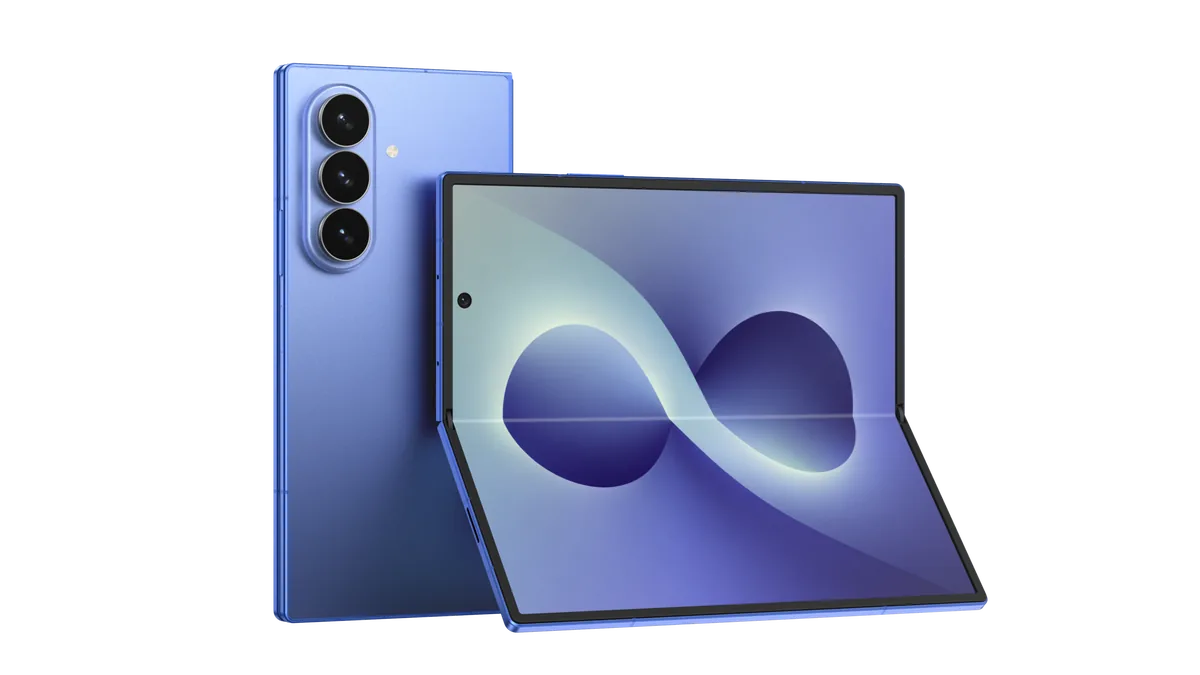
Samsung's next-generation foldable flagship, the Galaxy Z Fold 8, is slated for an announcement in June 2026, and early whispers suggest potential shifts in its pricing structure. While the base model's cost might remain stable, higher storage configurations could see an increase, mirroring recent price adjustments Samsung made to its Galaxy Z Fold 7 models. The 512 GB version increased from $2,119 to $2,199, and the 1 TB option rose from $2,419 to $2,499, an $80 hike for both, implemented without a formal announcement.
This subtle price adjustment hints at what consumers might expect for the Fold 8. Since the Galaxy Z Fold 5 in 2023, Samsung has progressively increased the prices of its premium foldables, a trend that shows no sign of abating. Although Samsung has the prerogative to adjust prices based on market conditions and component costs, the quiet nature of these hikes has drawn attention.
Competitive Landscape Heats Up
The foldable smartphone market is becoming increasingly dynamic with the anticipated entry of major players. Apple is rumored to be developing its first foldable iPhone, potentially dubbed the iPhone Ultra, which is expected to significantly impact the market. Initial price rumors for the foldable iPhone suggested a premium exceeding Samsung's offerings, but more recent speculation points to a price range comparable to the Galaxy Z Fold series. If Apple's 1 TB model is priced at $2,399, as some rumors suggest, it would be cheaper than Samsung's top-tier Fold 8, a move that would be uncharacteristic for Apple and could pressure Samsung.
Meanwhile, Google's Pixel foldable line also presents a competitive challenge. The Pixel 10 Pro Fold launched with prices starting at $1,799, and while specific pricing for the upcoming Pixel 11 Pro Fold is yet to be confirmed, it's unlikely to deviate drastically from its predecessor. Even with a potential modest increase, the Pixel 11 Pro Fold could start around $1,899, making it a more accessible option compared to Samsung's flagship.
Adding another layer to Samsung's strategy, reports indicate the potential release of a wider variant, the Galaxy Z Fold 8 Wide. This model is rumored to be positioned between $1,799 and $1,999 for its base 256 GB configuration. Its broader form factor, resembling a small tablet when open, could appeal to consumers seeking a different foldable experience and might serve as a more budget-friendly alternative to the standard Fold 8, potentially capturing market share from rivals.
Foldable phones inherently carry a higher price tag due to their complex engineering and components. The consistent price increases by Samsung over the past few years, driven by factors such as demand for advanced AI computing components affecting memory chip prices, have made its premium foldables a significant investment. Consumers often opt for installment plans through carriers like AT&T, Verizon, and T-Mobile, or take advantage of carrier-specific deals, trade-in offers, and promotions during major shopping events to mitigate the high cost.
The value proposition of the Galaxy Z Fold 8 will ultimately depend on its features and the overall foldable market's direction. Rumors point to an improved, nearly creaseless display, a refined design, and a capable camera system featuring a 200 MP main sensor, alongside advanced AI capabilities powered by Gemini Intelligence. Despite these enhancements, the upgrade might appear incremental to some users compared to the Galaxy Z Fold 7. The battery and charging are expected to see improvements, but not revolutionary changes. Whether the Galaxy Z Fold 8 justifies its price will be a decision each consumer makes based on their individual needs and budget, especially in light of emerging competition from Apple and Google.