
Samsung Galaxy Z Fold 8 Faces New Rivalry Amidst Foldable Market Shakeup
Samsung's new Galaxy Z Fold 8 series launches with updated designs and features, signaling a competitive shift as Apple reportedly enters the foldable phone market.

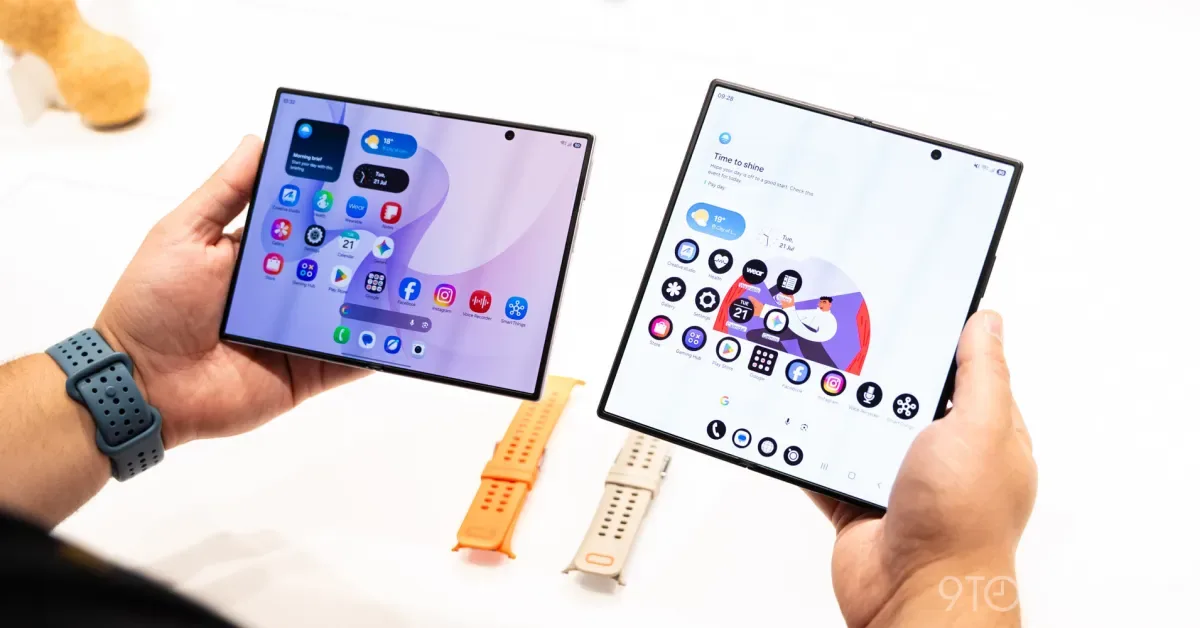
Samsung officially unveiled its latest foldable smartphone lineup, the Galaxy Z Fold 8 series, on July 26, 2026. The release comes at a pivotal moment for the company, as it faces increasing competition in the foldable segment, most notably from a rumored entry by Apple. The new Fold 8 devices boast a revised form factor and an "Ultra" branding option, an apparent strategic move by Samsung to assert dominance and capture market share ahead of Apple's anticipated debut.
For years, Samsung has held a near-monopoly in the premium foldable smartphone market, consistently iterating on its Galaxy Z Fold and Z Flip lines. However, this strategy has led to perceptions of stagnation within the category. The introduction of the new, sleeker shape for the standard Galaxy Z Fold 8, alongside the premium Fold 8 Ultra, aims to inject fresh excitement. "Does Apple make one?" has become a common question for foldable phone owners, highlighting the immense public interest and the potential for Apple to significantly impact the market, drawing in consumers who may have never considered an Android device.
The company's product strategy with the Fold 8 series appears designed to preemptively position Samsung as the originator of the superior foldable design. By designating the existing, taller display as the "Ultra" variant and presenting the new, refined shape as the standard, Samsung seems to be rewriting the narrative to favor its latest evolution. This approach positions the company as having been correct from the outset, a sentiment echoed by industry observers who note that many Android manufacturers appear to be awaiting Apple's move before innovating themselves.
New Designs and Technological Advancements
Beyond the structural changes, Samsung's Unpacked event also revealed other key updates across its product ecosystem. The Galaxy Z Flip 8, Galaxy Watch 9, and Watch Ultra 2 were also announced, running on a stable release of Android 17. These devices feature technological advancements such as silicon-carbon batteries, promising improved longevity and performance. Samsung's foldable offerings in 2026 are also set to include anti-reflective displays, a significant improvement in addressing glare, and a substantially reduced display crease, making the folding experience more seamless. Furthermore, Samsung has made it easier to open and close its foldable devices, enhancing user durability and convenience.
The competitive landscape is heating up not just in phones but also in other emerging tech categories. Samsung and Google showcased their first-ever Android XR glasses, available in styles from Warby Parker and Gentle Monster. These devices promise a 9-hour battery life and feature a privacy light, similar to that on Meta's Ray-Ban smart glasses, intended to address concerns about user privacy. This marks a significant step for Google and Samsung in the augmented and virtual reality space, aiming to avoid the pitfalls experienced by competitors.
The foldable market's evolution is closely watched, especially with the looming presence of Apple. While Samsung has a substantial head start, the industry has seen various attempts and setbacks from companies like OPPO and Google with similar designs. The success of the Galaxy Z Fold 8 series will be a crucial test of Samsung's ability to maintain its leadership and innovate in a rapidly changing technological environment. Industry analysts are keen to see how these new form factors and features perform in the market, particularly against the backdrop of potential new entrants.