
Samsung Security Policy Update Enhances Device Protection
Samsung is rolling out a rare Security Policy update for its Galaxy devices, enhancing background protection against new threats. The update targets Samsung's SE for Android framework to strengthen device security.

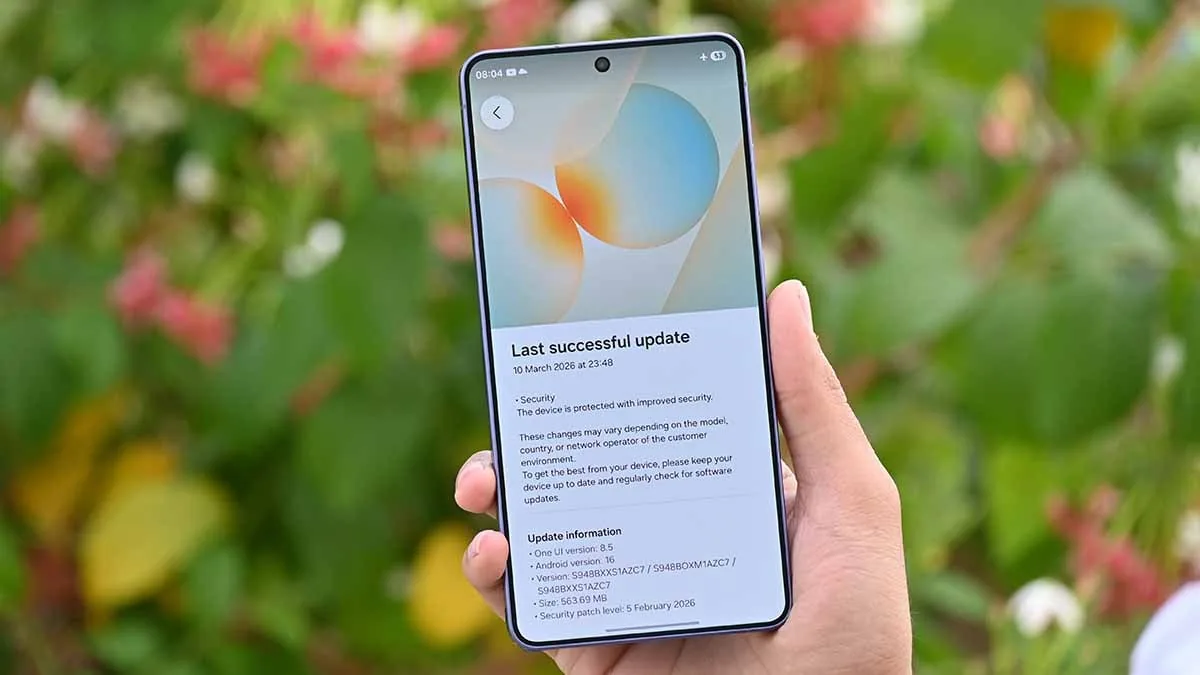
Samsung devices, including popular Galaxy S smartphones and Galaxy Tab tablets, are currently receiving a less common Security Policy update in South Korea. This background refresh aims to bolster device protection against emerging cyber threats without requiring users to install a full firmware package.
The update is specifically tied to Samsung's SE for Android (Samsung Enhanced) security framework. This system operates discreetly to fortify device security between major software releases. According to official descriptions, these updated policy files are designed to safeguard device data and can be deployed rapidly as new threats are identified, allowing Samsung to respond more quickly than through traditional firmware updates.
While these Security Policy updates typically do not introduce visible changes or new features, they are a critical component of Samsung's layered security approach. This ecosystem includes robust features like Samsung Knox, real-time threat detection, and dedicated app protection services, all working in concert to maintain user data integrity.
Broader Security Initiatives
Samsung recently detailed its comprehensive May 2026 security patch, which addresses a total of 39 identified vulnerabilities. The company has demonstrated an aggressive pace with software updates this month, particularly as the stable One UI 8.5 rollout progresses. This latest One UI version began expanding to a wider range of Galaxy devices on May 6, initially in its home market of South Korea, with a global rollout planned thereafter.
The integration of Security Policy updates, Google Play System updates, and individual Galaxy app patches allows Samsung to react with increased agility to potential vulnerabilities and malware risks. This multi-faceted update strategy circumvents the need for users to wait for complete One UI update cycles, offering more immediate security enhancements.
In parallel, Samsung has also begun distributing May 2026 firmware updates for its latest premium earbuds, the Galaxy Buds 3 Pro and Galaxy Buds 4 Pro. These updates, while small in size, often serve as foundational builds for long-term device stability. The Galaxy Buds 3 Pro update, firmware version R630XXU0AZD2, mentions the application of "stabilization code related to terminal operation." The Galaxy Buds 4 Pro is also receiving its first significant post-launch firmware update, version R640XXU0AZD2, across parts of Europe, focusing on refinement.
Separately, Samsung has removed three Galaxy phone models from its May 2026 software update support list, indicating the end of their update lifecycle. The budget-friendly Galaxy A13, mid-range Galaxy A23 LTE, and Galaxy M33 5G are no longer eligible for regular software updates. This marks a shift in the update schedule for these specific devices, as Samsung continues to manage its software support commitments.
The May 2026 security patch specifically addresses 29 Android Common Vulnerabilities and Exposures (CVEs) and 10 One UI Specific Vulnerabilities and Exposures (SVEs). The rollout of this patch, however, may experience some delays due to the ongoing deployment of the One UI 8.5 update, which commenced on May 6 for devices including the Galaxy S25 series and Z Fold 7.
In a significant move for augmented reality, Samsung is rolling out a new firmware update for its Galaxy XR headset to address a critical memory leak. This issue, which had been causing stuttering and performance degradation, is now being targeted by update version I610UEU2AZD8. The patch focuses on system stability and performance improvements, directly responding to user feedback and the confirmation from Google's XR community team.
The memory leak led to various problems, including dropped frame rates, unreliable tracking, and increased thermal activity. While the changelog for this specific patch is not detailed, its intent is clear: to restore a smooth and reliable user experience. Initial community feedback indicates that tracking issues have been resolved, and overall responsiveness has improved, although some users are reporting new concerns related to Virtual Desktop functionality.
Meanwhile, the US market is seeing new firmware updates for the Galaxy S26 series and Z Fold 7. These updates, dated April 2026, are rolling out incrementally, with specific build versions like AZDI for the S26 series and AZD3 for the Fold 7. The S26 Ultra's update, in particular, appears to include enhancements for its camera system, potentially improving the performance of its 24-megapixel sensor.
Samsung is also actively preparing for the One UI 9 Beta Program, with the first beta build recently surfacing for US models, signaling that a broader invitation for US users is imminent. This continuous stream of updates across hardware and software underscores Samsung's commitment to maintaining device performance and security.