
Samsung's New XR Glasses Integrate With Galaxy Phones & Watches
Samsung is teasing new details about its upcoming Android XR glasses, emphasizing deep integration with its Galaxy smartphone and watch ecosystem. The company aims for a 'reasonable' but premium price point.

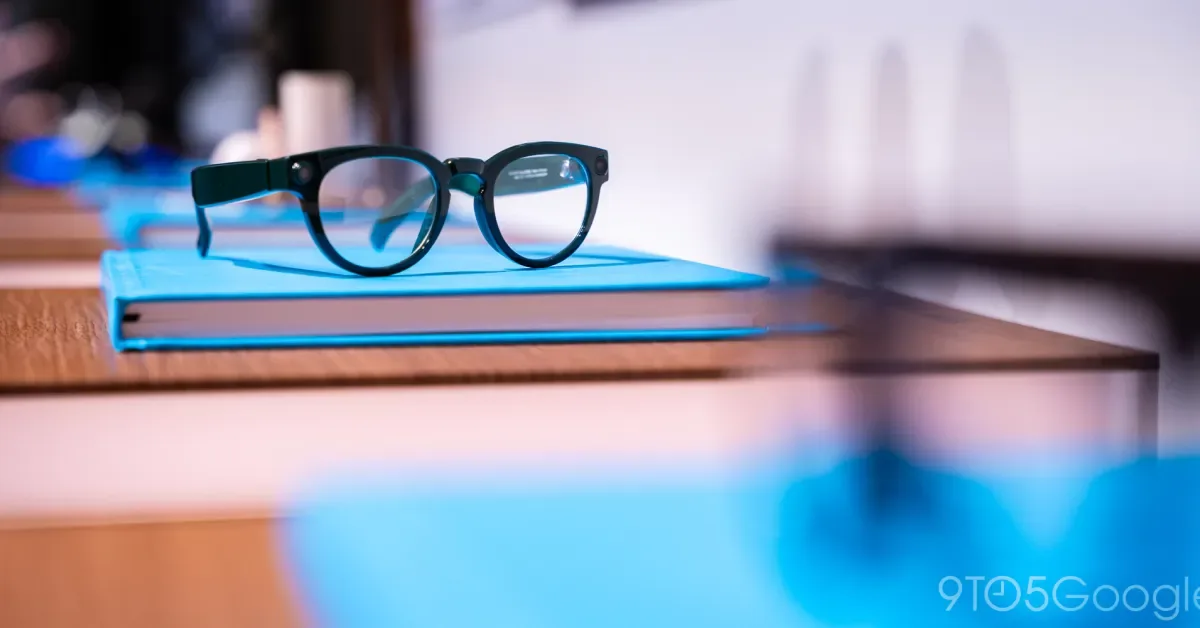
Samsung is offering a closer look at its upcoming Android XR glasses, highlighting seamless integration with its existing Galaxy device ecosystem. Following a partial reveal at its Unpacked event last week, the South Korean tech giant detailed plans for its first foray into smart glasses, emphasizing their connection to smartphones rather than acting as a standalone device. The company stated the glasses are designed as an "extension of the experience centered on the smartphone," differentiating them from competitors who focus on post-smartphone functionality.
Key integrations demonstrated include using gestures on a Galaxy Watch to control the XR glasses, and viewing photos captured by the glasses directly within phone notifications. Samsung also indicated that the glasses would prioritize audio output to its Galaxy Buds, further cementing their place within the Galaxy family. These devices are being built to the same durability and reliability standards as Samsung's popular Galaxy smartphones, with a design focus on being lighter and more comfortable than current market alternatives.
Pricing and Privacy Considerations
While Samsung has yet to announce a specific price, the company has indicated a target of a "reasonable level" that falls within the "premium range." This pricing strategy positions the glasses above entry-level options, with Meta's latest smart glasses starting at $299. Samsung also addressed privacy concerns, noting that the glasses will automatically disable recording features if the privacy light is covered or if the device is not being worn.
The development of these XR glasses represents a significant move by Samsung into the augmented reality space, a field increasingly populated by major technology players. The company's strategy appears to be leveraging its strong existing hardware and software ecosystem to attract users who are already invested in the Samsung brand. By focusing on integration, Samsung aims to overcome some of the adoption hurdles faced by new wearable technologies, making the glasses a natural addition to a user's daily digital life.
Samsung and Google are collaborating on the Android XR platform, signaling a concerted effort to establish a strong foothold in the emerging market. This partnership could lead to a more cohesive and feature-rich augmented reality experience for users across various Android devices. The success of Samsung's glasses may hinge on their ability to deliver compelling use cases that go beyond simple notification displays or camera functionalities, convincing consumers of the value proposition of this new form factor.
The release of Samsung's first Android XR glasses is anticipated later this year. The company's commitment to integrating these wearables with its established product lines suggests a long-term vision for augmented reality within its broader consumer electronics strategy. The emphasis on a comfortable, lightweight design, coupled with robust smartphone integration and a premium-leaning price point, aims to appeal to a discerning consumer base ready to embrace the next wave of personal technology.