
Sony's Xperia 1 VIII Phone Boasts Larger Camera Sensors and AI Assistant
Sony's new Xperia 1 VIII flagship phone introduces larger camera sensors for improved low-light photography and an AI Camera Assistant to optimize settings. It also features a redesigned camera layout and retains a 3.5mm audio jack.

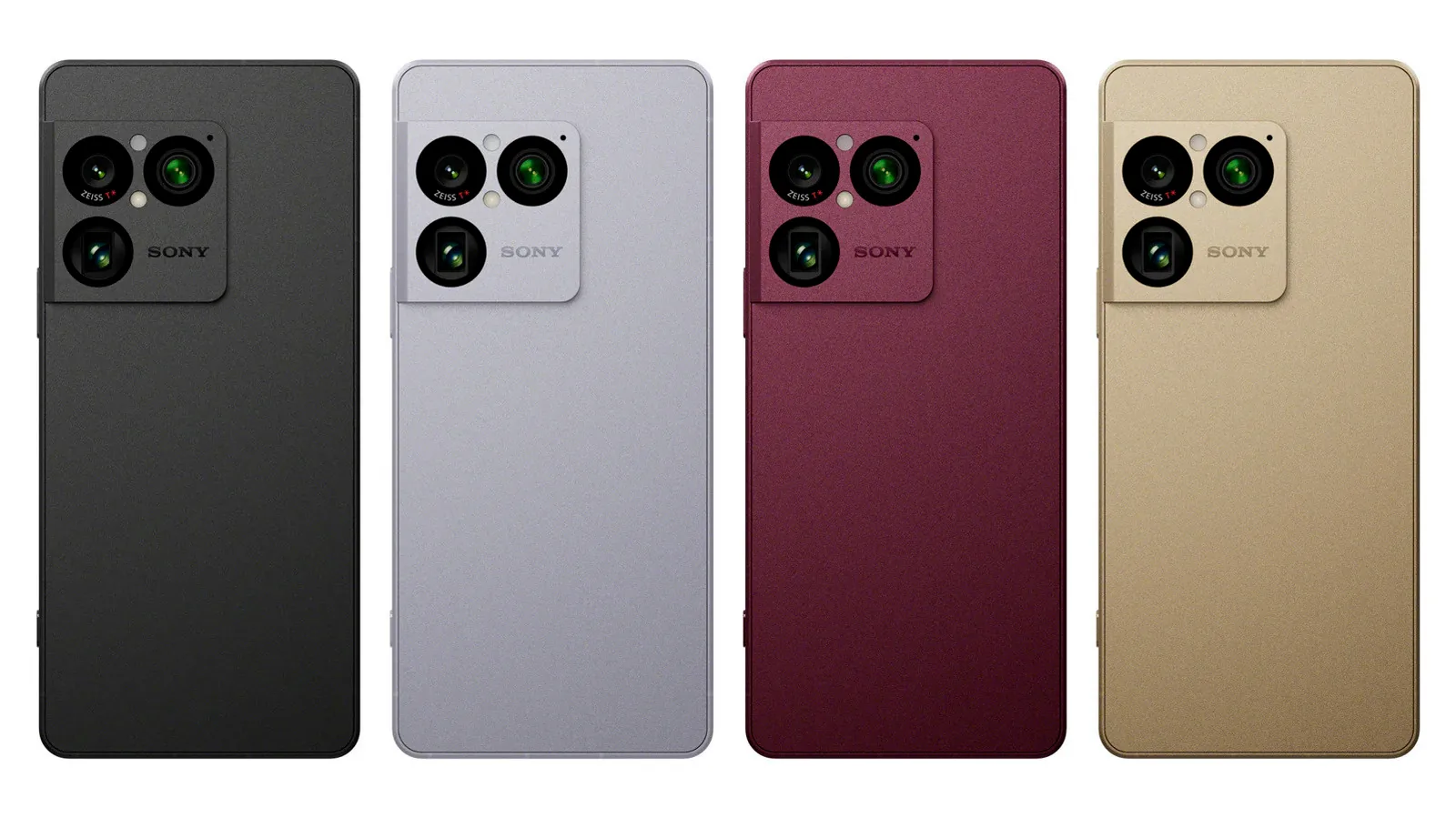
Sony has unveiled its latest flagship smartphone, the Xperia 1 VIII, placing a significant emphasis on photographic enhancements. The device introduces a new AI Camera Assistant, powered by Xperia Intelligence, designed to intelligently suggest camera setting adjustments based on the subject, scene, and environmental conditions. This assistant aims to guide users toward optimal color tones, lens choices, and bokeh effects by recognizing what is being photographed.
A key hardware upgrade is the new 1/1.56-inch image sensor for the telephoto camera, which Sony states is approximately four times larger than its predecessor. This larger sensor is designed to capture more detailed images, particularly in challenging low-light environments. The phone employs RAW multi-frame processing, HDR, and noise reduction techniques to further enhance night photography. Visually, the rear cameras have been reconfigured into a square arrangement, a departure from the previous vertical layout. A 12-megapixel camera is included on the front for selfies.
Photography Upgrades and Design Changes
Beyond the enhanced image sensor and AI assistant, the Xperia 1 VIII continues Sony's commitment to the audiophile with the inclusion of a 3.5mm audio jack, a feature increasingly rare on modern high-end smartphones. This allows for the use of wired headphones without requiring an adapter. The phone's design sees the rear camera modules consolidated into a neat square formation, contributing to a refined aesthetic. The front fascia accommodates a 12-megapixel camera for self-portraits and video calls.
The AI Camera Assistant represents Sony's latest effort to integrate artificial intelligence into the mobile photography experience. By analyzing scene data in real-time, the system proposes adjustments, such as recommending specific lens types or simulating bokeh effects, which users can then choose to apply. This feature aims to democratize high-quality photography, making it more accessible even for users who may not be familiar with manual camera settings. The integration of advanced processing techniques like RAW multi-frame processing underscores the device's focus on delivering superior image quality across a range of conditions.
The inclusion of a larger sensor in the telephoto lens is a substantial hardware improvement. This hardware advancement, combined with sophisticated software processing, is expected to yield a noticeable difference in image clarity, dynamic range, and noise levels, especially when shooting in dimly lit scenarios. Sony's continued dedication to providing features appealing to photographers, such as advanced image stabilization and manual control options (though not detailed in this initial announcement), positions the Xperia line as a strong contender in the premium smartphone market for creative professionals and enthusiasts alike. The Xperia 1 VIII aims to strike a balance between cutting-edge technology and user-friendly features, all wrapped in a redesigned package.