
Apple's New iPhone Leasing Program Restricts Apps on Missed Payments
Apple is reportedly launching a new leasing program for iPhones and other devices. A key feature would allow remote disabling of most apps if payments are missed, leaving only essential functions available.

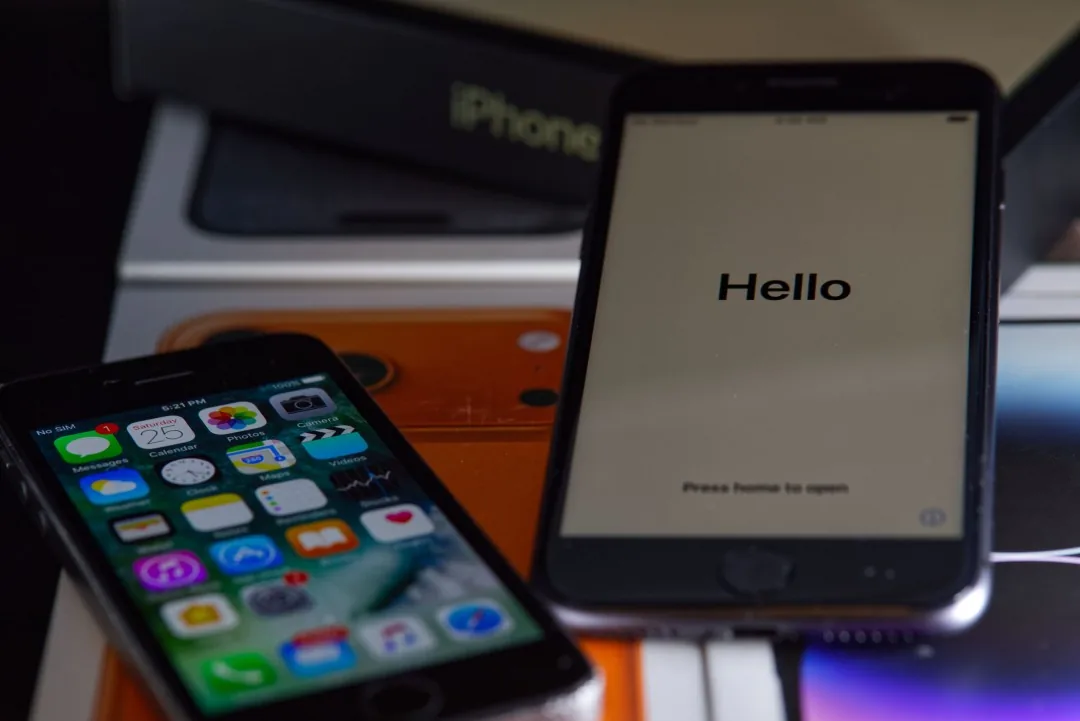
Apple is gearing up to introduce a new device leasing program, tentatively named Apple Upgrade, that could significantly alter the ownership experience for its popular iPhone, Mac, iPad, and Apple Watch models. Set to launch on July 28, the program, detailed by sources speaking to Bloomberg and further analyzed by 9to5Mac, includes a notable stipulation: devices can be remotely restricted to a limited set of essential applications if users fall behind on payments.
The forthcoming program, which will reportedly be managed by the digital payment company Klarna, is designed to function more akin to a car lease than a traditional purchase or financing agreement. Under this new structure, customers will have the flexibility to pay off their devices early. However, a significant feature highlighted by code found in the latest iOS 27 beta suggests a new system called "App Managed Features." This system would empower Apple or its lending partners to remotely disable nearly all applications on a device experiencing payment delinquency.
Remote Restrictions and Limited Functionality
In the event of missed payments, devices could enter a "Restricted" mode, allowing only nine core applications to remain functional. These essential apps would include the Phone, Wallet, Clock, Settings, Health, Passwords, Magnifier, Accessibility Reader, and the App Store. This drastic measure effectively transforms a feature-rich smartphone into a significantly limited device, prompting comparisons to an automaker disabling critical vehicle functions for non-payment.
Further complicating matters, reports indicate that app subscriptions would continue to be billed even if the associated applications are rendered unusable due to the restricted mode. Safeguards are also reportedly in place to prevent users from bypassing these restrictions by attempting factory resets or reselling the locked-down device. Similar remote control capabilities are anticipated for Macs participating in the leasing program. This approach starkly contrasts with previous financing options offered by Apple, which often included benefits like AppleCare tech support and device replacement for accidental damage. Under the new Apple Upgrade program, these support services will not be extended to leasing customers.
The introduction of Apple Upgrade comes on the heels of other significant financial adjustments for Apple consumers. The company recently implemented price increases for its iPads and MacBooks, adding another layer of cost consideration for those looking to acquire new hardware. The leasing model, particularly with the remote disabling feature, introduces a new dynamic to device acquisition, emphasizing continuous payment adherence over outright ownership. This move could reshape how consumers approach purchasing expensive electronics, potentially prioritizing ongoing service accessibility over immediate possession. The inclusion of Klarna as a partner also signals Apple's strategy to leverage specialized financial service providers for its hardware offerings, streamlining the payment and lending processes.
This leasing program and its stringent payment enforcement features represent a significant shift in Apple's strategy for device accessibility. By incorporating remote management capabilities, Apple is positioning its hardware less as a one-time purchase and more as a service contingent on ongoing payments. This model aligns with broader industry trends where subscription-based services and financing options are becoming increasingly prevalent. For consumers, this means a greater need to manage monthly payments diligently to maintain full access to their devices. The long-term implications for consumer trust and device lifecycle management remain to be seen as this new program rolls out.