
Google Health 5.0 Arrives on Android with New Stats Widget
Google Health 5.0 is rolling out to Android devices, bringing a new Quick Access Widget to the homescreen. This update removes Fitbit branding and introduces a more customizable stats display.

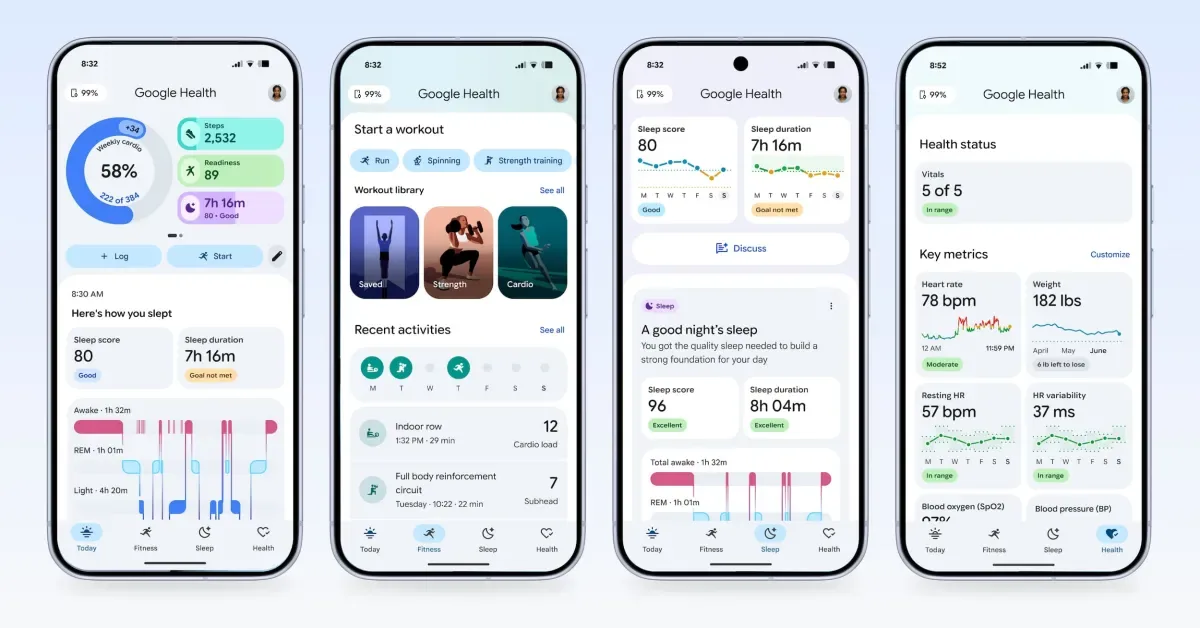
Google Health 5.0 has begun its rollout to Android devices, updating the Fitbit app with a suite of new features, chief among them a redesigned homescreen widget. This new Quick Access Widget replaces the previous circular Steps widget, offering users a more dynamic and customizable way to view their health statistics directly from their device's homescreen.
The widget is designed to mirror the focus section found at the top of the Today tab within the app, allowing users to select and display up to six key metrics. The maximum homescreen layout supports a 5x3 grid, and users can opt for a more compact interface by removing the Steps or Weekly cardio ring. Tapping any of the displayed stats directs the user to the full statistics page within the Google Health app. For users who prefer an even more streamlined view, the widget can be shrunk to show just a single statistic. The interface also features quick access to the app's core functions, with the heart icon in the top-left corner opening the main application, and options to jump to the Health Coach or refresh data located on the right.
A New Look and Feel
Beyond the new homescreen functionality, Google Health 5.0 introduces a fresh visual identity by adopting the new Google Health icon and significantly reducing Fitbit branding. This strategic shift signifies that Fitbit branding will now be primarily reserved for the company's hardware devices. The update also mandates Version 5.0 as a requirement for setting up the upcoming Fitbit Air, which is slated for launch next week. The phased rollout for Google Health 5.0 on Android commenced on May 19, with full availability expected by May 26.
This evolution from Fitbit to Google Health reflects a broader trend in the tech industry, where companies are consolidating their health and wellness platforms under a unified, AI-driven umbrella. By integrating these services, Google aims to provide a more comprehensive and personalized health experience for its users. The move also allows for deeper integration with other Google services, potentially unlocking new insights and capabilities through advanced data analysis. The focus on a customizable widget underscores the company's commitment to user-centric design, allowing individuals to prioritize the health metrics that matter most to them.
The introduction of the Quick Access Widget is particularly noteworthy for users who rely on consistent tracking of daily activity, sleep patterns, and heart rate. The ability to see these key performance indicators at a glance without needing to fully open the application streamlines the user experience and encourages more consistent engagement with health tracking. As digital health platforms become increasingly sophisticated, features like these are crucial for maintaining user adherence and motivation in achieving personal wellness goals.