
Google Unveils Googlebook AI Laptop: A New Chapter for ChromeOS
Google announced the new Googlebook, an AI-first laptop platform designed around Gemini and Android integration. The move aims to revitalize the ChromeOS market.

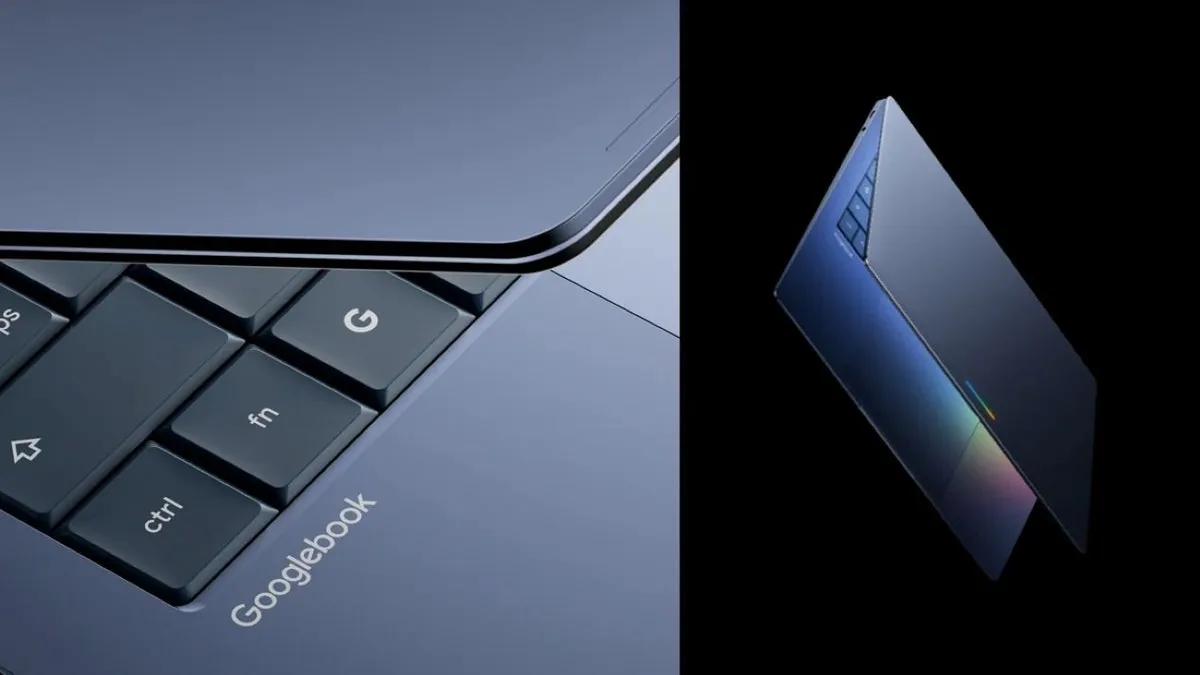
Google officially unveiled its new laptop platform, the Googlebook, on Tuesday, ushering in a new era for its ChromeOS operating system. This AI-first device is engineered to deeply integrate Google's Gemini AI model and existing Android applications, signaling a significant push to re-energize the market for Chromebooks.
The announcement comes as Google seeks to overcome challenges in convincing consumers to adopt its current Chromebook offerings. The Googlebook aims to differentiate itself by providing a more robust and intelligent user experience, leveraging AI capabilities that go beyond traditional laptop functionalities. This strategic shift positions the Googlebook as a potentially pivotal product in Google's hardware and software ecosystem.
AI Integration and Core Features
At the core of the Googlebook's appeal is its emphasis on artificial intelligence, powered by Google's advanced Gemini models. The platform is designed to offer predictive assistance, enhanced productivity tools, and a more personalized user interaction. Furthermore, the seamless integration of Android apps is expected to broaden the software library available to users, providing a more versatile computing experience that bridges the gap between mobile and desktop environments.
During the announcement, Google executives highlighted the potential for the Googlebook to redefine daily computing tasks for a wide range of users, from students to professionals. "We envision the Googlebook as more than just a laptop; it's an intelligent companion designed to adapt to your needs and make your digital life simpler and more efficient," stated one spokesperson for the company. The device promises enhanced performance, improved battery life, and advanced security features, all while maintaining the affordability often associated with the ChromeOS ecosystem.
The strategy behind the Googlebook appears to be a direct response to the evolving demands of the tech landscape, where AI capabilities are increasingly becoming a standard expectation. By focusing on AI and a richer app ecosystem, Google is attempting to create a compelling alternative to established laptop lines from competitors like Apple and Microsoft, which have also been investing heavily in AI integration within their own product lines.
The introduction of the Googlebook marks a significant moment for ChromeOS, which has historically struggled to gain significant market share compared to Windows and macOS. With this new platform, Google is betting on AI and enhanced software compatibility to attract a new wave of users and potentially revitalize interest in its operating system. The success of the Googlebook will likely depend on its ability to deliver on its AI promises and provide a user experience that genuinely stands out in a competitive market.