
Lenovo's Affordable Googlebook Challenges PC Market
Lenovo is launching its first Googlebook, a new line of laptops designed to compete with Windows and Mac devices. Priced lower than anticipated, these Snapdragon-powered machines aim to offer a compelling alternative.

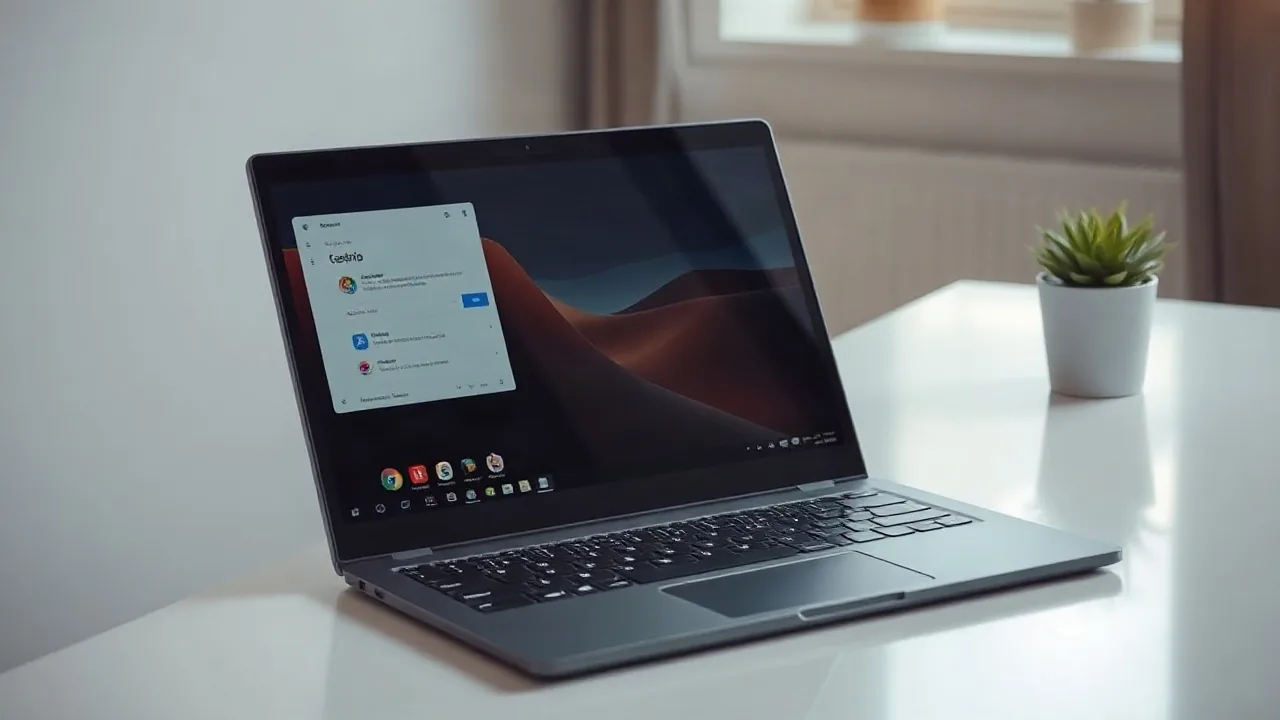
Lenovo has officially entered the Chromebook competitor space with its highly anticipated Googlebook, a new line of laptops powered by Qualcomm's Snapdragon processors. The devices are poised to challenge the dominance of Windows and macOS in the personal computing market, offering a potentially more affordable and integrated ecosystem experience. Early reports indicate Lenovo's entry undercuts expectations for pricing, aiming to attract a broader range of consumers.
The Googlebook initiative, backed by Google, represents a significant push to expand ChromeOS beyond traditional Chromebooks and into a more premium and versatile computing category. By partnering with manufacturers like Lenovo, Google aims to leverage established hardware expertise to create devices that are not only capable but also competitively priced. The use of Snapdragon chips suggests a focus on power efficiency and seamless integration with Android applications, a key selling point for users already invested in the Google ecosystem.
New Laptop Category Emerges
The introduction of the Googlebook signifies Google's broader strategy to consolidate its software and hardware offerings, similar to Apple's approach with macOS and its own silicon. This move allows for greater control over the user experience, from hardware design to software optimization. Lenovo's involvement suggests a strong market presence and manufacturing capability, crucial for scaling the new product line. Industry analysts are watching closely to see if this new category can carve out a significant market share against established players like Dell, HP, and Apple.
Details surrounding the initial Googlebook models remain somewhat scarce, but expectations point towards a range of configurations catering to different user needs. The emphasis on Snapdragon processors suggests devices optimized for long battery life and swift performance for everyday tasks, web browsing, and running Android apps. This could appeal to students, mobile professionals, and casual users seeking a straightforward and reliable computing experience that is less resource-intensive than traditional Windows machines.
The competitive landscape for laptops remains fierce, with manufacturers constantly innovating to capture consumer attention. Lenovo, a major player in the PC market, brings its extensive distribution network and brand recognition to the Googlebook platform. This partnership is expected to give the new laptops a significant launch advantage. The success of the Googlebook could hinge on its ability to deliver a polished user experience, robust performance, and a compelling price point, especially as consumers become more discerning about their technology investments.