
MacBook Neo Spurs Microsoft Windows 11 RAM Efficiency Push
Apple's value-focused MacBook Neo is reportedly pushing Microsoft to improve Windows 11's RAM efficiency, particularly for 8GB systems, according to industry analysis.

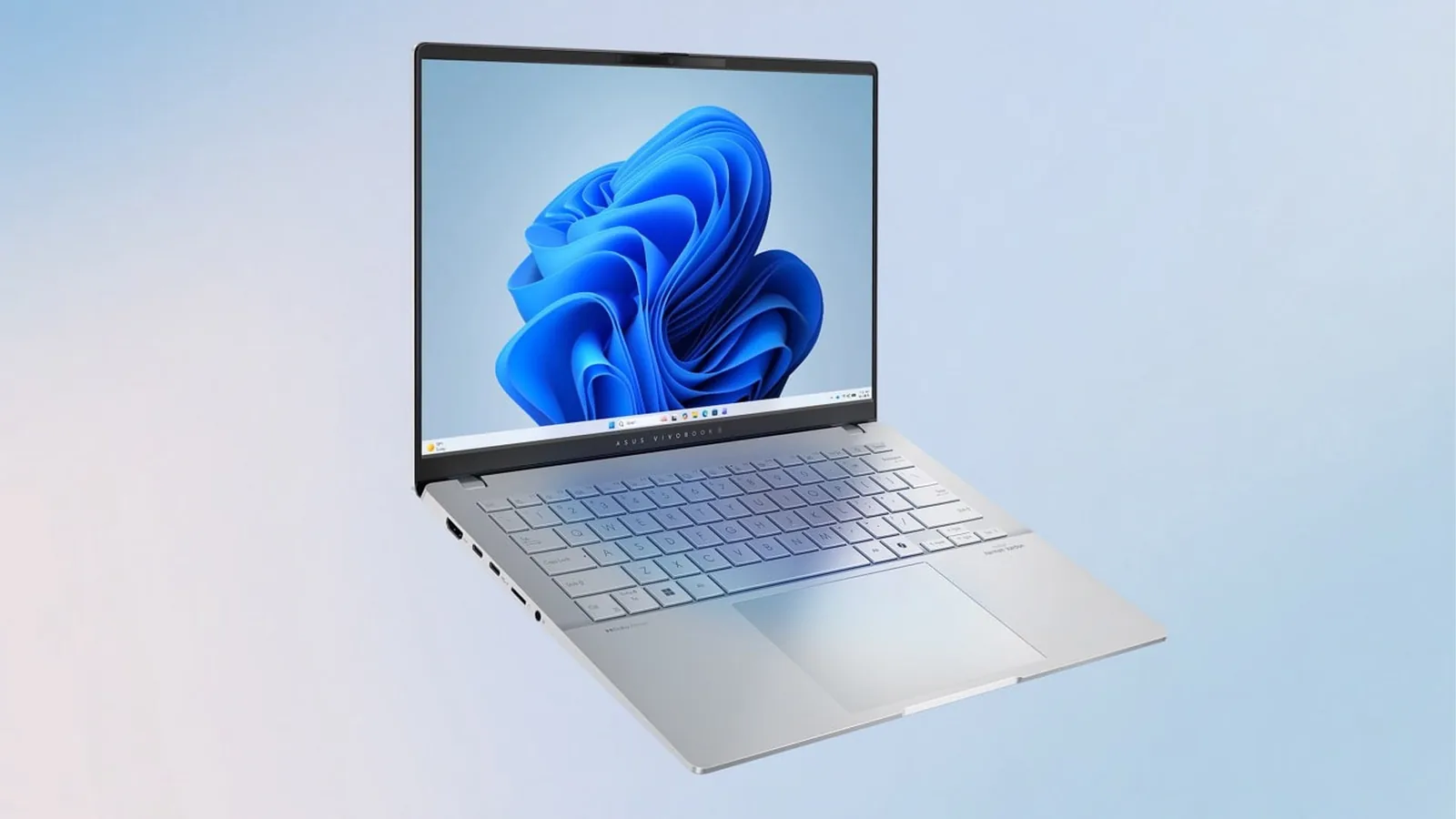
Microsoft is intensifying efforts to make Windows 11 more efficient with limited RAM, a move analysts suggest is significantly influenced by the competitive pressure from Apple's MacBook Neo. While a global DRAM shortage has also contributed to the push for better memory management, particularly for systems equipped with only 8GB of RAM, the introduction of Apple's budget-friendly laptop is seen as a pivotal factor.
The MacBook Neo, priced around $688.49 on retail sites like Amazon, is being recognized for its ability to handle 8GB of unified RAM without the performance stutters common on Windows 11 machines with similar specifications. This has put pressure not only on Microsoft but also on the broader PC industry to innovate and adapt.
Competitive Landscape and OS Efficiency
Jitesh Ubrani, IDC Research Manager, stated that the MacBook Neo's aggressive pricing and performance have created a significant challenge for the entire PC ecosystem. "The introduction of the MacBook Neo is putting real pressure on the entire PC ecosystem," Ubrani said. "We expect vendors to respond with a combination of new silicon, a more efficient OS from Microsoft, and aggressive promotional pricing." This suggests a multi-pronged strategy from PC manufacturers and software developers to counter Apple's impact.
Historically, Windows laptops with 8GB of RAM have struggled with memory management, often consuming a large percentage of available memory even without running applications. For instance, a Dell XPS 13 with 8GB of RAM reportedly uses 70 percent of its memory before any programs are launched. In contrast, the MacBook Neo has demonstrated remarkable memory handling capabilities, with tests showing it can simultaneously run up to 60 applications without significant performance degradation. This stark contrast highlights the efficiency gap that Microsoft is now aiming to close.
The competition intensifies as PC manufacturers not only look to introduce faster processors but also rely on Microsoft to optimize Windows 11. This is crucial for ensuring that their hardware remains competitive, especially in the mid-range and budget segments where the MacBook Neo is making significant inroads. Microsoft's focus on improving the operating system's efficiency is therefore a critical component in maintaining the health and competitiveness of the Windows 11 platform against increasingly capable Apple hardware.
The ongoing demand for components, exacerbated by AI advancements consuming significant RAM resources, adds another layer of complexity. However, the MacBook Neo's success with a modest RAM configuration suggests that software optimization can go a long way. It underscores the importance of efficient operating systems, especially as hardware prices continue to fluctuate and consumers seek greater value. Microsoft's commitment to ensuring Windows 11 runs smoothly on 8GB RAM machines is seen as a necessary step to retain market share and fulfill its promise of a seamless user experience across a wide range of devices.