
Unreal Engine 6 Preview Nears with Rocket League's Upcoming Upgrade
Epic Games has signaled a potential earlier-than-expected arrival for Unreal Engine 6, with Rocket League set to be the first title to leverage the new engine. This points to significant advancements in game development workflows.

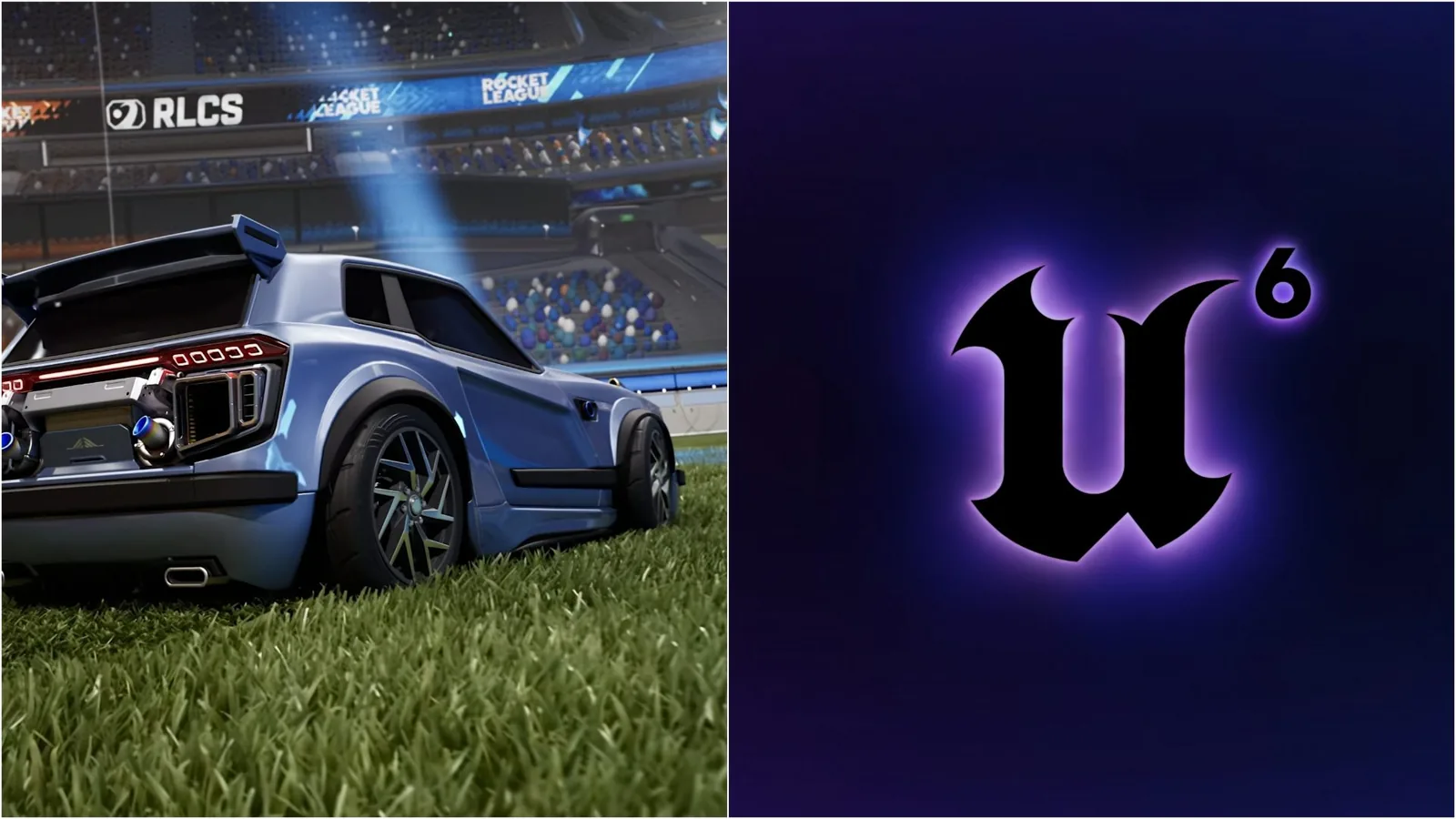
Epic Games has provided a glimpse into the future of its powerful game development engine, with the popular title Rocket League slated to be the first game to utilize the upcoming Unreal Engine 6. The announcement came during the Rocket League Championship Series 2026 held in Paris, though specifics regarding the engine's features or release window remain scarce. This reveal, however, suggests that preview versions of UE6 might be closer than anticipated, potentially arriving as early as 2027.
Epic Games president Tim Sweeney previously indicated in May 2025 that Unreal Engine 6 was still several years out, with preview builds expected in two to three years. He also outlined a major goal for UE6: to unify Epic's diverse development tools and finally overcome the engine's persistent challenge with single-threaded simulation bottlenecks by embracing multithreaded game simulation. Sweeney envisioned UE6 not just as a visual upgrade, but as a unifying platform that bridges the gap between Unreal Engine and Fortnite's creator ecosystem, enabling a shared foundation for both AAA games and user-generated content. The integration of Verse as a core gameplay programming layer is central to this vision, with UE6 serving as the convergence point for current UE5 and UEFN workflows.
Addressing Technical Friction in Game Development
The overarching objective for Unreal Engine 6 is to streamline the development process for creators and eliminate long-standing technical hurdles, particularly in areas of simulation and concurrency. This means developers will have an engine where gameplay systems can be updated and combined with greater ease and safety, reducing the need for them to manually manage complex threading issues. This focus on concurrency is crucial for modern game development, which often involves intricate systems running simultaneously. For instance, managing physics, AI, networking, and rendering all at once requires robust multithreading capabilities.
The development history of Unreal Engine 5 offers a potential timeline for UE6's eventual rollout. Epic Games unveiled Unreal Engine 5 in May 2020, followed by the first Early Access build in May 2021, and a full release in April 2022. This roughly 23-month period from initial reveal to production readiness provides a benchmark for what developers might expect for UE6. If the Rocket League reveal signals an accelerated development pace, preview versions could indeed be available in the near future, allowing developers to begin experimenting with its new capabilities.
The implications of Unreal Engine 6 extend beyond graphical fidelity. By focusing on unifying workflows and improving simulation performance, Epic aims to empower a broader range of creators. This includes not only large game studios but also independent developers and content creators who utilize tools like the Unreal Editor for Fortnite (UEFN). The engine's future development could foster a more integrated and accessible creation environment, making it easier to build complex and dynamic game experiences. The continued evolution of Unreal Engine 6 promises to shape the landscape of interactive entertainment for years to come.