
Blue Origin Advances Private Space Travel with New Rocket Plans
Blue Origin is pushing forward with expanded commercial spaceflight capabilities, unveiling new developments in suborbital and orbital vehicle technology as competition heats up in the private space travel sector.

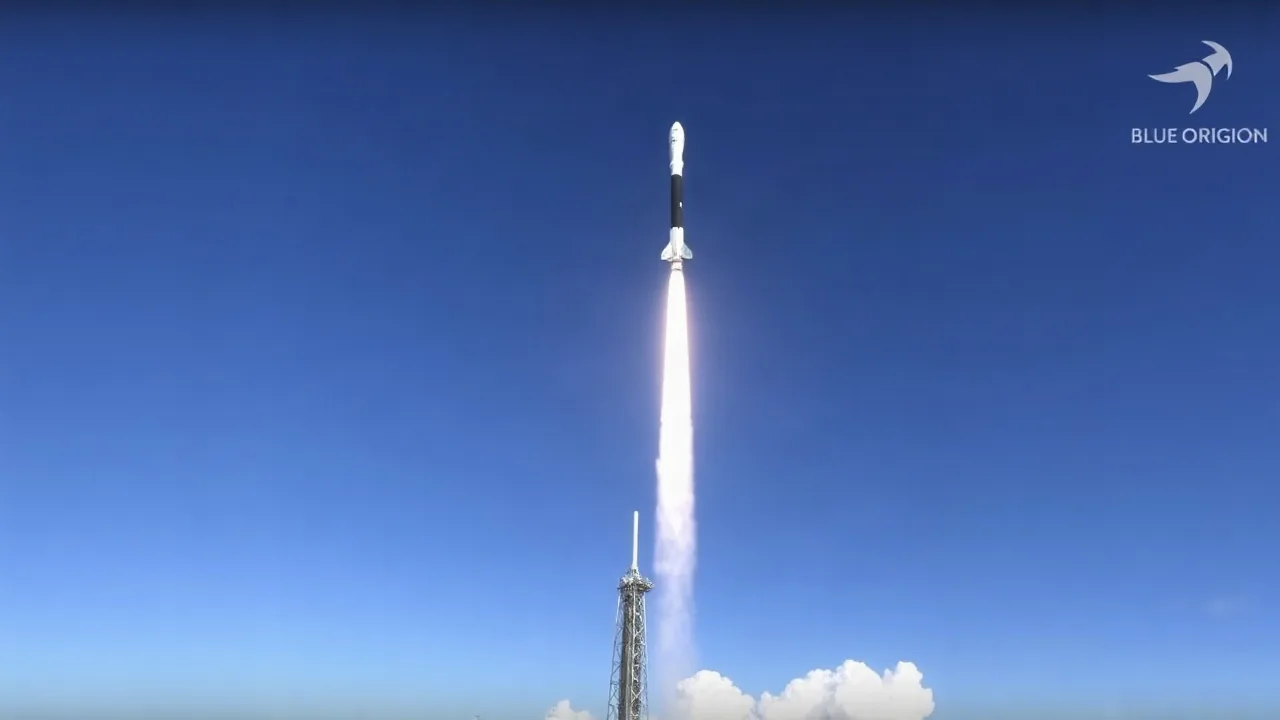
Blue Origin announced significant progress on its next-generation space vehicles during the third quarter of 2026, signaling the company's commitment to scaling private space travel beyond its established New Shepard program. The company, founded by Jeff Bezos in 2000, continues to refine its approach to commercial spaceflight with a focus on both suborbital tourism and orbital logistics.
The aerospace firm has been conducting regular test flights and infrastructure upgrades at its launch facilities in West Texas and Florida. These investments position Blue Origin to compete directly with other commercial operators entering the burgeoning space tourism market.
The New Shepard Legacy and Evolution
New Shepard, Blue Origin's signature suborbital flight vehicle, has carried more than 700 passengers to the edge of space since its first crewed flight in July 2021. The vehicle reaches the Karman line at 62 miles altitude, providing approximately three minutes of weightlessness and a view of Earth's curvature.
"Our reusable suborbital system continues to demonstrate the reliability and safety standards required for commercial operations," stated a Blue Origin spokesperson in an official company statement. The company has maintained a strong safety record across all flights, with no passenger incidents reported since commercial operations began.
Throughout 2026, Blue Origin has focused on optimizing turnaround times between flights and expanding its passenger capacity. The company reports having seats available for customers at premium prices, with demand remaining strong among wealthy adventure-seekers and corporate clients seeking executive experiences.
Orbital Ambitions and the New Glenn Program
Beyond suborbital tourism, Blue Origin is developing aerospace innovation through its New Glenn heavy-lift launch vehicle, designed to compete in the commercial satellite and national security launch markets. New Glenn, currently in advanced development, aims to lift 45 metric tons to geosynchronous orbit.
The company has secured major contracts with the U.S. Space Force and national defense agencies, providing financial stability for its development timeline. Blue Origin also supplies engines to United Launch Alliance, a partnership that diversifies revenue streams beyond tourism and commercial launches.
In September 2026, Blue Origin completed critical test articles for New Glenn's flight hardware. The company anticipates initial orbital test flights within the next 18 to 24 months, pending regulatory approval from the Federal Aviation Administration.
Blue Origin's infrastructure expansion includes construction of a new launch complex at Cape Canaveral Space Force Station in Florida, dedicated exclusively to New Glenn operations. This facility will support high-cadence launch schedules once the vehicle enters service.
The Competitive Landscape and Market Position
Space tourism has transitioned from speculative venture to operational industry. Blue Origin competes directly with Virgin Galactic, which uses a spaceplane approach, and Axiom Space, which offers orbital experiences aboard commercial space stations.
Market research firms estimate the global space tourism sector could generate revenues exceeding $4 billion annually by 2030 if current passenger demand continues. Blue Origin's pricing strategy positions New Shepard flights at the premium end, targeting high-net-worth individuals and corporate buyers rather than pursuing mass-market accessibility.
The company's regulatory compliance record remains spotless. The FAA has renewed Blue Origin's commercial space transportation licenses without restriction, reflecting the agency's confidence in the company's safety protocols and operational procedures.
Blue Origin also manufactures rocket engines for other launch providers, creating additional revenue diversification. Its BE-4 engines power United Launch Alliance's Atlas V and Vulcan rockets, contracts worth billions over their service lives.
Looking forward, Blue Origin's strategy emphasizes reliability, safety, and customer experience. The company invests heavily in ground infrastructure, personnel training, and vehicle redundancy systems that exceed industry standards. These commitments position Blue Origin as a serious player in the emerging commercial space sector, not just in tourism but across multiple market segments where reliable access to space remains the critical competitive advantage.