
Boeing Selected as Sole US Astronaut Transport Provider
Boeing's Starliner spacecraft will become the exclusive U.S. provider for astronaut transportation to the International Space Station following a new NASA plan. This decision comes after a series of technical challenges and delays.

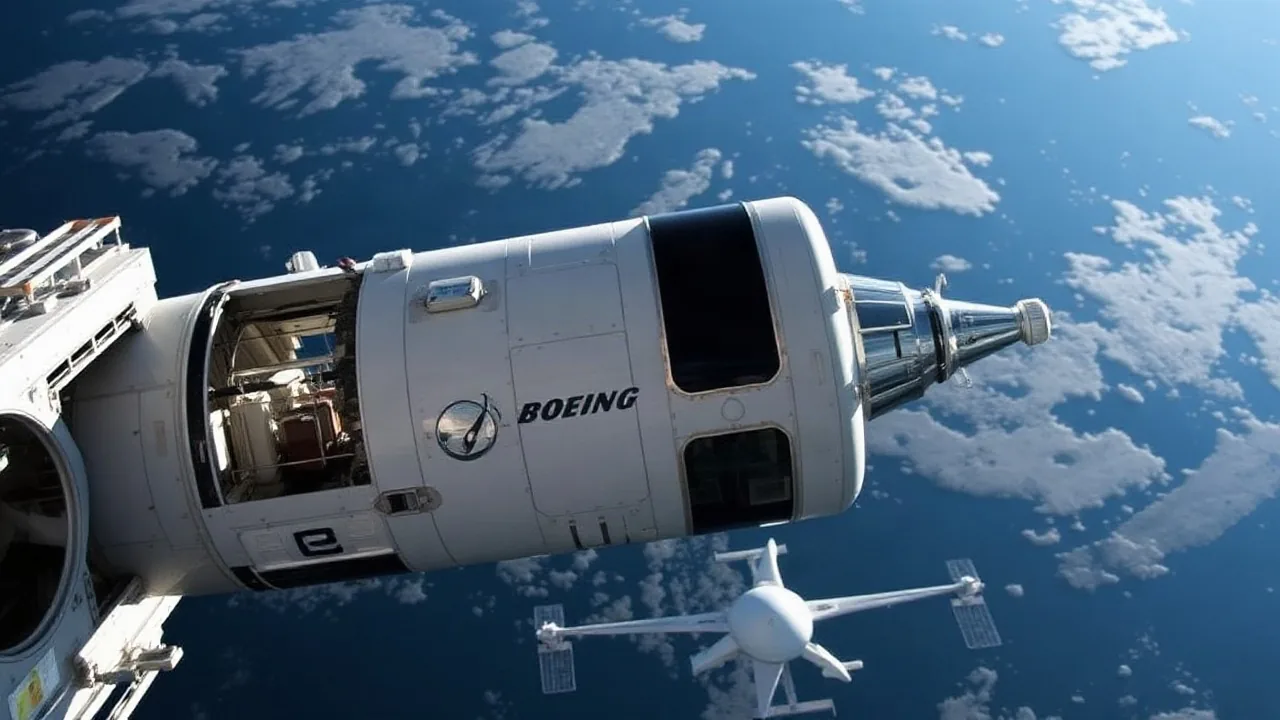
Boeing's Starliner spacecraft has been designated as the United States' sole provider for astronaut transportation to the International Space Station (ISS), NASA announced on September 29, 2026. This significant development positions Boeing to ferry astronauts to and from the orbiting laboratory, marking a crucial step in the company's long and often challenging space program. The announcement comes after a series of technical hurdles and delays that have impacted the Starliner's readiness for regular crewed missions.
The decision from NASA effectively solidifies Boeing's role in the Commercial Crew Program, a partnership aimed at developing private spacecraft for orbital missions. Despite persistent technical issues, including problems with the service module's propulsion system and capsule leaks, NASA officials have expressed confidence in the Starliner's eventual reliability. The agency highlighted Boeing's commitment and the progress made in addressing the spacecraft's anomalies as key factors in the decision.
Addressing Starliner's Technical Challenges
The path to this exclusive provider status has been far from smooth. Starliner's crewed flight test to the ISS in mid-2024 experienced significant issues, including helium leaks in the service module and thruster malfunctions. These problems forced the astronauts aboard to remain docked at the space station longer than planned before their return. In response, NASA mandated a series of uncrewed test flights and rigorous re-evaluations of the spacecraft's systems before approving it for routine crew rotation missions.
The agency revealed a new plan that includes an uncrewed test flight of the Starliner in late 2026, followed by its first official crewed mission under the new designation in early 2027. This phased approach is designed to ensure the safety and reliability of the spacecraft for its critical mission of transporting American astronauts. NASA officials stated that they are "incredibly excited" about Boeing's role in continuing American human spaceflight capabilities.
This designation also impacts the future of SpaceX's Crew Dragon, which has been the sole operational U.S. crew vehicle since its debut in 2020. While SpaceX will continue its existing contract for ISS missions, Starliner will gradually take over the bulk of the transportation duties. This strategic shift by NASA aims to foster redundancy and competition within the space transportation sector, ensuring continuous access to the ISS.
The development of Boeing's Starliner has been a multi-year endeavor, plagued by cost overruns and delays. Initially envisioned to launch alongside SpaceX's Dragon, Starliner has faced significant setbacks, including a failed uncrewed test flight in 2019 and the aforementioned issues during its first crewed test. The extensive review process and required fixes have pushed its operational debut back by several years.
NASA's commitment to Boeing's Starliner underscores the agency's strategy of utilizing multiple providers for critical spaceflight operations. Having two distinct American spacecraft capable of transporting crews to the ISS enhances mission flexibility and provides a crucial backup in case of unforeseen issues with either vehicle. This redundancy is vital for maintaining a consistent human presence in low Earth orbit and for supporting scientific research aboard the station.
Looking ahead, Boeing is focused on executing the upcoming uncrewed test flight flawlessly and preparing for its first official crewed mission. The company stated its teams are working diligently to implement all NASA-required modifications and to instill full confidence in the Starliner's safety and performance. The future of American human spaceflight to the ISS now rests significantly on the successful maturation of the Boeing Starliner program.