
Boeing Starliner Delays: New Rocket Needed for 2028 NASA Astronaut Missions
NASA has revealed that Boeing's Starliner spacecraft faces significant delays, potentially requiring a new rocket for its astronaut missions, now targeting 2028.

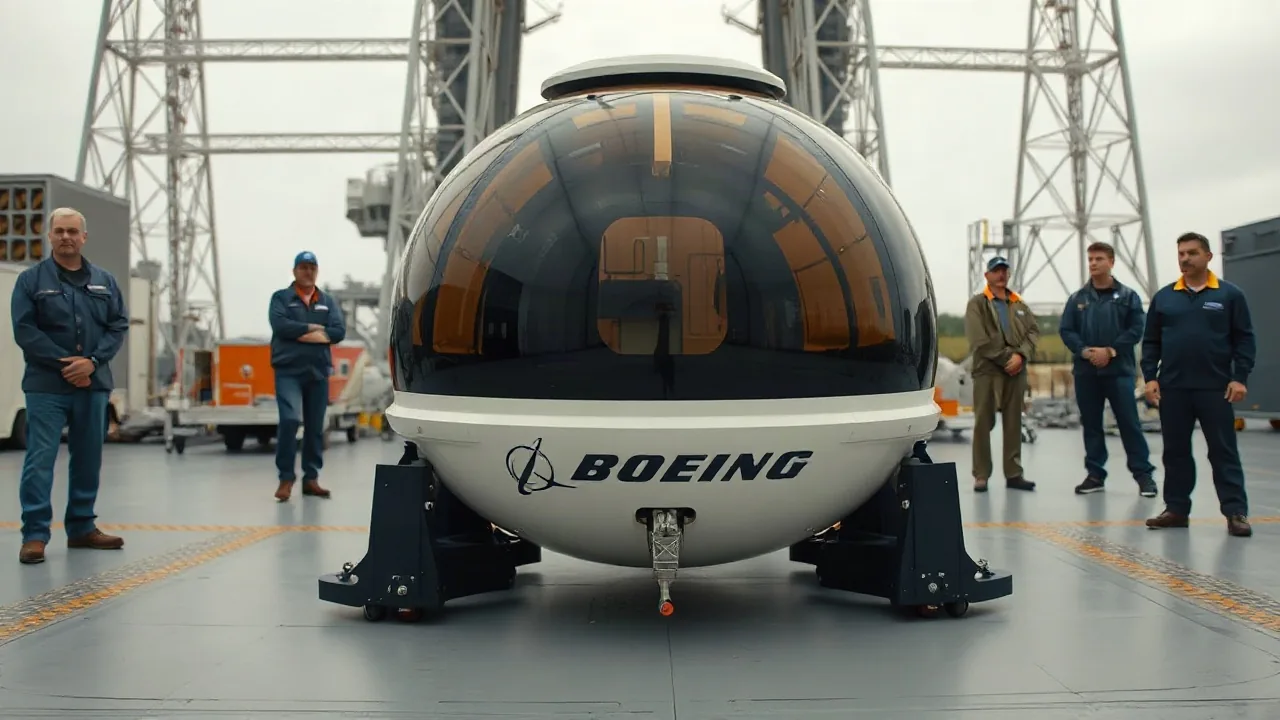
NASA officials have announced a revised timeline for Boeing's troubled Starliner spacecraft, pushing astronaut launch targets to 2028 and indicating the potential need for a new rocket. The announcement, made during a recent briefing, signals ongoing challenges with the capsule's development, impacting its role in ferrying astronauts to the International Space Station.
The agency outlined a revised plan that acknowledges the persistent technical hurdles plaguing the Starliner program. This revised strategy aims to ensure the safety and reliability of the spacecraft before it undertakes crewed missions. The projected 2028 launch date reflects a significant extension from earlier anticipated timelines, underscoring the complexity of certifying a new human-rated spacecraft for orbital operations.
Ongoing Technical Challenges
Boeing's Starliner has encountered a series of setbacks throughout its development, including issues with its propulsion system and parachute deployment. These challenges have led to multiple delays and increased scrutiny from both NASA and independent safety review boards. The company has been working to address these concerns, but the latest update suggests that further significant modifications or entirely new components might be necessary.
Specifically, NASA indicated that the existing rocket configuration might not be sufficient for future crewed flights, raising the possibility of a requirement for a new launch vehicle. This potential development adds another layer of complexity and cost to an already protracted and expensive program. The Starliner is intended to provide a second U.S. commercial capability for transporting astronauts to the space station, alongside SpaceX's Crew Dragon.
This delay has implications beyond just the Starliner program. NASA relies on these commercial crew vehicles to maintain a continuous U.S. presence on the International Space Station. Any significant disruption or delay in their operational readiness can affect crew rotation schedules and scientific research conducted aboard the orbiting laboratory. The agency emphasized its commitment to a rigorous safety standard, prioritizing astronaut well-being above all else.
Boeing has expressed its commitment to overcoming these challenges. "We are incredibly excited about the prospect of serving as the nation's only astronaut transportation provider, but we must ensure that every flight is as safe as possible," a Boeing spokesperson stated in a previous release, though not directly addressing the latest timeline. The company has invested billions into the Starliner program, aiming to prove its capabilities and secure its place in the future of human spaceflight.
The International Space Station, a collaborative project involving multiple space agencies, requires regular resupply and crew rotation. The success of programs like the Commercial Crew Program, managed by NASA, is vital for its continued operation. The delays with Boeing Starliner highlight the inherent risks and difficulties in developing new space technologies, especially those designed for human transport. NASA's meticulous approach, while frustrating for program timelines, is a testament to its unwavering dedication to astronaut safety. This situation also puts increased pressure on the ongoing development and operational status of other spacecraft intended for similar missions.
The agency is expected to provide more detailed technical specifications and program updates in the coming months. The focus remains on resolving the outstanding issues with Starliner and ensuring it meets all safety certification requirements before astronauts are placed on board. The pursuit of new launch vehicles or significant upgrades to existing ones underscores the dynamic and evolving nature of the space exploration industry. The current situation serves as a critical juncture for both Boeing and NASA, determining the future of commercial crewed spaceflight for the United States.