
Cold War Spy Satellite Explodes Over Earth, Debris Sparks Concern
A U.S. spy satellite from the Cold War era unexpectedly broke apart in orbit, creating hundreds of pieces of debris. The cause of the explosion remains unknown, raising concerns about potential collisions with other spacecraft.

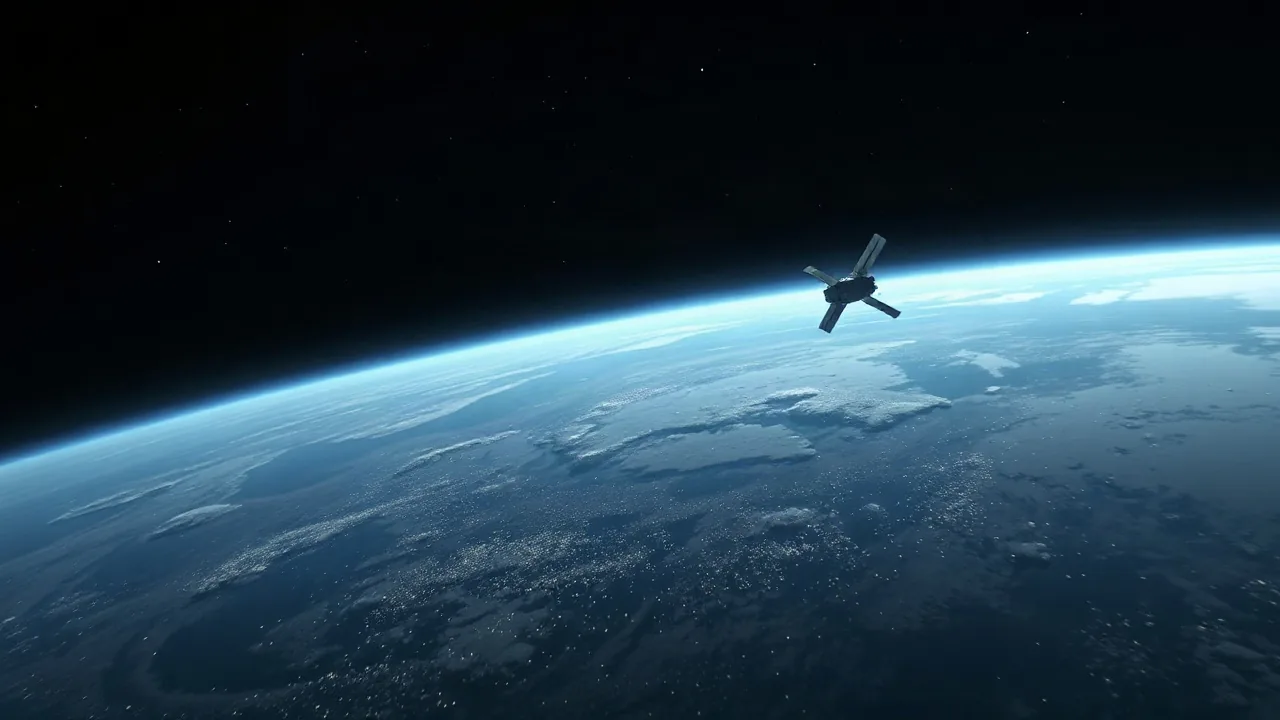
A United States spy satellite, designated USA 32 and dating back to the Cold War era, has unexpectedly fractured into hundreds of pieces approximately 775 kilometers (481 miles) above Earth. The incident, which occurred recently, has left space agencies and defense officials baffled, as the precise cause behind the satellite's disintegration remains unknown. The fragmentation of the aging satellite has generated significant concern within the space community due to the increased risk of collisions with operational satellites and the International Space Station.
This satellite, launched decades ago during a period of intense geopolitical tension, was part of the U.S. reconnaissance program designed to monitor Soviet activities. Its unexpected demise in orbit highlights the challenges of managing space debris, a growing problem that threatens the long-term sustainability of space exploration and utilization. While the exact number of fragments is still being assessed, preliminary estimates suggest hundreds of pieces of debris have been generated, each potentially posing a threat to active missions.
Collision Risks and Space Debris
The primary concern following the satellite's breakup is the potential for catastrophic collisions. The debris field is now orbiting Earth at high speeds, and even small fragments can cause significant damage to spacecraft. The space debris poses a particular threat to the International Space Station, which is crewed by astronauts, and to the growing number of commercial and scientific satellites that form the backbone of modern communication, navigation, and weather monitoring systems. Operators of these satellites are closely tracking the debris cloud to assess and mitigate potential risks to their assets. Efforts are underway to precisely map the trajectory of the fragments to provide early warnings and enable evasive maneuvers if necessary.
The lack of a clear explanation for the satellite's explosion adds another layer of complexity to the situation. While satellites can fail due to component malfunctions or collisions with smaller, untrackable debris, a sudden, explosive breakup often points to more significant internal issues or even, in some hypothetical scenarios, deliberate actions. However, officials have not indicated any evidence to suggest foul play, emphasizing the need for further investigation. The event underscores the fragility of the space environment and the imperative for responsible space stewardship. Understanding the cause could provide valuable lessons for the design and operation of future spacecraft, particularly those operating in long-term orbital missions.
This incident serves as a stark reminder of the thousands of defunct satellites and rocket stages that already litter Earth's orbit, a problem that has been accumulating for decades. Space agencies worldwide have been grappling with strategies to mitigate the growing volume of space junk, including developing technologies for debris removal and implementing stricter guidelines for satellite deorbiting. The United States, along with other space-faring nations, is part of ongoing international discussions aimed at establishing more robust protocols for ensuring the long-term safety and sustainability of the space environment. The legacy of the Cold War continues to cast a shadow, not just on geopolitical relations but also on the very skies above us.