
Deepest Whale Graveyard Found in Indian Ocean
Scientists have discovered the deepest and most extensive whale graveyard in the Indian Ocean, with fossils dating back over 5 million years. The site teems with life, showcasing adaptation in extreme environments.

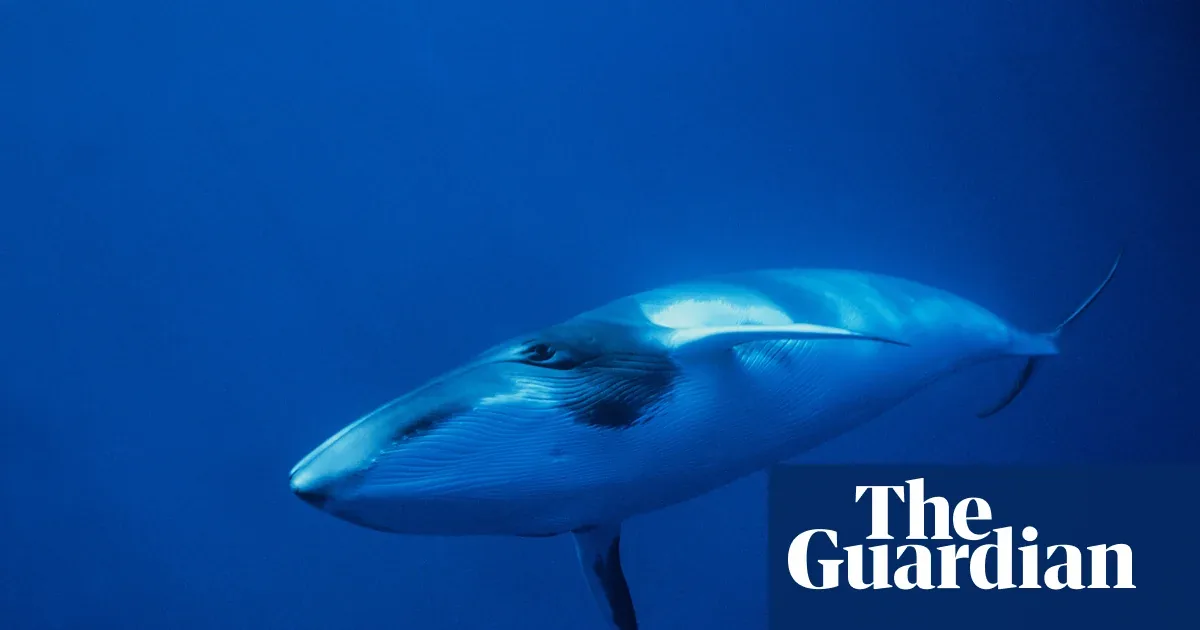
An extraordinary discovery has been made in the southeastern Indian Ocean: the deepest and most extensive whale graveyard ever found, with fossils stretching back more than 5 million years. Researchers explored trenches and ridges in the Diamantina fracture zone, uncovering nearly 800 whale skeletons per square kilometer, a find that challenges previous understandings of deep-sea ecosystems.
Whale falls, the term for deceased whales sinking to the ocean floor, are not uncommon, but typically occur at depths less than 4 kilometers (2.5 miles). This newly identified necropolis, however, plunges to depths exceeding 7 kilometers (over 4.3 miles) and spans hundreds of miles across the seabed. The research team, a collaboration between scientists from China, Italy, and New Zealand, utilized a submersible to conduct 32 dives, documenting 485 fossilized whale sites alongside five modern whale carcasses in advanced states of decomposition.
Dr. Giovanni Bianucci from the University of Pisa, a co-author of the study published in the journal Nature, highlighted the significance of the find. "This discovery demonstrates that these extreme and unexplored environments are home to species and ecosystems still unknown to science," Bianucci stated. "We are therefore still far from understanding the true biodiversity of our planet." He added that the graveyard offers insights into how life can adapt and evolve even in environments devoid of light and under immense pressure.
Life Thrives in the Abyss
The decaying whale carcasses are not barren but teeming with a diverse array of life. Researchers observed crustaceans, molluscs, bone-eating worms, and brittle stars, with many species potentially new to science. This vibrant ecosystem thriving in such an extreme habitat underscores the resilience and adaptability of life on Earth.
The study also provided crucial information on elusive creatures, including beaked whales. Among the fossilized remains was a skull from an extinct species of beaked whale named Pterocetus benguelae, dated to approximately 5.3 million years ago. Another fossilized skull from a newly identified species, christened Pterocetus diamantinae by the research team, was also recovered.
Jon Copley, a professor of ocean exploration and science communication at the University of Southampton, who was not involved in the research, described the discovery as "an exciting and rare find." He noted it as the world's deepest known colony of deep-sea animals associated with whale falls, and remarkable for the abundance of modern skeletons and fossils in one location. Copley likened these whale falls to island-like habitats for deep-sea fauna, similar to those found at hydrothermal vents, which feed on the decaying matter.
The sheer scale and composition of the graveyard present a compelling puzzle. The researchers suggest that the necropolis, aligned along a 1,200-kilometer (745-mile) northwest-southeast axis, could represent a previously unrecognized "whale-fall community supercorridor." This extensive alignment of deceased cetaceans may stem from the area being a significant migration route for filter-feeding species like the Antarctic minke whale, whose 5-meter skeleton was the largest carcass found. Simultaneously, the area might have drawn deep-diving hunter species, such as beaked whales, to pursue squid near the extreme depths of the Diamantina fracture zone, possibly pushing them to their physiological limits.
Stephen J. Godfrey of the Calvert Marine Museum in the U.S. reviewed the study, calling the graveyard "a truly unique discovery" that could lead to many more significant finds. He remarked that the research felt like a preview of an epic series, underscoring the profound scientific potential held within this Indian Ocean abyss.