
Earth's Oxygen Levels Linked to Plate Tectonics Shifts
A new study suggests Earth's oxygen-rich atmosphere may be deeply connected to the shifting dynamics of tectonic plate subduction, particularly changes in mantle temperature.

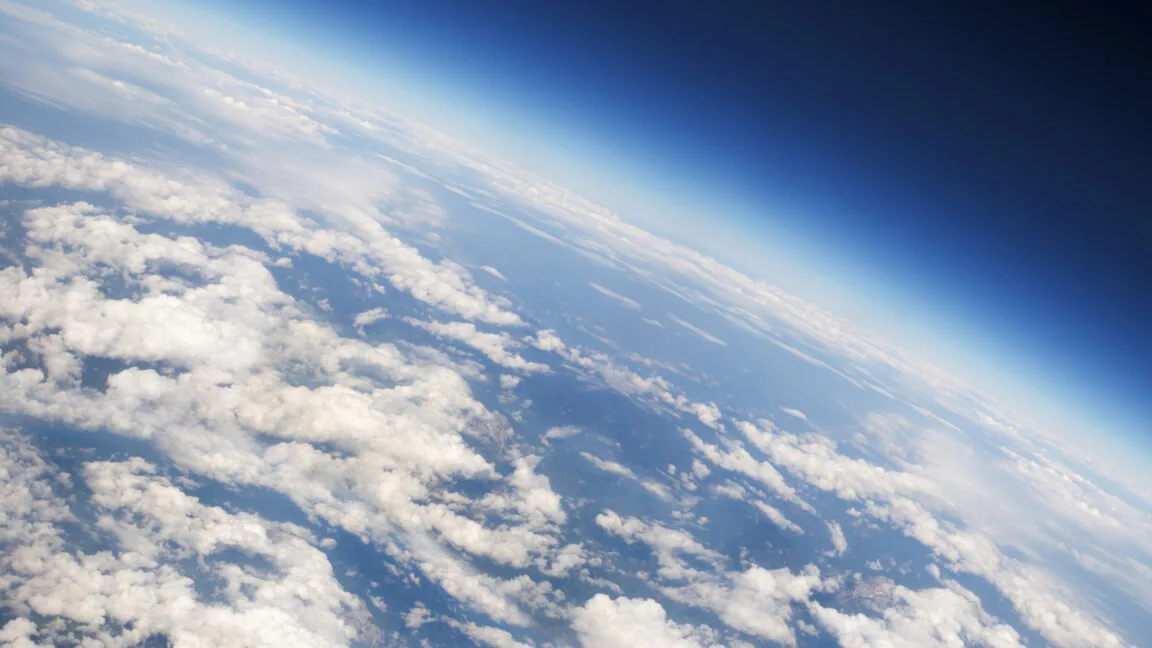
Scientists have long sought to understand the origins of Earth's oxygen-rich atmosphere, a crucial component for animal life. A recent study, led by researcher Wei Shi of the Chengdu University of Technology, posits a significant connection between the evolution of atmospheric oxygen and the long-term processes of plate tectonics, specifically the rate at which tectonic plates are subducted into the Earth's mantle. This research, published in PNAS, proposes that changes in subduction efficiency, influenced by Earth's cooling, played a key role in the planet's oxygenation timeline.
The Earth's atmosphere has not always been rich in oxygen. Major increases occurred in distinct phases: the Great Oxygenation Event roughly 2.4 to 2.0 billion years ago, a prolonged period of little change known as the "Boring Billion," followed by significant jumps between 800 and 500 million years ago, and a final increase from 450 to 250 million years ago that brought oxygen levels to their present state. The new hypothesis suggests these jumps correlate with shifts in how efficiently tectonic plates carried carbon and sulfur—elements that readily bond with oxygen—deep into the Earth's interior.
When the Earth's mantle is hotter, subducting plates tend to release carbon and sulfur in the shallow mantle, allowing them to return to the atmosphere through volcanic activity. Conversely, as the Earth has cooled over billions of years, subduction into cooler mantle zones has become more efficient. This cooler mantle allows subducting plates to retain more of their carbon and sulfur, sequestering them deep within the planet.
The Tectonic-Oxygen Connection
The research team examined geological evidence from rocks that have returned to the surface after subduction, analyzing mineral compositions and chemistry to reconstruct past mantle temperatures and subduction conditions. Their findings indicate a correlation between periods of lower-temperature subduction and the observed increases in atmospheric oxygen. Specifically, cooler subduction conditions appear to have dominated between 2.2 and 1.8 billion years ago, aligning with the initial Great Oxygenation Event, and again for the last 800 million years, encompassing the later oxygenation phases.
This geological evidence was then integrated into a chemical model that simulated the fluxes of carbon and sulfur between the Earth's interior and exterior. The model's results broadly supported the hypothesis, suggesting that tectonic shifts could indeed drive atmospheric oxygenation. The formation and breakup of early supercontinents, such as Columbia, are also implicated. Increased continental landmass would have led to greater erosion, delivering vital nutrients to the oceans and supporting photosynthetic life, such as cyanobacteria, which produce oxygen. The subsequent breakup of these supercontinents, coupled with evolving plate tectonic activity, influenced the subduction of organic-rich sediments.
The study highlights that while life, particularly photosynthesis, is undeniably a driver of atmospheric oxygen, the Earth's internal geological processes provide a fundamental baseline. The plate tectonics system, through its control on the long-term cycle of carbon and sulfur, appears to have set the stage for significant oxygen accumulation. Modern geological features, like the Ring of Fire, represent zones of intense subduction that continue to play a role in Earth's geochemical cycles, influencing the delicate balance of gases in our atmosphere. While numerous factors contribute to Earth's habitability, this study adds compelling evidence for the profound impact of deep geological processes on the air we breathe.