
Moon Will Occult Jupiter in Rare Celestial Alignment Oct. 6
Skygazers can witness a rare lunar occultation on October 6, 2026, as the moon passes directly in front of Jupiter. This celestial event won't repeat for another 11 years.

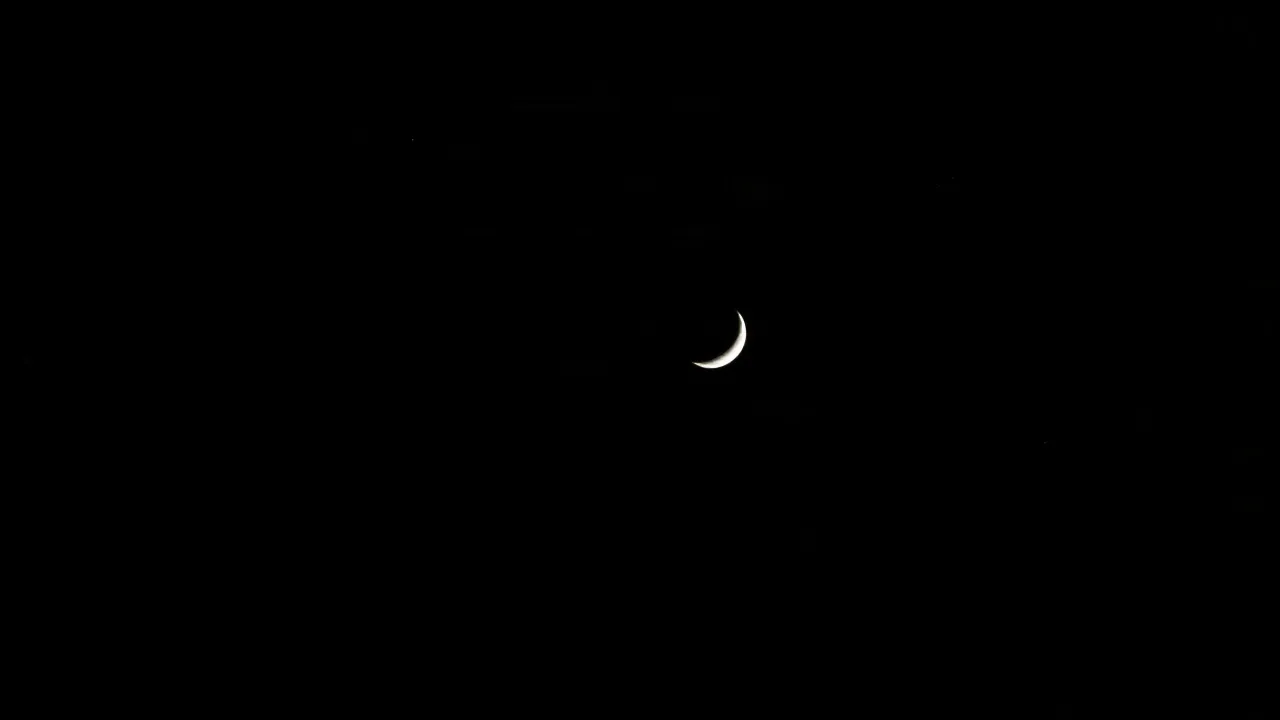
On the morning of October 6, 2026, observers in the United States will have a unique opportunity to witness the moon obscure Jupiter in a rare celestial event known as an occultation. This phenomenon, where one celestial body passes in front of another from the viewer's perspective, will see the crescent moon momentarily hide the gas giant planet. This specific alignment is noteworthy because it marks a celestial spectacle that will not occur again for another 11 years.
The precise timing and visibility of the occultation will vary depending on geographic location within the U.S. Early risers looking towards the eastern horizon before dawn should be able to catch a glimpse of this cosmic dance. While Jupiter is bright enough to be seen with the naked eye, a pair of binoculars or a small telescope will enhance the view, allowing observers to see Jupiter's disc disappear behind the moon's limb and reappear on the other side.
A Decade Between Alignments
Occultations between the moon and planets are not uncommon, as both celestial bodies traverse the sky along paths that often intersect. However, the specific geometry required for the moon to precisely cover Jupiter, especially for viewers in North America, happens with much less frequency. The last time a similar Jupiter-moon occultation occurred was in 2015, making the 2026 event a significant moment for amateur astronomers and casual skywatchers alike.
This event offers more than just a fleeting visual treat; it serves as a tangible reminder of the dynamic nature of our solar system and the predictable, yet awe-inspiring, movements of celestial bodies. Understanding these alignments helps astronomers refine their knowledge of orbital mechanics and provides valuable data, albeit on a small scale, for tracking planetary positions. For the public, it's a chance to connect with the cosmos and appreciate the vastness of space from our own planet.
The moon's apparent size in the sky is about 400 times larger than the sun, and it also happens to be about 400 times closer to Earth, which is why it can perfectly cover both the sun during a solar eclipse and a planet like Jupiter. This cosmic coincidence is what makes events like these possible and so visually striking. As the moon continues its orbit around Earth, its position relative to the background stars and planets is constantly changing, leading to these periodic conjunctions and occultations.
This particular event on October 6, 2026, is expected to be a highlight for skywatchers in the early autumn. While the moon will be in its crescent phase, its proximity to Jupiter will create a striking visual. Those hoping to witness the spectacle should check local astronomical listings for the exact times and optimal viewing conditions in their area. The next opportunity to see a similar occultation of Jupiter by the moon in the U.S. will not be until 2037, underscoring the rarity of this celestial alignment.