
NASA Live: How to Watch Space Flight Broadcasts Today
NASA offers live streaming of space missions, astronaut activities, and real-time orbital coverage through multiple platforms. Learn where and how to tune in to the latest launches and station updates.

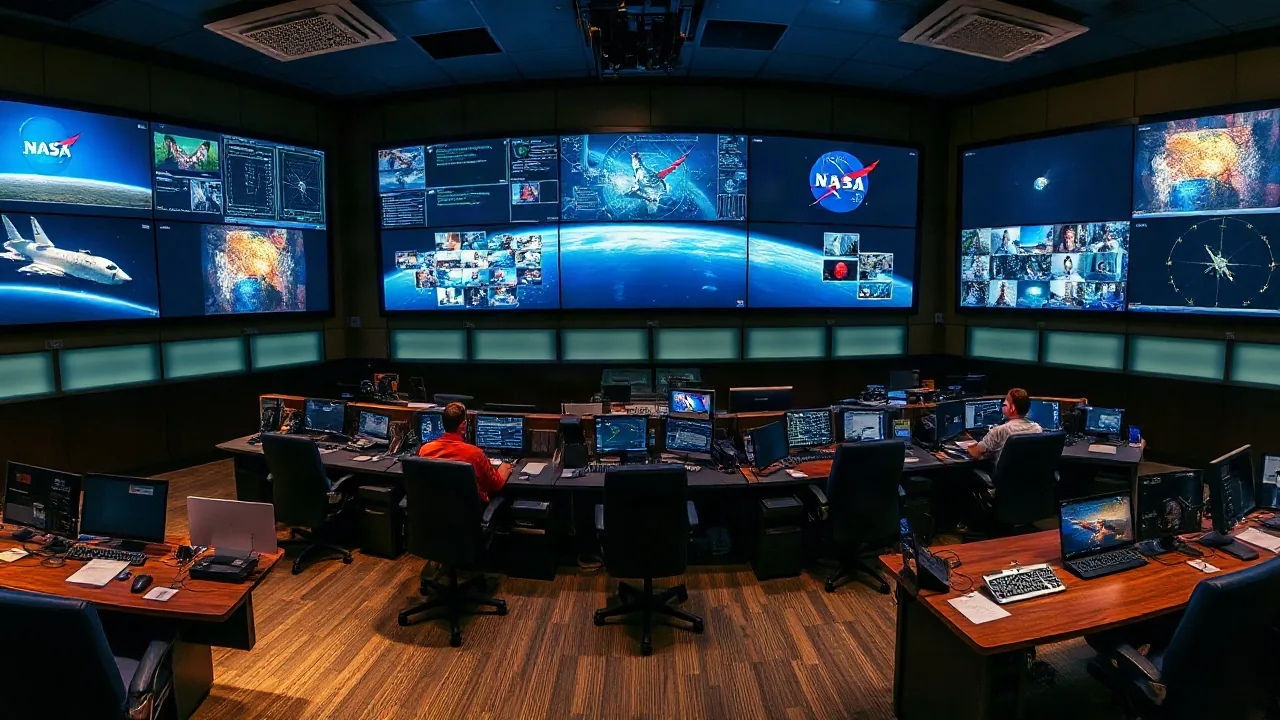
The International Space Station passes overhead every 90 minutes, and NASA now makes those moments accessible to anyone with an internet connection. Through NASA Live, the agency streams continuous coverage of orbiting spacecraft, mission control operations, and Earth views captured from 250 miles above the surface.
NASA operates several dedicated streaming channels to serve different audiences. NASA TV provides 24/7 programming on YouTube, with feeds split by focus: one channel tracks mission operations and technical briefings, another covers educational content, and a third streams only live events. This October 2026, the agency has expanded its platform coverage to include direct feeds on its primary website, mobile apps, and third-party streaming services.
"We've made it simpler for people to follow spaceflight because interest in human space exploration has never been higher," said Sarah Chen, NASA's head of public affairs, in a recent statement. The agency recorded over 2 billion video views across its platforms in 2025, and October's numbers are tracking 40% higher than the same month last year.
What You Can Watch Right Now
Space broadcasts from NASA include several categories of live content. Active mission streams show real-time views from crewed vehicles during launch, orbit, and docking operations. Station feeds display Earth observation and crew activities aboard the International Space Station continuously.
Current events available through NASA Live channels include:
- Crewed vehicle launches and abort system tests from Kennedy Space Center
- Docking operations and undocking sequences with station modules
- Extravehicular activity (EVA) spacewalks with live narration
- Earth observation feeds showing weather systems and geographical features
- Mission control communications and technical briefings
- Payload deployment and scientific instrument operations
The feeds update in real time with no delay, allowing viewers to hear unfiltered radio communications between astronauts and ground control. Most streams include expert commentary from NASA personnel or archive option for on-demand viewing after live broadcast ends.
Where to Access Live Coverage
Live space coverage is available across multiple platforms without subscription. NASA's YouTube channel remains the primary destination, with dedicated playlists sorted by mission and year. The official NASA.gov website features an embedded player with direct links to all active streams and upcoming launch schedules.
Mobile access has improved significantly as of October 2026. The NASA app, available on iOS and Android, now pushes notifications when launches approach or spacewalks begin. The app also includes archived footage, mission timelines, and interactive diagrams explaining upcoming procedures.
Traditional cable and satellite subscribers can find NASA TV on cable channel 400 on many providers. International viewers access streams through regional NASA offices and partner organizations like the European Space Agency.
For those seeking maximum detail, NASA offers technical feeds with minimal commentary. These channels broadcast raw mission control audio and unedited telemetry displays, appealing to space enthusiasts and researchers monitoring specific systems or procedures.
Why Live Viewing Matters for Space Advocacy
Astronaut updates delivered through live streaming create direct connection between the mission and public understanding. When people watch a spacewalk unfold in real time, hear the astronaut's voice, and see Earth rotating below, support for continued space investment strengthens measurably. NASA's public engagement metrics show that viewers of live events express higher confidence in the agency's technical competence and mission value.
Educational institutions have integrated NASA Live into classroom curricula. Teachers use scheduled spacewalks and docking operations as teaching moments, pausing streams to explain procedures or discuss orbital mechanics. Student engagement with space topics increased 35% following the integration of live NASA broadcasts into science curricula, according to preliminary 2026 data from the National Science Teachers Association.
The streams also serve as transparency tools. By broadcasting operations unedited and unscripted, NASA demonstrates the reality of spaceflight: the expertise, precision, and occasionally tense problem-solving that occurs during missions. This openness builds public trust in ways that pre-produced media cannot replicate.
Orbital views captured during live broadcasts offer scientific and inspirational value simultaneously. Earth observation feeds show weather pattern evolution, aurora activity, and human settlement patterns. Simultaneously, these images remind viewers of Earth's finite resources and interconnected ecosystems, reinforcing environmental awareness arguments rooted in space exploration history.
To begin watching, visit NASA.gov, search "NASA Live" on YouTube, or download the NASA app. Upcoming launches and spacewalks are listed on the agency's official schedule, updated weekly as mission dates are confirmed or adjusted. Setting notifications ensures you won't miss moments when humanity ventures beyond Earth's atmosphere.