
NASA Careers: Pathways to Space Exploration Jobs
NASA is hiring across engineering, science, and mission support roles in 2026. Discover what positions are open now and the qualifications you need to launch your aerospace career.

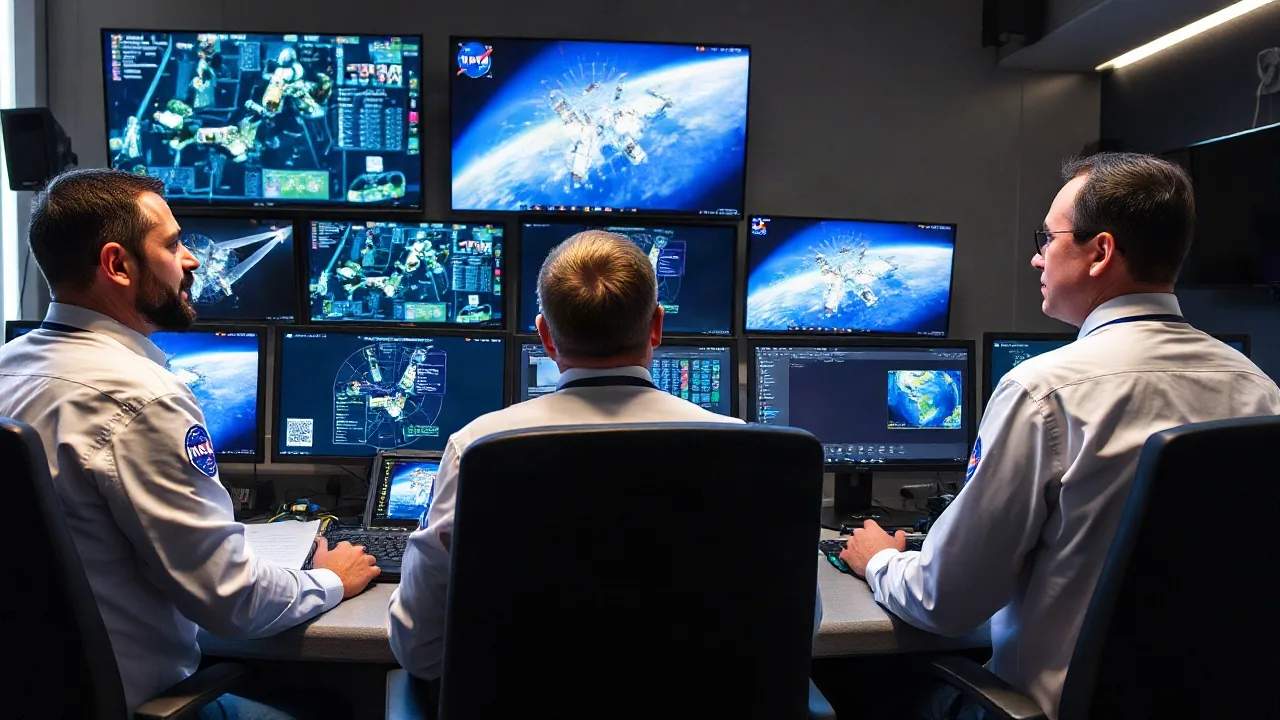
NASA's Johnson Space Center in Houston posted 47 new job openings in October 2026, marking one of the agency's largest recruitment pushes in five years. The positions span roboticists, flight surgeons, systems engineers, and mission planners, reflecting NASA's accelerated timeline for lunar missions and deep-space exploration.
The current hiring wave extends beyond Houston to Kennedy Space Center in Florida, Marshall Space Flight Center in Alabama, and the Jet Propulsion Laboratory in Pasadena, California. Each facility seeks talent to support distinct programs, from the Artemis lunar campaign to Mars rover development.
What NASA Is Hiring For Right Now
The agency's 2026 recruitment agenda reveals priorities that shape the future of NASA missions. Entry-level contractors can start in roles like payload operations and data analysis, while mid-career professionals find positions in propulsion systems, navigation, and autonomous vehicle design.
Common openings include:
- Aerospace engineers designing spacecraft structures and thermal systems
- Software developers building mission-critical flight control and diagnostics software
- Electrical engineers managing power distribution and communications equipment
- Project managers overseeing timelines and budgets for multi-year initiatives
- Life support specialists developing habitat systems for crewed missions
Salaries for NASA civil service positions range from GS-5 ($33,400 annually) for new graduates to GS-15 ($169,000) for senior experts. Contractor roles often pay 15 to 25 percent higher, though they lack federal benefits.
Dr. Elena Roussos, director of NASA's Human Resources Innovation Lab, stated in a November 2026 interview: "We're not just filling vacancies. We're building teams to land humans on the Moon again and send rovers deeper into Mars. Every hire contributes to a mission that will define the next generation."
Skills and Education Pathways
Astronaut training remains NASA's most selective track, but it is not the only pathway to meaningful work. Most positions require a bachelor's degree in engineering, physics, computer science, or related fields. Some roles accept military aviation experience or technical certifications as substitutes.
The aerospace industry increasingly values hands-on experience over credentials alone. Internship programs at NASA centers have expanded. In 2026, the agency's Summer Intern Program accepted 520 candidates across 10 centers, up 18 percent from 2025. Many interns transition to full-time roles within two years.
Key qualifications vary by role:
- Engineering positions: calculus, differential equations, CAD proficiency, and prior project work
- Software roles: proficiency in C++, Python, or Ada; experience with embedded systems
- Mission operations: ability to work 24-hour shift rotations and handle high-pressure decision-making
- Science positions: research publications, lab experience, and domain expertise in geology, biology, or physics
NASA also recruits from the commercial space sector. Employees from SpaceX, Blue Origin, and Axiom Space bring production expertise that accelerates internal projects. As of October 2026, roughly 12 percent of new NASA hires came from private spaceflight companies.
How to Apply and What to Expect
NASA opportunities are posted on USAJobs.gov, the federal government's official employment portal. Applicants must be U.S. citizens or eligible non-citizens and pass security clearance screening. Background checks typically take 3 to 6 months.
The hiring process includes a written test for many technical roles, a phone screening, and in-person interviews with panels of current NASA employees. For positions requiring Top Secret clearance (common in launch operations and Mars mission planning), the vetting period can stretch to nine months.
Space exploration jobs at NASA also include temporary and seasonal roles. Kennedy Space Center hires vehicle technicians and pad crew members on six-month contracts ahead of major launch campaigns. These positions offer entry points for people testing a career in aerospace.
Competitive salary and stability have made NASA positions attractive in 2026. Unlike venture-backed startups, the agency guarantees continued funding and multi-decade projects. Employees also receive comprehensive health insurance, retirement pensions, and relocation assistance for out-of-state hires.
The National Aeronautics and Space Administration currently employs 18,700 civil servants and contracts with 300,000 indirect workers across suppliers and service providers. Growth is expected to accelerate through 2028 as Artemis II crewed missions and the Mars Sample Return campaign move into critical phases.
For those serious about joining NASA, the advice is straightforward: build relevant skills now, track job postings on USAJobs, and start with internships or contractor roles if direct civil service hiring proves competitive. The space frontier is recruiting, and the next wave of innovation depends on people ready to apply.