
SpaceX Jobs: Career Paths in Aerospace Engineering
SpaceX is actively hiring engineers, technicians, and specialists across its Texas, Florida, and California facilities. Learn about the qualifications, roles, and company culture that define careers in commercial spaceflight.

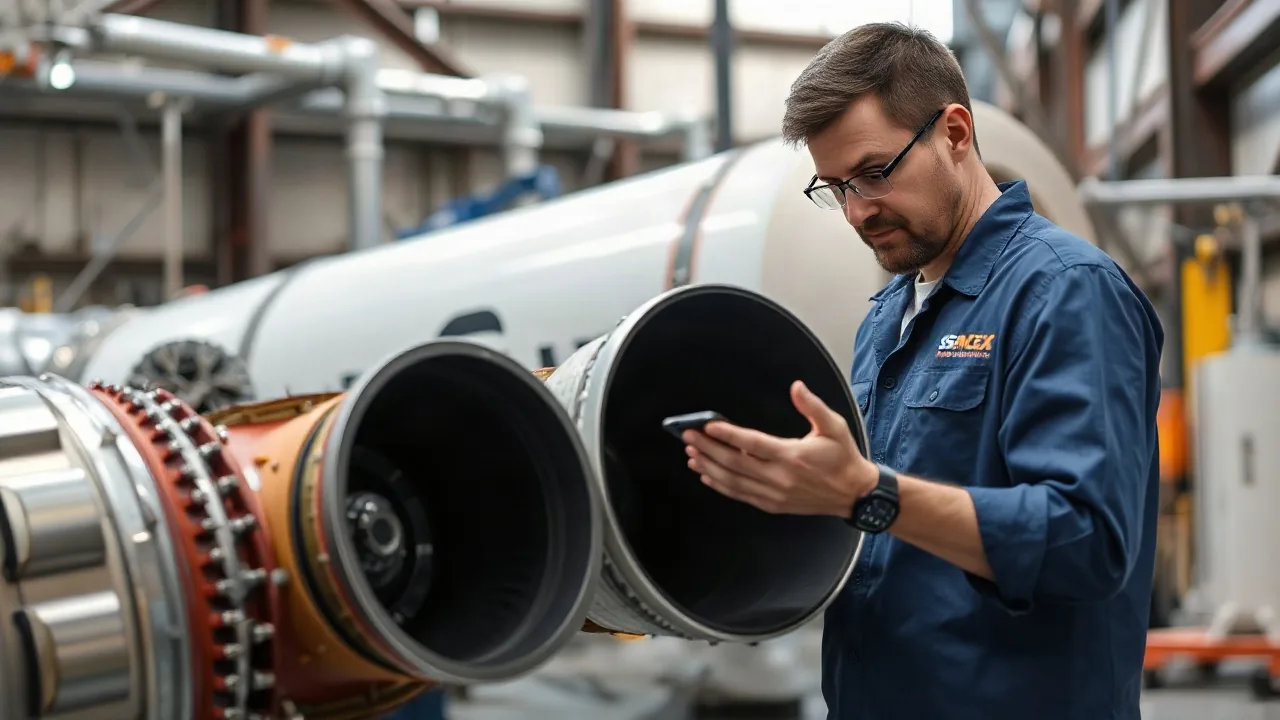
SpaceX announced over 350 open positions across its global operations in November 2026, with the majority concentrated at its Starbase facility in South Texas and Kennedy Space Center in Florida. The hiring surge reflects accelerated timelines for Starship orbital missions and expanded satellite production under the Starlink program. Candidates range from entry-level manufacturing technicians to senior propulsion engineers commanding six-figure salaries.
The company's expansion comes as commercial spaceflight enters a competitive phase. Industry analyst Sarah Chen from the Aerospace Industries Association noted in October 2026: "SpaceX's aggressive hiring reflects not just internal growth, but a broader shift in how space companies source talent. They're recruiting across traditional aerospace, automotive, and software sectors."
Understanding SpaceX's recruitment landscape requires examining both the roles available and the organizational culture that shapes employee experience. The company operates differently from traditional defense contractors, prioritizing rapid iteration and cross-functional collaboration.
Current Job Categories and Required Qualifications
SpaceX's current openings span several core disciplines:
- Propulsion Engineering: Roles focused on propulsion systems design, testing, and optimization for Raptor engines and variants.
- Structural and Mechanical Engineering: Tank design, pressure vessel analysis, and stage integration for Starship and Falcon 9.
- Software Development: Flight software, avionics, and ground control systems, primarily in C++ and Python.
- Manufacturing and Production: Welding specialists, CNC machinists, and assembly technicians with aerospace certification preferred.
- Quality Assurance: Materials testing, failure analysis, and compliance verification for safety-critical components.
Entry-level positions typically require a bachelor's degree in engineering, physics, or mathematics. Many manufacturing roles accept high school graduates with relevant trade certifications or military experience. Mid to senior engineering jobs commonly demand 5 to 15 years of aerospace or related industry experience, though SpaceX has shown willingness to hire talented candidates from non-traditional backgrounds.
The company prioritizes problem-solving ability and self-motivation over pedigree. SpaceX's hiring managers often assess candidates through technical interviews, practical design challenges, and cultural fit assessments that evaluate adaptability to fast-paced, high-stakes environments.
Compensation, Benefits, and Work Environment
SpaceX compensation varies significantly by role, location, and seniority. Junior engineers in South Texas typically start at $85,000 to $110,000 annually, while senior propulsion engineers in California can exceed $200,000 plus performance bonuses. The company offers comprehensive health coverage, 401(k) matching, and stock options available to most full-time employees.
Work schedules at SpaceX are notoriously demanding. Mission windows, launch schedules, and rapid development cycles often require 50 to 60-hour weeks, particularly for teams supporting active launches. The company acknowledges this openly in job postings and during recruitment conversations, making work-life balance a known trade-off for career acceleration and technical impact.
Starbase, the South Texas headquarters, presents a unique work setting. Engineers and technicians operate from industrial facilities alongside active launch and test infrastructure. Unlike traditional office environments, team members observe their work's direct impact on hardware moving toward orbital missions. This proximity to mission operations creates a high-engagement culture but demands physical presence on-site.
The California offices, concentrated in Hawthorne and expanding near Los Angeles International Airport, house design engineering, avionics, and software development teams. These locations operate with slightly more flexibility than South Texas but maintain the same high-intensity project timelines.
Pathways Into SpaceX and Aerospace Careers
SpaceX recruits through traditional channels: its careers website, LinkedIn, university partnerships, and direct outreach to employees' networks. The company maintains active recruitment at top engineering schools including MIT, Caltech, UT Austin, and UC San Diego. Internship programs, offered year-round, serve as primary pipelines for recent graduates.
The company also actively poaches talent from legacy aerospace firms, defense contractors, and automotive manufacturers. Engineers from Blue Origin, Lockheed Martin, Boeing, and Tesla have transitioned to SpaceX roles, bringing established expertise into faster execution environments.
For candidates without aerospace backgrounds, entry through manufacturing, quality, or technician positions offers realistic pathways to engineering roles. SpaceX funds education benefits and tuition reimbursement for employees pursuing degrees or professional certifications. Internal mobility is common; a manufacturing technician with initiative and technical aptitude can advance to engineering or program management within three to five years.
The space industry as a whole benefits from SpaceX's talent churn. Engineers who spend 2 to 4 years at Starbase often transition to other commercial launch providers, satellite operators, or government agencies, carrying accelerated experience back into the broader ecosystem.
Applicants should prepare for rigorous technical interviews and background investigations, particularly for roles touching flight hardware or national security programs. Security clearances, common in defense-adjacent roles, can extend hiring timelines to 3 to 6 months. The company prioritizes candidates who demonstrate intellectual curiosity, willingness to challenge assumptions, and comfort with ambiguity in rapidly evolving technical environments.
SpaceX opportunities represent one of the few remaining pathways into hands-on spaceflight engineering at scale. As the commercial space sector matures in 2026, SpaceX's continued expansion signals sustained hiring momentum through the next 18 to 24 months, making this a critical moment for aerospace professionals considering career transitions.