
NASA Chief Jared Isaacman Details Artemis Moon Race Against China
NASA Administrator Jared Isaacman discusses the Artemis program, annual rocket launches, and the current space race against China.

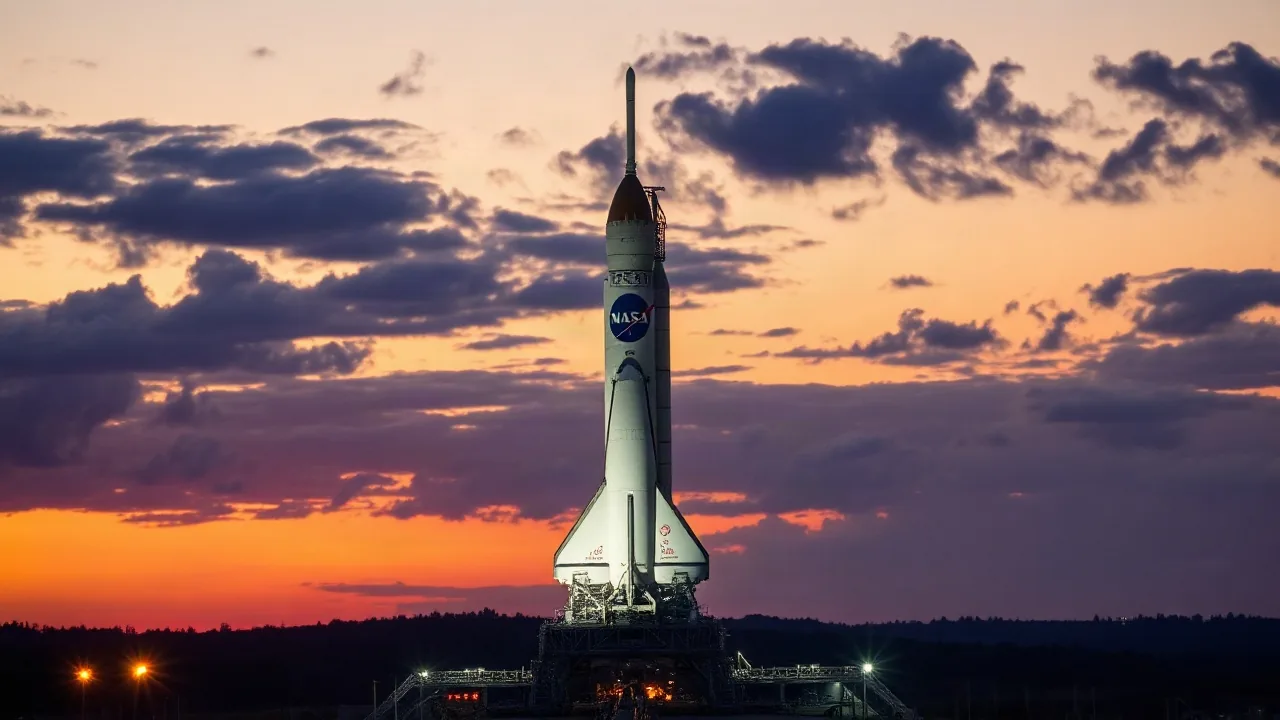
NASA Administrator Jared Isaacman outlined plans for the agency's Artemis program, emphasizing the importance of launching heavy rockets annually as part of an ongoing space race with China. Following the success of the Artemis II mission in April 2026, Isaacman expressed confidence in the current trajectory of the U.S. space program. The agency is now preparing for upcoming milestones, including Artemis III and a targeted crewed lunar landing for Artemis IV by the end of 2028.
During a discussion about the state of the Artemis program, Isaacman addressed the logistics behind deep-space human spaceflight missions and the necessity of regular liftoffs. “You know, a lot of people, especially in the space community, start getting [into] if the landers are there or not. I don't really care about that right now. What I care about is that we are launching big rockets no less than once a year,” Isaacman stated. He noted that Artemis III, scheduled for a 2027 launch, will test docking procedures between the Orion capsule and private lunar landers developed by SpaceX and Blue Origin.
The Modern Lunar Competition
Unlike the Apollo era of the 1960s, when the United States held a definitive technological and computing edge over the Soviet Union, the modern race involves a much closer competitor. Isaacman pointed out that China is advancing rapidly with landers, rovers, space suits, and a two-launch architecture. “We're saying we're going to land on the moon at the end of 2028. China is saying by the end of 2029,” Isaacman explained, noting that the agency is taking the rival program seriously due to the global implications of the competition.
Highlighting the broader stakes of the new space race, Isaacman warned that falling behind could impact global perceptions of technological leadership, from computing and security to manufacturing. Despite these pressures, the NASA chief remains optimistic about the agency's prospects. “The consequence of getting this wrong, I'm telling you - it's going to be felt around the world,” he said, adding, “We have that playbook of success, and I think we will prevail.” In addition to upcoming Artemis III preparations, recent leadership updates include Artemis II commander Reid Wiseman transitioning to become the new deputy director of NASA's Jet Propulsion Laboratory.