
NASA ETF: Investing in the Growing Space Economy
Exchange-traded funds tracking NASA contracts and aerospace innovation are gaining investor attention as the space economy accelerates. These funds offer exposure to companies building rockets, satellites, and space infrastructure.

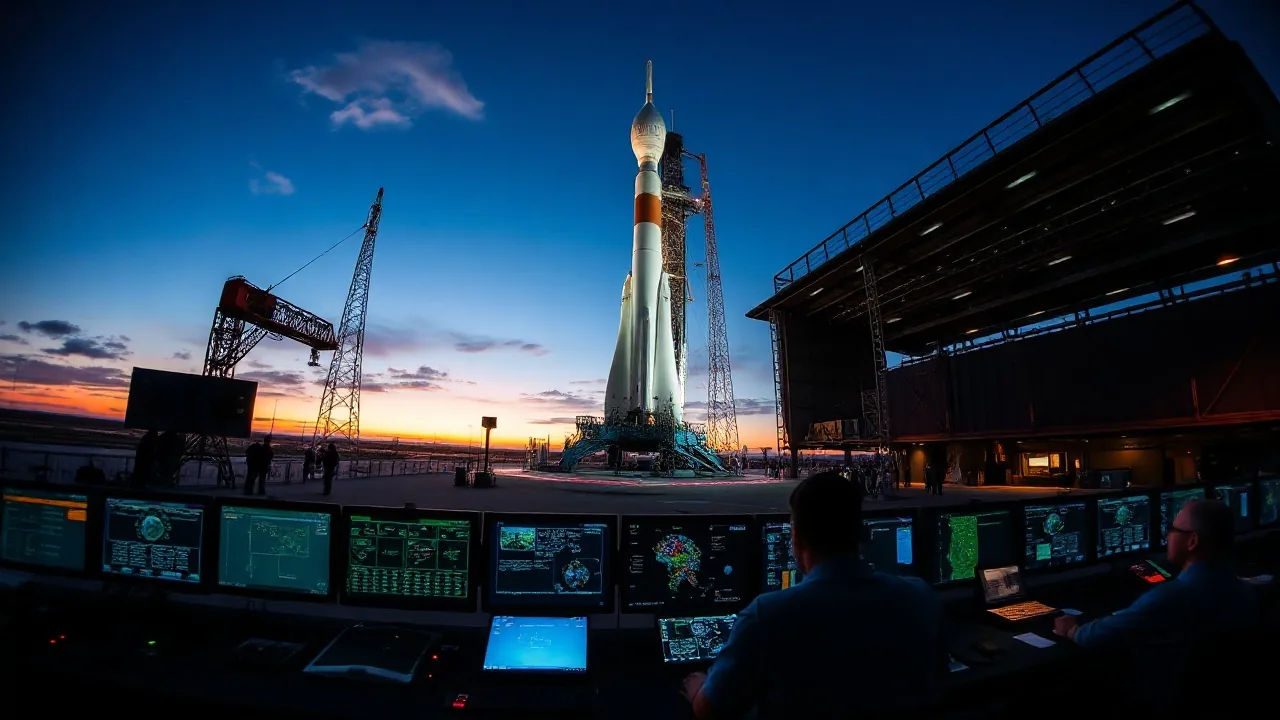
Investors searching for exposure to the booming space sector are turning to exchange-traded funds focused on NASA contracts and aerospace innovation. The surge in interest reflects a broader shift in how Wall Street views space exploration: no longer a government-only domain, but a multi-billion-dollar economic engine.
The space economy hit $469 billion globally in 2021 and is projected to exceed $1 trillion by 2040, according to Morgan Stanley research. Within that landscape, companies winning NASA contracts and developing commercial space infrastructure are attracting institutional and retail capital at unprecedented rates.
Funds like the Procure Space ETF (UFO) and the Ark Space Exploration and Innovation ETF (ARKX) have drawn billions in assets by betting on this thesis. These vehicles hold stakes in aerospace manufacturers, satellite operators, and emerging launch providers that depend on government demand or serve the growing private space market.
What NASA ETFs Actually Hold
Space exploration funds typically invest in a mix of legacy defense contractors and newer pure-play aerospace companies. Typical holdings include firms like SpaceX (through secondary markets or private equity vehicles), Rocket Lab, Axiom Space, and traditional names like Lockheed Martin and Boeing's space division.
The composition varies by fund strategy. Some focus narrowly on companies with direct NASA relationships or government contracts. Others cast a wider net across the entire commercial space value chain.
- Launch vehicle manufacturers and operators
- Satellite and telecommunications providers
- Space station modules and habitats
- In-space manufacturing and resource extraction firms
- Ground infrastructure and launch services
"The space industry is transitioning from a cost-plus government contracting model to a competitive commercial market," said Bhavesh Patel, lead analyst at CFRA Research. "ETFs tracking this shift give retail investors a diversified bet without needing to pick individual winners."
Why the Timing Matters Now
Federal policy has accelerated investment in NASA ETF underlying companies. The Space Force's 2024 budget allocated $28.4 billion to space operations and infrastructure. NASA's Artemis program, which aims to return humans to the Moon by 2026, requires sustained hardware procurement from aerospace suppliers.
Private capital is moving in lockstep. SpaceX's Starship test flights, Blue Origin's New Shepard, and Axiom Space's commercial space station modules all represent near-term revenue catalysts for aerospace investments. Investors believe these programs will drive earnings growth for fund holdings over the next three to five years.
The geopolitical element also matters. Competition with China in space capability has made American space leadership a bipartisan priority. This political consensus reduces the likelihood of sudden budget cuts that could harm fund holdings.
Risks and Considerations
Like any sector bet, space economy funds carry concentration risk. Many holdings derive substantial revenue from government contracts subject to procurement delays, budget cycles, and program cancellations. A shift in political priorities could reshape funding streams overnight.
Profitability remains elusive for many pure-play space companies. Rocket Lab, which went public via SPAC in 2021, has yet to post quarterly profits despite growing revenue. Fund investors must be comfortable with companies burning cash while building markets that may take years to mature.
Expense ratios on space-focused ETFs typically range from 0.75 percent to 1.30 percent annually, higher than broad market index funds. This drag compounds over decades and can meaningfully impact long-term returns.
Additionally, exchange-traded funds holding private equity stakes or pre-revenue companies face liquidity constraints. A fund's ability to exit positions quickly when market conditions deteriorate remains uncertain for emerging space ventures.
The Broader Investment Thesis
Supporters of space economy investing argue that several secular trends justify the sector's growth. Satellite internet constellation buildouts by companies like SpaceX and Amazon's Project Kuiper require ongoing launch capacity and ground infrastructure upgrades.
In-space manufacturing, orbital refueling, and asteroid mining remain speculative but are drawing venture capital and corporate investment. If even one of these markets materializes profitably, early backers could see substantial returns.
For diversified portfolios, a 2 to 5 percent allocation to space-focused funds is increasingly viewed as a hedge against terrestrial economic slowdowns. Space demand remains decoupled from consumer spending or traditional business cycles, offering portfolio diversification benefits.
The sector is no longer confined to aerospace industry specialists. Mainstream financial advisors now discuss investing in space as a standard conversation topic, signaling that space has moved from novelty to asset class.
As NASA contracts flow and commercial space operations scale, ETFs offer a practical entry point for investors who believe the space economy's expansion is just beginning.