
NASA Seeks Ideas to Extend Hubble Space Telescope's Mission
NASA is actively soliciting proposals from commercial entities interested in servicing the Hubble Space Telescope. The agency is exploring options to potentially boost its orbit or conduct other maintenance, extending its operational life.

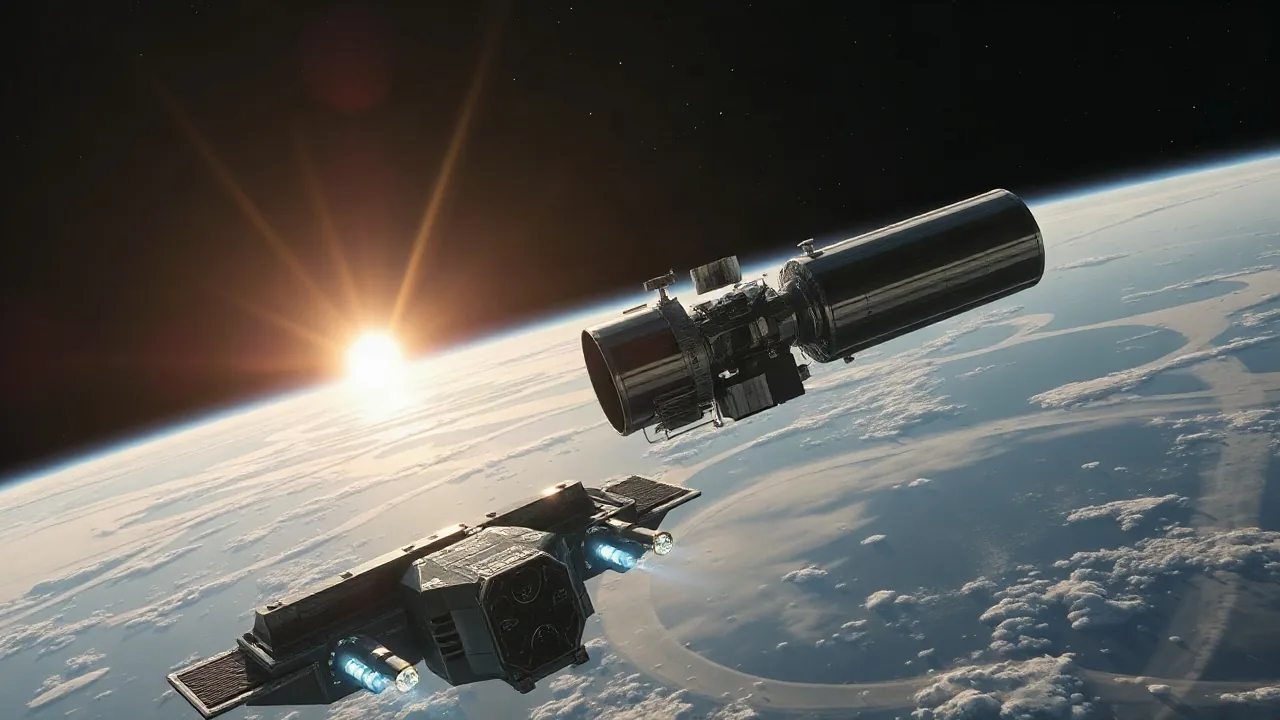
NASA is casting a wide net, seeking innovative proposals from commercial companies that could help extend the life of the iconic Hubble Space Telescope. The U.S. space agency announced an open call on October 29, 2026, inviting interested parties to submit their ideas for potential servicing missions or other orbital enhancements. This initiative signals NASA's commitment to maximizing the scientific return from one of its most treasured observatories, which has been in orbit for over three decades.
The agency is exploring various scenarios, including methods to raise Hubble's orbit to counteract atmospheric drag, which is gradually lowering its altitude. Such a maneuver would not only prevent a premature deorbit but also potentially prolong the telescope's scientific capabilities. NASA is keen to understand the feasibility and cost-effectiveness of commercial involvement in these complex operations.
Exploring Options for Longevity
In a Request for Information (RFI) released on October 29, NASA detailed its interest in exploring a range of possibilities. The agency is not mandating a specific solution but rather is open to creative approaches. This includes concepts for robotic servicing, as well as potential astronaut-involved missions, similar to the groundbreaking servicing missions conducted by the Space Shuttle program in the past. The RFI specifically asks companies to detail their capabilities in areas such as rendezvous and proximity operations, robotic manipulation, and potential crewed operations in low-Earth orbit. The overarching goal is to ensure that Hubble can continue its invaluable scientific observations for as long as possible.
The Hubble Space Telescope, launched in 1990, has revolutionized astronomy, providing breathtaking images and crucial data that have reshaped our understanding of the universe. Despite its age and the emergence of newer observatories like the James Webb Space Telescope, Hubble continues to be a vital scientific instrument. Its unique position and capabilities offer observations that complement those of other telescopes, making its continued operation a priority for many astronomers.
A representative from NASA emphasized the agency's forward-thinking approach. "We are looking for pioneering solutions that can help us keep Hubble performing at its best," stated the NASA spokesperson. "This telescope has delivered unparalleled scientific discoveries, and we are committed to exploring all viable avenues to extend its legacy." The agency is anticipating responses from a diverse range of aerospace companies, from established players to innovative startups.
Beyond simply boosting its orbit, NASA is also interested in potential upgrades or repairs that could enhance Hubble's scientific instruments or overall performance. While the agency has not specified particular components that require attention, the RFI allows for proposals that address potential hardware degradations or obsolescence issues. The competitive nature of this solicitation aims to drive innovation and potentially reduce the cost of future space servicing missions, lessons that could be applied to other long-duration spaceflight endeavors.
The timeline for reviewing proposals and selecting potential partners has not yet been disclosed. However, NASA's proactive stance underscores the enduring value of the Hubble Space Telescope and its crucial role in scientific exploration. The agency's openness to commercial partnerships marks a significant step in potentially securing the future of this historic observatory.