
NASA Schedules Uncrewed Starliner Flight Post-ISS Astronauts' Delay
NASA is planning an unpiloted test flight for Boeing's Starliner spacecraft. This decision follows the extended stay of astronauts aboard the International Space Station due to Starliner issues.

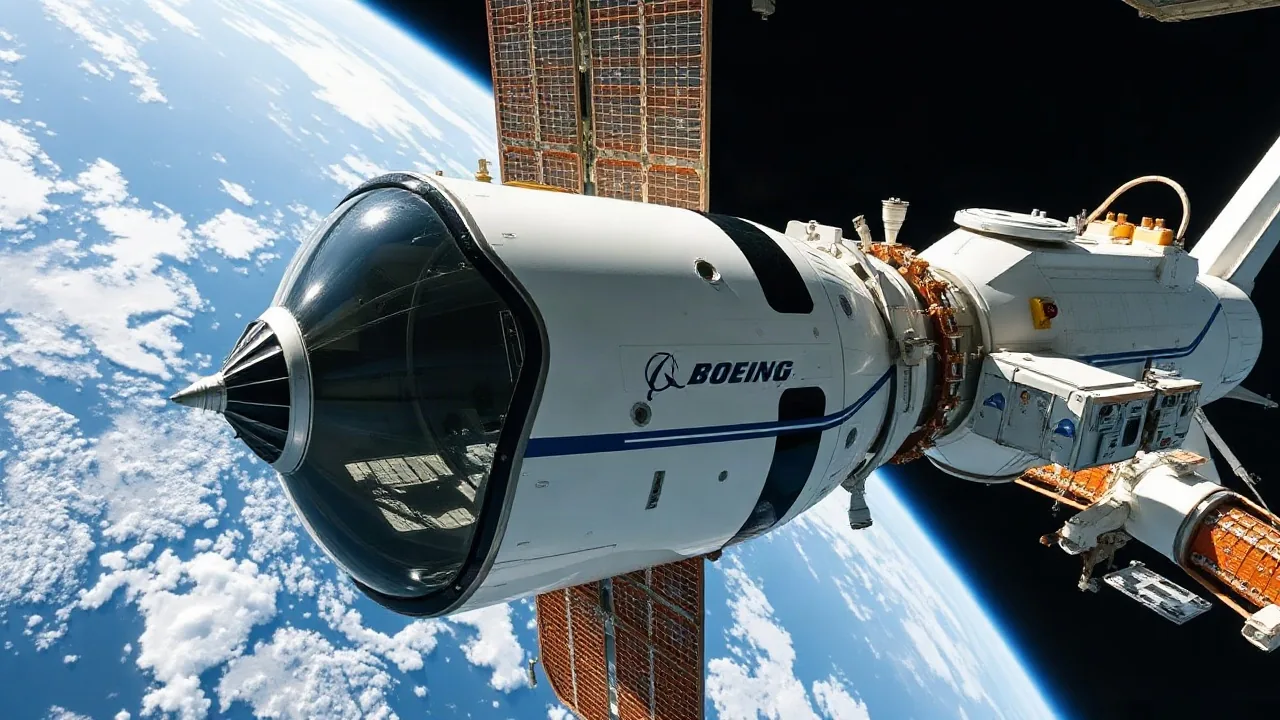
NASA has announced plans for a new uncrewed test flight of Boeing's CST-100 Starliner spacecraft. The mission is intended to further validate the vehicle's systems before it can resume carrying astronauts to the International Space Station (ISS). This development comes after a recent crewed mission experienced significant delays, leaving astronauts aboard the ISS longer than anticipated.
The astronauts from the original crewed mission, docked at the ISS since June 2024, finally returned to Earth on September 29, 2026. Their extended stay was necessitated by multiple technical challenges encountered by the Starliner capsule during its journey and while docked. These issues prompted NASA and Boeing to keep the crew on the station while engineers worked to diagnose and resolve the problems.
The upcoming unpiloted flight, often referred to as a "reflight" or "post-certification mission," will gather crucial data to ensure the safety and reliability of the Starliner for future astronaut transport. NASA officials emphasized that this mission is a necessary step to build confidence in the spacecraft's performance and address all outstanding technical questions.
Addressing Starliner's Technical Hurdles
During the previous crewed mission, several issues arose, including helium leaks in the service module's reaction control system and problems with sticky valves. Engineers spent months at the ISS analyzing the spacecraft's behavior and performance. While the astronauts were able to complete some of their planned research, the primary objective of testing Starliner as a reliable crew transportation system was significantly impacted.
The decision to proceed with an uncrewed test flight underscores NASA's cautious approach to crewed spaceflight. The agency and its commercial partners, like Boeing, are committed to rigorous testing and validation. This approach is critical for ensuring the safety of astronauts traveling to and from the ISS, especially as the agency plans for more ambitious missions, including potential lunar surface operations with the Artemis program.
Boeing has been working to overcome these technical setbacks for the Starliner program. The company views this upcoming unpiloted flight as a vital opportunity to demonstrate the spacecraft's readiness. Successful completion of this mission is expected to pave the way for NASA to certify Starliner for regular crew rotation missions, potentially making it the second U.S. vehicle, alongside SpaceX's Crew Dragon, capable of transporting astronauts to the orbital outpost.
The delay in the Starliner's operational status has had implications for NASA's commercial crew program, which aims to foster a robust domestic launch capability. While SpaceX has been the sole provider for ISS crew transport since 2020, the addition of Starliner was intended to introduce redundancy and competition. This uncrewed flight aims to move the program closer to its intended operational cadence.