
Aurora Borealis Possible in 8 Northern US States Tonight
Residents in eight northern U.S. states have a chance to witness the aurora borealis tonight. NOAA predicts low visibility potential, with optimal viewing conditions recommended for best results.

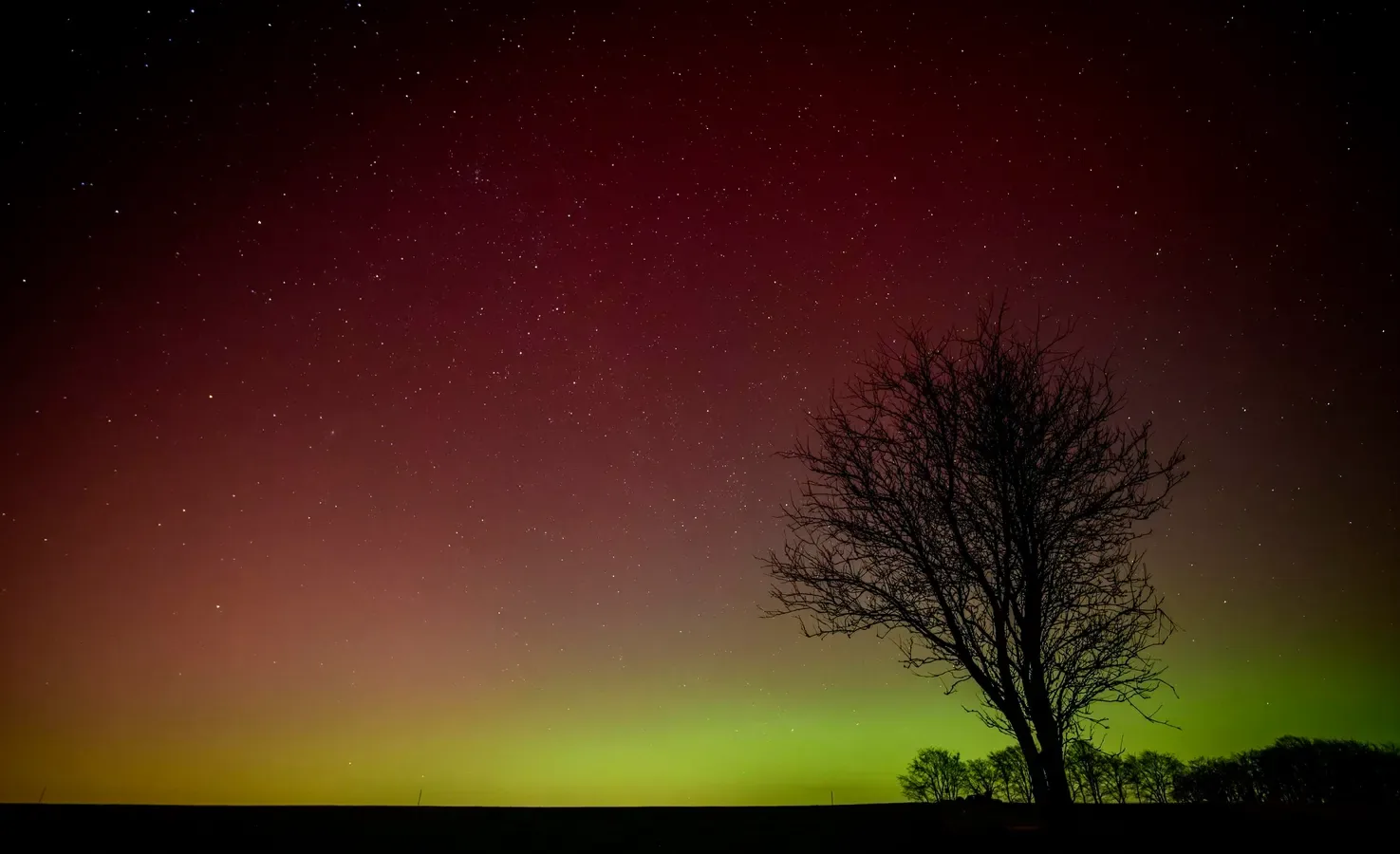
The mesmerizing spectacle of the Aurora Borealis could grace the night sky over parts of the northern United States on Wednesday. The National Oceanic and Atmospheric Administration (NOAA) has indicated a low probability for aurora sightings in several states bordering Canada, though sightings are never guaranteed.
Areas with a potential, albeit low, chance of viewing the celestial display include northeastern Washington, the northernmost tip of Idaho, much of northern Montana, extensive areas of North Dakota, northern Minnesota, and the northernmost sections of Wisconsin and the Upper Peninsula of Michigan. As is typical, Alaska is expected to have the highest likelihood of experiencing visible northern lights.
Viewing Conditions and Best Practices
For those hoping to catch a glimpse of the aurora, NOAA suggests that the prime viewing window is typically between 10 p.m. and 2 a.m. local time. This period often corresponds with the highest levels of geomagnetic activity that drive the aurora. Beyond timing, minimizing light pollution is crucial. Prospective viewers should seek out remote locations away from city lights, and being mindful of moonlight can also enhance visibility, as bright moonlight can wash out fainter aurora displays.
Photography enthusiasts looking to capture the aurora should equip themselves with a wide-angle lens and set their cameras to a low aperture. Employing a tripod is highly recommended to maintain stability for long exposure shots. If the camera or phone allows, utilizing a night mode and refraining from using a flash will yield the best photographic results, ensuring the natural glow of the aurora is preserved.
The current period of auroral activity in the U.S. follows a trend that has been more pronounced since 2024, a year that marked the peak of the sun's 11-year solar cycle. This cycle dictates the frequency and intensity of solar events, such as coronal mass ejections, that can trigger geomagnetic storms capable of producing aurora visible at lower latitudes. As the solar cycle wanes, scientists anticipate that the conditions conducive to widespread auroral displays will become less frequent.
Forecasters are advising that the opportunities for viewing the aurora borealis at these latitudes are expected to diminish as time progresses beyond the solar cycle's peak. The year 2026 is projected to be one of the final years in the near future offering significant chances for substantial northern lights activity across the contiguous United States. After this period, prolonged intervals with reduced auroral visibility are anticipated, making these current opportunities particularly valuable for skywatchers.