
October 2026 Skygazing: Meteor Showers, Saturn, and Milky Way Core
October 2026 offers a celestial spectacle with three meteor showers, a prominent Saturn, and a final view of the Milky Way's core. Stargazers can anticipate a range of astronomical events throughout the month.

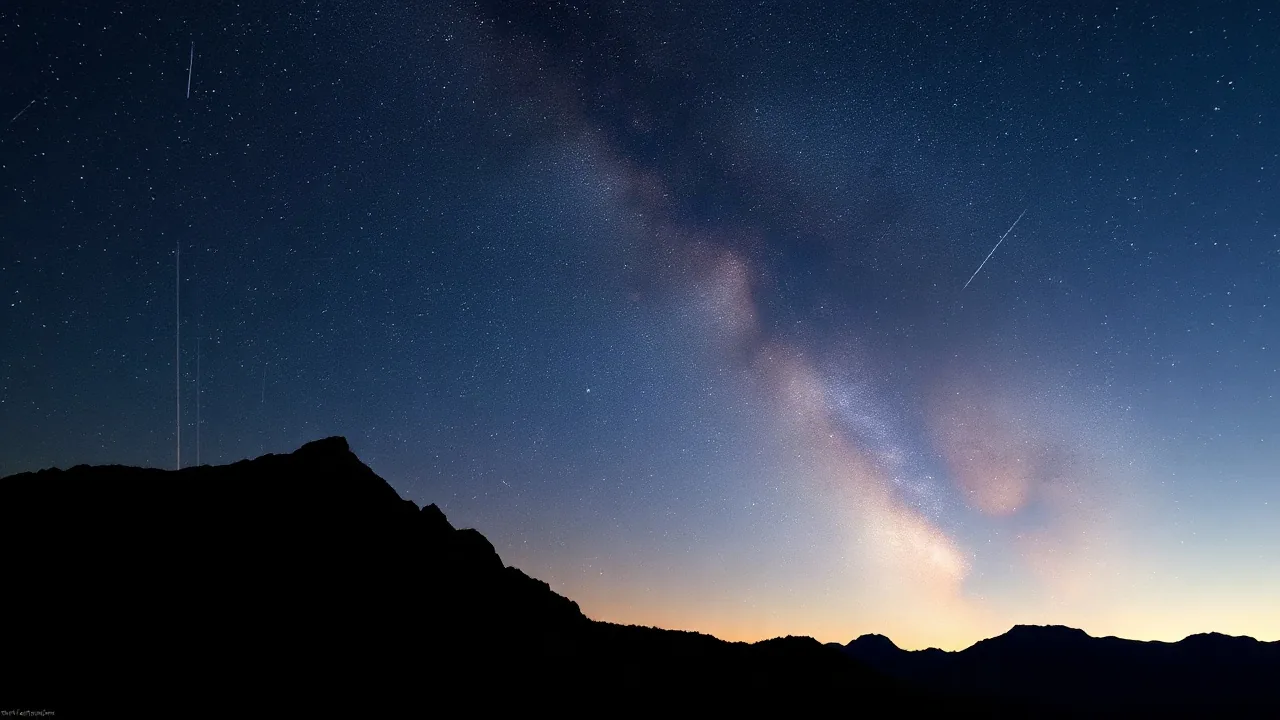
Stargazers in October 2026 will be treated to a dazzling array of celestial phenomena, including multiple meteor showers, the planet Saturn at its most visible, and a final opportunity to observe the core of the Milky Way before it becomes obscured. This month promises a rich viewing experience for both amateur and seasoned astronomers.
The month kicks off with the planet Saturn reaching its opposition on the night of October 3rd and 4th. This astronomical event signifies the point when Saturn is directly opposite the Sun in Earth's sky, making it appear at its largest and brightest. Observers will have an exceptional chance to view its prominent rings through telescopes, a highlight for fall stargazing seasons across North America, including locations like New York City.
Cosmic Displays Light Up the Night
Beyond Saturn's brilliance, October 2026 will host three distinct meteor showers. The Draconids, typically active from October 6th to 10th, are known for their sometimes dramatic, though often sparse, displays originating from the constellation Draco. Later in the month, the Orionids, active from October 2nd to November 7th, will peak around October 21st. This shower produces fast-moving meteors often referred to as "shooting stars" and is associated with debris from Halley's Comet. The final significant shower of the month will be the Leonids, active from November 6th to December 2nd, with its peak occurring around November 17th-18th; while its peak is in November, early activity can sometimes be observed in late October.
For those looking deeper into the cosmos, the months of September and October often provide the best conditions for viewing the Milky Way Core. This period offers a final chance to witness the dense, bright galactic center before the changing position of the Earth and the onset of shorter nights during winter months begins to diminish its visibility. While not a specific event, dedicated observers in areas with minimal light pollution can find this region of the sky particularly rewarding.
In addition to these main events, conditions permitting, there's also the possibility of observing Northern Lights, or aurora borealis, particularly in northern latitudes. While not guaranteed, solar activity can sometimes lead to spectacular auroral displays visible at higher elevations.
The astronomical events of October 2026 provide a consistent reminder of the dynamic and beautiful universe we inhabit. From the distinct rings of Saturn to the fleeting streaks of meteor showers and the grand panorama of our own galaxy, the night sky offers a compelling spectacle for all.