
Orionid Meteor Shower Peaks Tonight: Viewing Tips for 2026
The annual Orionid meteor shower reaches its peak activity tonight, October 21st, 2026. Viewers can expect to see shooting stars originating from debris left by Halley's Comet.

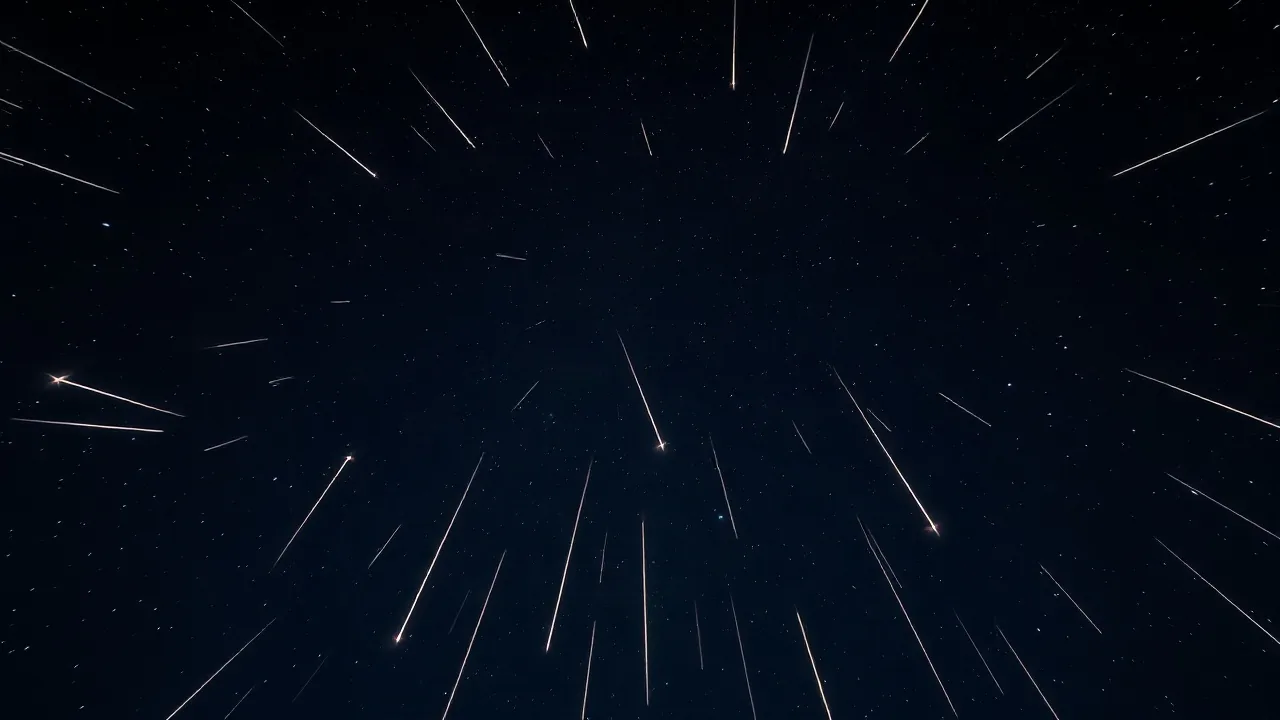
The highly anticipated Orionid meteor shower is set to reach its peak activity on the night of October 21st into the early morning of October 22nd, 2026. This celestial event offers a spectacular display of shooting stars, originating from dust and debris shed by the famous Halley's Comet. For skygazers in North America, the darkest hours before dawn will provide the best opportunity to witness this annual phenomenon.
Unlike meteor showers that require clear, dark skies far from city lights, the Orionids are known for their brilliance and can sometimes be seen even in moderately light-polluted areas. However, to maximize the viewing experience, finding a location away from urban glow is highly recommended. The meteors will appear to radiate from the constellation Orion, which rises in the east after midnight, though they can be seen streaking across any part of the sky.
Viewing Conditions and Best Times
Optimal viewing conditions are predicted for the pre-dawn hours of October 22nd. While the peak activity occurs on this specific night, stray meteors may be visible for several nights before and after. Observers should allow their eyes at least 20-30 minutes to adjust to the darkness to best appreciate the fainter meteors. Patience is key, as the number of visible meteors can fluctuate throughout the night.
The meteors are fragments of ice and dust left behind by Halley's Comet during its passages through the inner solar system. As Earth travels through this debris trail, these particles burn up upon entering our atmosphere at high speeds, creating the brilliant streaks of light we call shooting stars. The Orionids are particularly noted for their speed, often leaving persistent trails.
While the meteor shower itself is free to watch, clear skies are essential. Weather forecasts should be checked closer to the date, as cloud cover can significantly obstruct the view. Some regions may experience clearer conditions than others, influencing the overall viewing success for the night.
This year, the moon phase is favorable, as a waning crescent moon will offer minimal interference, allowing the fainter meteors to be more easily observed. This is a significant advantage compared to years with a brighter moon during the peak.
The Orionids are one of two major meteor showers produced by Halley's Comet, the other being the Eta Aquariids in May. The shower's name comes from the radiant point, the area in the sky from which the meteors appear to originate, which is located in the constellation Orion. Observing this shower provides a direct connection to the cosmic journey of one of history's most famous comets.