
Saturn Rings Shine Brightest: Your October 2026 Night Sky Guide
October 2026 offers exceptional views of Saturn's rings, reaching peak visibility. Amateur astronomers can also spot meteors and a rare vanishing star cluster.

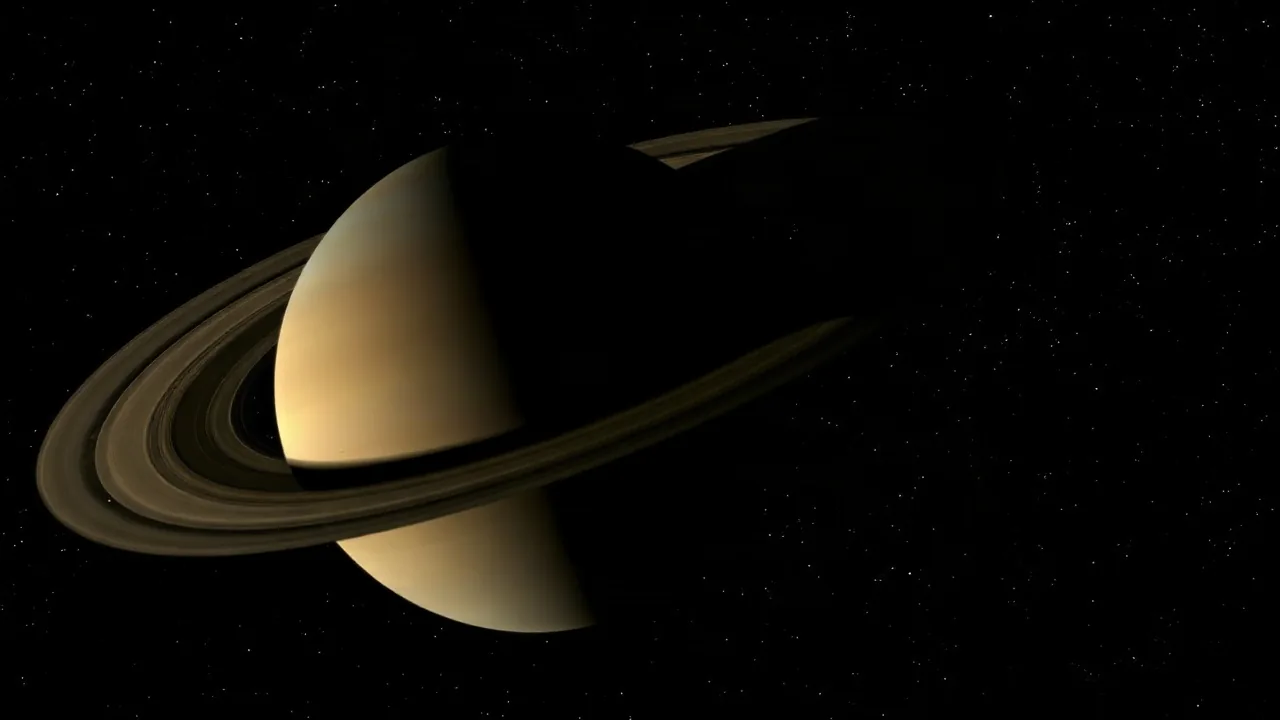
This October, skywatchers have a prime opportunity to observe the majestic rings of Saturn as they reach their most brilliant presentation of the year. The planet is positioned for optimal viewing, making its intricate rings stand out even through smaller telescopes. Beyond Saturn, the night sky promises a celestial feast with the Draconids meteor shower and the intriguing phenomenon of a disappearing star cluster.
The optimal viewing conditions for Saturn are attributed to its current position in the sky relative to Earth and the Sun. As Earth passes between the Sun and Saturn, the planet appears at its brightest and largest in the night sky. This year, the alignment is particularly favorable, offering a spectacular display of the planet's iconic icy rings. For those equipped with binoculars or telescopes, the view is expected to be exceptionally clear, revealing details that are often obscured during other times of the year.
Cosmic Events Beyond Saturn
While Saturn commands attention, October's celestial calendar is rich with other notable events. The Draconids meteor shower is set to peak on October 7th and 8th. Unlike many other meteor showers, the Draconids are known for their potential for intense outbursts, although predicting their exact intensity remains challenging. Observers can expect to see shooting stars originating from the constellation Draco, the dragon, in the northern sky.
Adding another layer of cosmic intrigue is the peculiar behavior of the star cluster NGC 7789, also known as the "White Rose Cluster." This open cluster, located in the constellation Cassiopeia, is currently exhibiting a rare "vanishing" act. Scientists are observing as its stars appear to be dispersing or dimming, a process that could be attributed to stellar evolution or observational effects. This phenomenon provides astronomers with a unique chance to study stellar dynamics in real-time.
The darker evenings of autumn, starting in October, naturally lend themselves to stargazing. As daylight hours shorten, the window for observing nocturnal celestial events expands. This increased darkness, coupled with favorable planetary alignments, makes October an ideal month for both novice and experienced astronomers to explore the cosmos. Beyond the main attractions, constellations like Orion, Cassiopeia, and Ursa Major continue to be prominent features in the night sky, offering familiar landmarks for celestial navigation.
For optimal viewing of Saturn and other celestial bodies, astronomers recommend finding a location away from city lights to minimize light pollution. Using a red-light flashlight will help preserve night vision while consulting star charts or apps. Patience is also key, as celestial events unfold at their own pace, rewarding dedicated observers with breathtaking sights. The opportunities this October present a chance to connect with the vastness of the universe and appreciate the dynamic beauty of space from our own planet.