
SpaceX Crew-13 Launches Four Astronauts to ISS on October 1
SpaceX successfully launched the Crew-13 mission on October 1, sending four astronauts aboard a Crew Dragon spacecraft to the International Space Station (ISS) for a six-month stay.

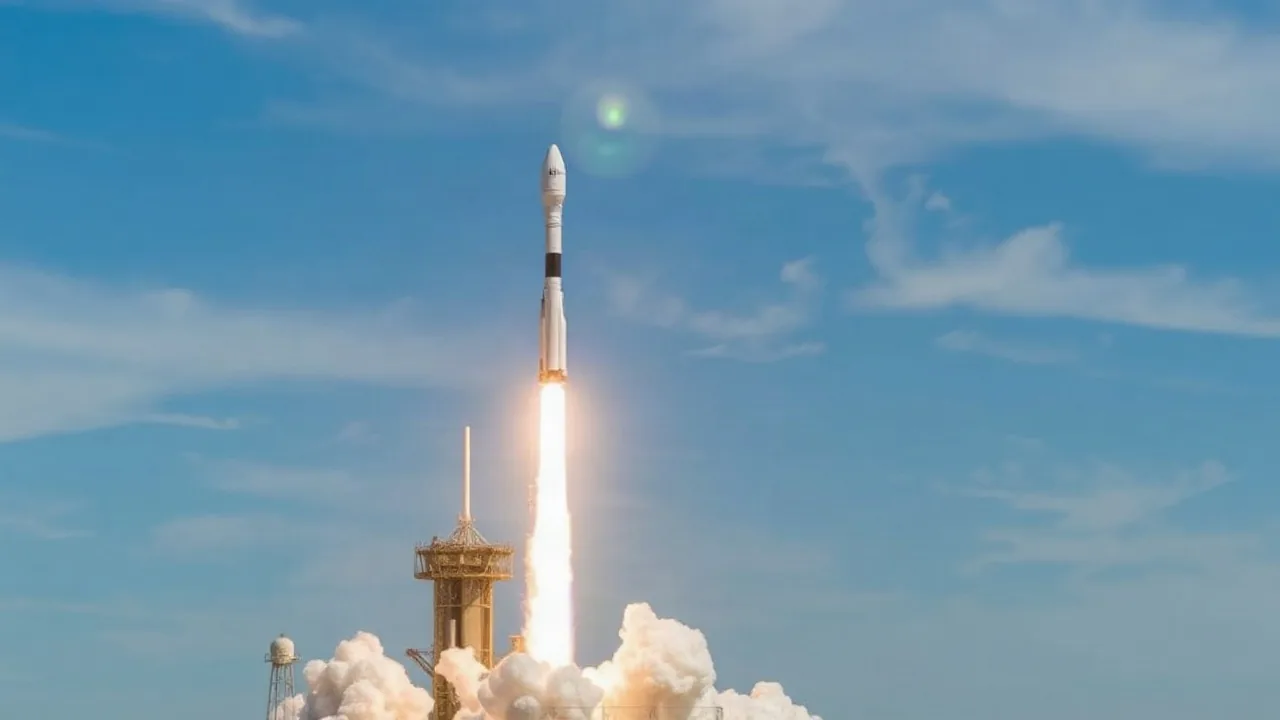
SpaceX successfully launched the Crew-13 mission today, October 1, 2026, sending four astronauts toward the International Space Station (ISS) from NASA's Kennedy Space Center in Florida. The Falcon 9 rocket carrying the Crew Dragon spacecraft lifted off from Launch Complex 39A at 11:00 AM EDT, marking another milestone in NASA's Commercial Crew Program.
The four-person crew includes a diverse group of experienced astronauts making their way to the orbiting laboratory for a planned six-month mission. Among them is an astronaut who is anticipating the birth of their third child, a significant personal event they will experience while stationed aboard the ISS.
This launch is part of an ongoing collaboration between NASA and SpaceX to provide regular crew rotation and vital research opportunities aboard the ISS. The Commercial Crew Program aims to reduce the cost and increase the efficiency of human spaceflight to low-Earth orbit.
New Crew Begins Extended Mission
The Crew-13 astronauts are expected to dock with the ISS approximately 24 hours after launch, joining the current Expedition crew. Their stay will focus on conducting a wide range of scientific experiments, maintaining station systems, and participating in spacewalks as needed. These experiments span various disciplines, including biology, physics, and Earth science, with findings often contributing to advancements on Earth.
The mission highlights the continued importance of human presence in space for scientific discovery and technological development. The astronauts will operate sophisticated equipment and contribute to long-term research projects that require human oversight and intervention. The challenges of living and working in microgravity also provide unique research opportunities into human physiology.
SpaceX has become a critical partner for NASA, providing reliable and increasingly cost-effective access to space for both cargo and crew. The company's reusable rocket technology has significantly reduced the cost of spaceflight missions. This ISS mission underscores the success of this public-private partnership, enabling more frequent and sustainable human space exploration.
The journey to the ISS is a complex ballet of orbital mechanics and engineering precision. Once docked, the Crew-13 astronauts will undergo a handover process with the outgoing crew before fully integrating into the station's operations. Their arrival will bring the total number of personnel aboard the ISS to eight for a brief period before the previous crew prepares for their return journey to Earth.
This latest NASA launch continues a busy year for human spaceflight, with multiple missions to the space station planned. The agency relies on these missions to maintain its continuous presence in orbit and to facilitate international cooperation in space exploration. The success of Crew-13 is vital for maintaining the operational tempo of the orbiting laboratory.