
SpaceX Falcon 9 Achieves Record 36th Launch Milestone
A SpaceX Falcon 9 rocket launched for a record 36th time on July 9, carrying 29 Starlink satellites. This mission extended the record for the most flights by a SpaceX booster.

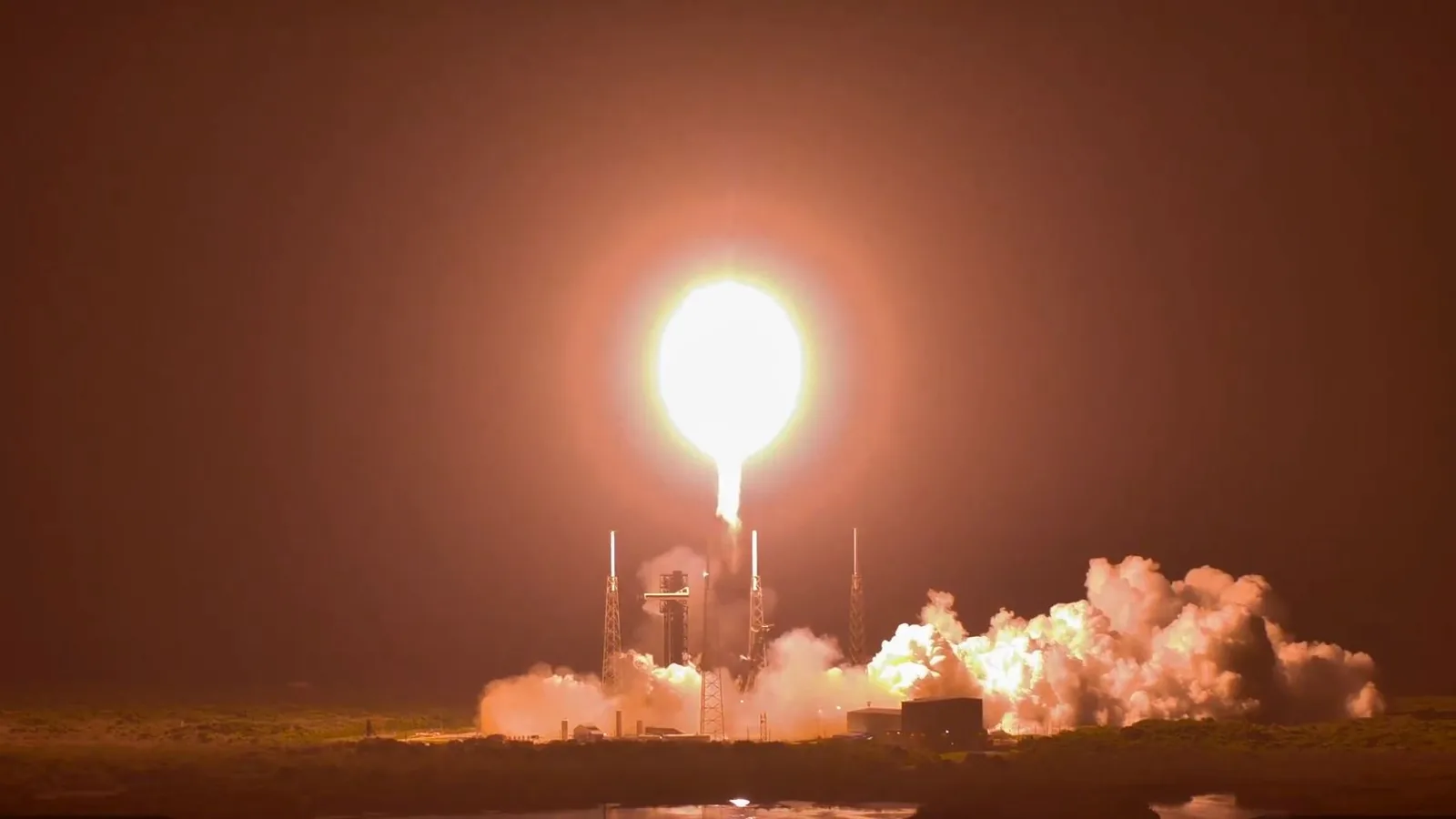
A SpaceX Falcon 9 rocket blasted off early Thursday, July 9, from Florida's Cape Canaveral Space Force Station for its record-shattering 36th mission. The launch occurred at 5:25 a.m. EDT, deploying 29 of the company's Starlink broadband satellites into low Earth orbit. This specific booster, designated B1067, has now surpassed all other SpaceX rockets in terms of orbital flights.
The milestone flight marks another achievement for SpaceX's workhorse rocket, which has become a cornerstone of the company's launch operations. Booster 1067's previous mission, its 35th, already secured it the top spot within SpaceX's fleet. While NASA's space shuttle Discovery previously held an overall orbital flight record of 39 missions, B1067's continuous service highlights the reusability and reliability SpaceX has engineered into its Falcon 9 program.
Reusable rocket technology propels SpaceX forward
The Falcon 9's ability to return and land for subsequent missions is central to SpaceX's strategy of reducing launch costs and increasing flight frequency. Following its ascent, the rocket's first stage successfully returned to Earth, landing approximately 8.5 minutes after liftoff on the drone ship "A Shortfall of Gravitas," positioned in the Atlantic Ocean. This successful recovery is crucial for the company's ambitious launch cadence. Meanwhile, the rocket's upper stage proceeded to deploy the 29 Starlink satellites into their intended orbit about 63.5 minutes post-launch.
This launch was the 80th mission for the Falcon 9 program in 2026 alone, underscoring the program's significant operational tempo. Approximately 80% of the rocket's flights this year have been dedicated to expanding the Starlink constellation, the world's most extensive satellite network. The ongoing build-out of Starlink satellites is designed to provide high-speed, low-latency internet access globally, particularly in underserved regions. The success of this reusable launch system is a testament to the advancements in spaceflight technology pioneered by Elon Musk's SpaceX.