
SpaceX IPO Date: What Investors Should Know in 2026
Elon Musk's SpaceX could go public as early as 2026 or 2027, marking a major shift in private aerospace investment. Here's what potential investors need to understand about the timing and implications.

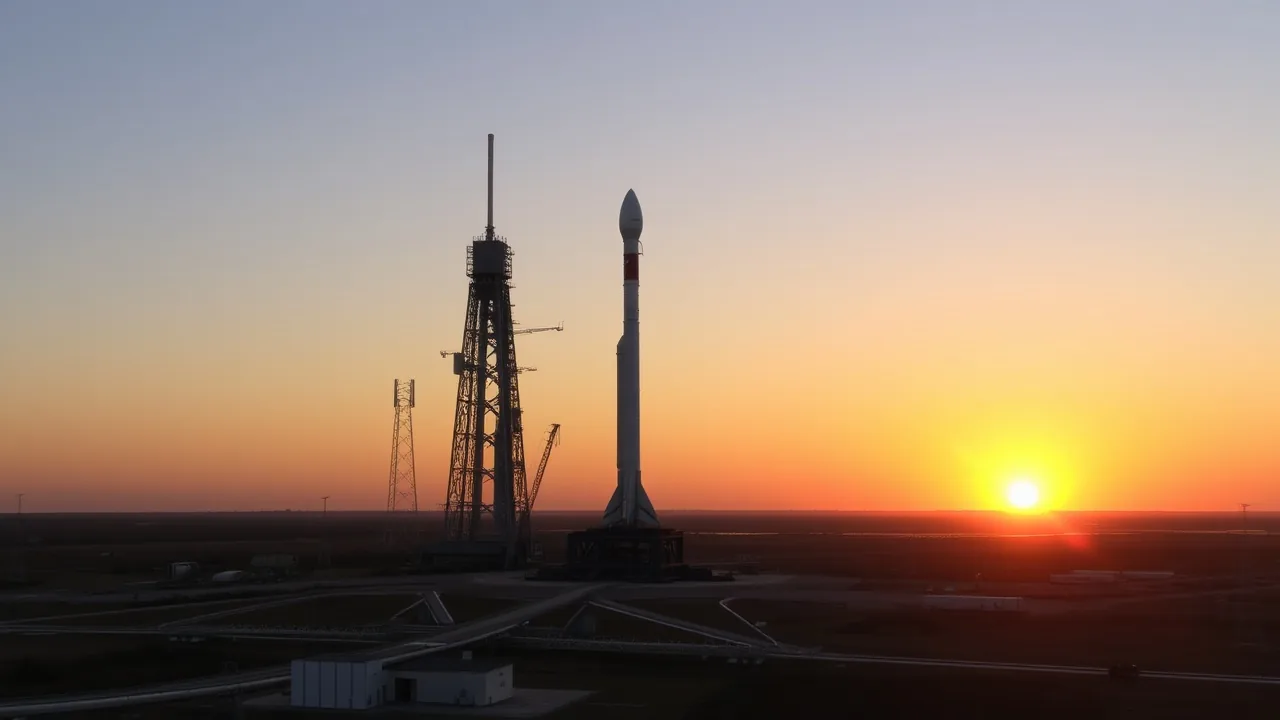
Elon Musk signaled in late 2024 that SpaceX would pursue a public offering, and as of mid-2026, the company remains privately held while the aerospace sector brims with speculation about when an SpaceX IPO might occur. The electric vehicle and rocket pioneer has not announced a formal filing date, but industry analysts expect the company to go public sometime between late 2026 and 2027, pending regulatory approval and market conditions. Such a move would fundamentally reshape the aerospace industry, giving retail investors direct access to one of the world's most valuable private companies.
SpaceX's current valuation hovers around $210 billion, making it one of the most expensive private companies globally. The firm generates revenue from multiple streams: Starlink satellite internet, national security contracts, and commercial launch services. A successful public listing would unlock capital for accelerated development of Starship, the fully reusable super-heavy lift rocket system that Musk has positioned as essential to Mars exploration and lunar missions.
"The timing of a SpaceX IPO will depend heavily on Starship's demonstration of operational reliability," said Morgan Stanley aerospace analyst David Biscocho in a May 2026 research note. He added that consecutive successful orbital test flights and Starlink subscriber growth could push Musk to move forward with a filing before year-end.
Why 2026 Matters for Space Exploration Investment
The broader space exploration sector is experiencing accelerated growth. Commercial launch competitors Blue Origin and Axiom Space are advancing their own capabilities, while government contracts for lunar and orbital infrastructure remain robust. NASA's Artemis program and the Department of Defense's space initiatives create sustained demand for reliable launch providers.
SpaceX dominates the U.S. commercial launch market with roughly 60 percent market share as of 2026. The company has conducted over 300 orbital launches, with Falcon 9 becoming the most frequently flown orbital rocket worldwide. Starlink, its satellite internet subsidiary, operates more than 6,000 active satellites and serves customers across North America, Europe, and other regions.
Private private equity firms and venture capitalists have already invested billions into space startups. Relativity Space, Rocket Lab, and Axiom have raised hundreds of millions in recent years. An IPO by SpaceX would likely catalyze a wave of public offerings from other aerospace firms competing for the same customer base.
Key Considerations for Potential SpaceX Shareholders
Investors eyeing a SpaceX public listing should weigh several factors. First, operational concentration risk: the company depends heavily on Musk's vision and approval for major decisions. Second, regulatory exposure: national security reviews, export controls on advanced rocket technology, and foreign trade compliance add legal complexity.
The company faces intense competition in multiple markets:
- Launch services from Blue Origin, Rocket Lab, and emerging Chinese providers
- Satellite internet from Amazon's planned Kuiper constellation and traditional telecom operators
- Orbital refueling and in-space infrastructure from various startups
Revenue sustainability also matters. Starlink profitability depends on sustained subscriber growth and pricing power. Government contracts, while stable, are subject to budget cycles and policy shifts. A public SpaceX would face quarterly earnings scrutiny that Musk has historically resisted.
Valuation expectations range widely among analysts. Some project a $350 billion to $400 billion valuation at IPO, assuming near-term Starship operational success. Others estimate lower multiples if technical delays persist. Traditional aerospace companies trade at 1.5x to 2x revenue; SpaceX likely commands a premium given growth prospects, but the exact price remains speculative.
Tax and accounting considerations also apply. Long-term holders of SpaceX private equity stakes, including Elon Musk himself, will face capital gains liabilities upon an IPO and subsequent trading. Early shareholders in SpaceX's funding rounds could see massive paper gains.
Timing uncertainty persists. Musk has previously indicated flexibility about the timeline, noting that SpaceX would go public "when it makes sense." Market downturns, aerospace sector volatility, or unexpected technical setbacks could delay a filing by months or years. Conversely, a breakthrough in Starship performance or surge in Starlink demand could accelerate plans.
Retail investors awaiting access to SpaceX shares should monitor quarterly Starship test flights, Starlink subscriber metrics, and official statements from company leadership. SEC filings, once submitted, will provide detailed financial disclosure. Until then, investment in publicly traded aerospace suppliers and competing launch providers remains the primary way for individual investors to gain exposure to this growth segment.