
SpaceX Launch Today Live: How to Watch Online
SpaceX continues its 2026 launch schedule with regular missions. Here's how to tune into live coverage of the next rocket launch from home.

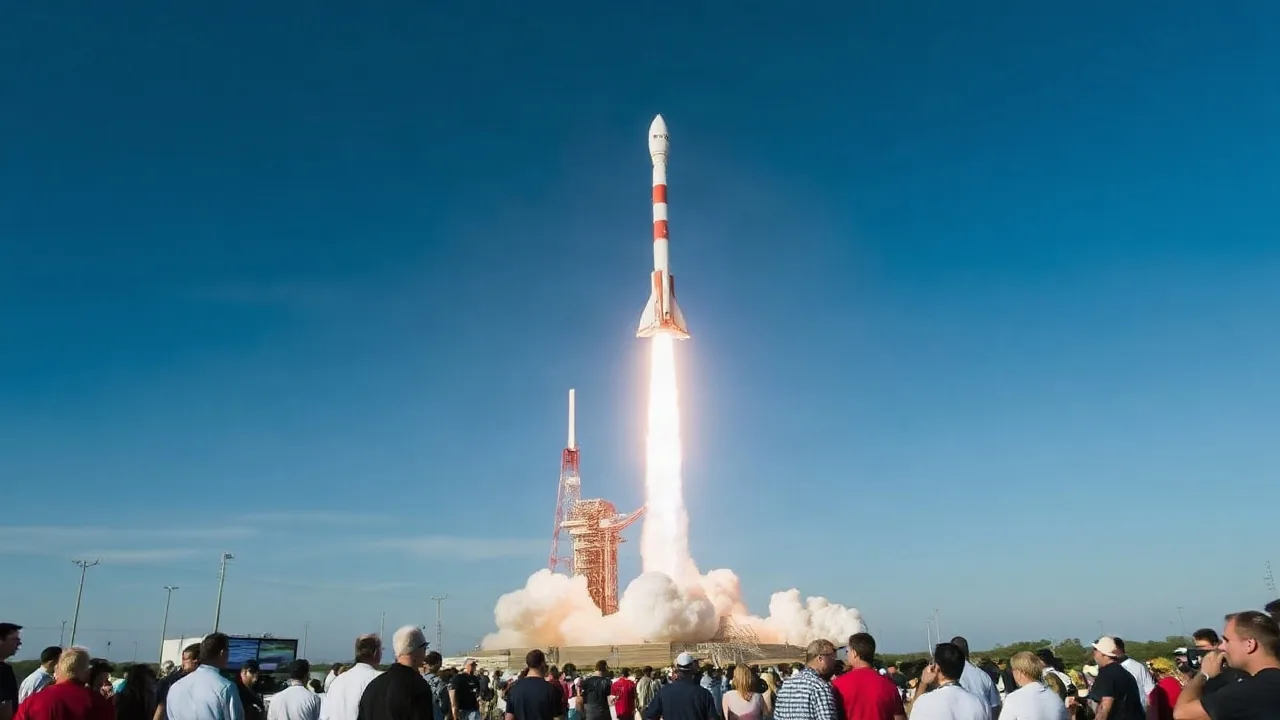
SpaceX is executing another mission as part of its ambitious 2026 flight manifest, and millions of space enthusiasts are preparing to watch the launch unfold in real-time from their screens. Whether you're a seasoned observer or tuning in for the first time, accessing watch SpaceX stream options has become straightforward, with multiple official and third-party platforms offering high-quality coverage.
The company operates a dedicated YouTube channel that streams nearly every orbital launch, carrying uninterrupted feeds from T-minus 15 minutes through stage separation and beyond. This channel remains the most direct route to official SpaceX commentary and telemetry overlays that explain what's happening during each phase of flight.
SpaceX's official website also hosts a webcast player on its mission pages, updated hours before each launch window. Mission details, payload information, and technical specifications appear alongside the stream, giving viewers context before ignition.
Finding Your Preferred Viewing Method
Several streaming platforms now carry space launch coverage simultaneously. NASA's own channels frequently broadcast SpaceX missions involving International Space Station resupply runs, while independent space journalism outlets like NASASpaceflight.com and Everyday Astronaut often provide parallel commentary streams with technical deep-dives.
For those seeking a social viewing experience, Reddit communities like r/spacex and r/space host live discussion threads timed to launch windows. These threads fill with real-time observations from engineers, former flight directors, and enthusiasts who annotate every major event during ascent and deployment.
"SpaceX launches have become a genuine cultural event," says Dr. Jonathan McDowell, an astrophysicist at the Harvard-Smithsonian Center for Astrophysics who tracks orbital launches daily. "The accessibility of live streams has transformed what was once a specialized technical audience into millions of people following each mission from their homes."
Mobile apps dedicated to space launches, such as NextSpaceLaunch and Rocket Launch Live, push notifications when a launch window approaches, allowing users to set reminders with direct links to active streams.
Timing and Preparation for Launch Day
SpaceX typically announces launch windows two to four weeks in advance, though exact times may shift by several days as teams complete final checks. The company publishes a mission schedule on its website and X (formerly Twitter) account, with countdown clocks appearing 24 hours before each attempt.
Weather remains the primary variable. Forecasts are reassessed continuously through the launch window, and SpaceX may recycle to a backup date if conditions deteriorate at the Florida or Texas launch sites. Live streams usually begin 15 to 20 minutes before the scheduled ignition time, providing time to settle in before the commentary team takes over.
Viewers tracking a live rocket launch should anticipate several hold patterns during the countdown. Holds are normal, allowing teams to complete final propellant loading, vehicle checks, and range clearance procedures. Major holds can extend timelines by 30 minutes or more, though streams continue uninterrupted with technical updates.
The entire ascent phase typically lasts eight to nine minutes for orbital missions. Once the second stage or upper stage ignites, the dramatic visual spectacle quiets into a prolonged coast phase, during which telemetry streams continue but visible action diminishes until payload deployment.
What to Expect During the Broadcast
Official SpaceX streams employ experienced launch commentators who narrate vehicle systems, engine performance, and milestone events in accessible language. Onscreen graphics display real-time altitude, velocity, G-forces, and throttle percentages, translating raw telemetry into intuitive visuals.
For Falcon 9 missions, the most common SpaceX vehicle, viewers will witness several key moments:
- First-stage boost phase and maximum dynamic pressure (max-Q), when aerodynamic stress peaks
- Main engine cutoff and stage separation, the violent moment when engines shut down and stages part
- Second-stage ignition and coast to orbit or deployment altitude
- Booster landing burn and touchdown, if a landing attempt occurs
- Payload separation and deployment confirmation
Booster landings on drone ships offshore or landing pads at Starbase in Texas provide the most visually compelling moments. High-definition camera feeds mounted on the landing platforms capture the supersonic descent and final hover-and-landing sequence, often drawing audible reactions from mission control teams visible in the stream.
Newer Falcon Heavy missions introduce additional complexity, with three cores launching simultaneously and two or three landing attempts occurring in parallel. These flights demand closer attention but reward viewers with unprecedented power and symmetry.
SpaceX has maintained a cadence of multiple launches per month throughout 2026, making opportunities to tune in relatively frequent. Testing new vehicle configurations, conducting long-duration booster test flights, and validating reusability improvements occupy the manifest alongside routine cargo and satellite deployment missions.
For those planning to watch a spacex launch today live, setting a reminder through your chosen platform 30 minutes before the announced window ensures you won't miss the opening minutes of commentary. Most streams remain archived for weeks afterward, permitting catch-up viewing and frame-by-frame analysis of key events.
Clear skies and stable power supply are the only infrastructure you need. The experience of watching a rocket climb toward space, narrated in real-time by the engineers who built it, remains one of the most accessible windows into active human spaceflight available today.