
SpaceX Launches 6,500 Pounds of Cargo to ISS on May 13
SpaceX's Dragon capsule launched 6,500 pounds of cargo, including scientific experiments and supplies, to the International Space Station on May 13. The mission, CRS-34, marks a record for the Dragon spacecraft.

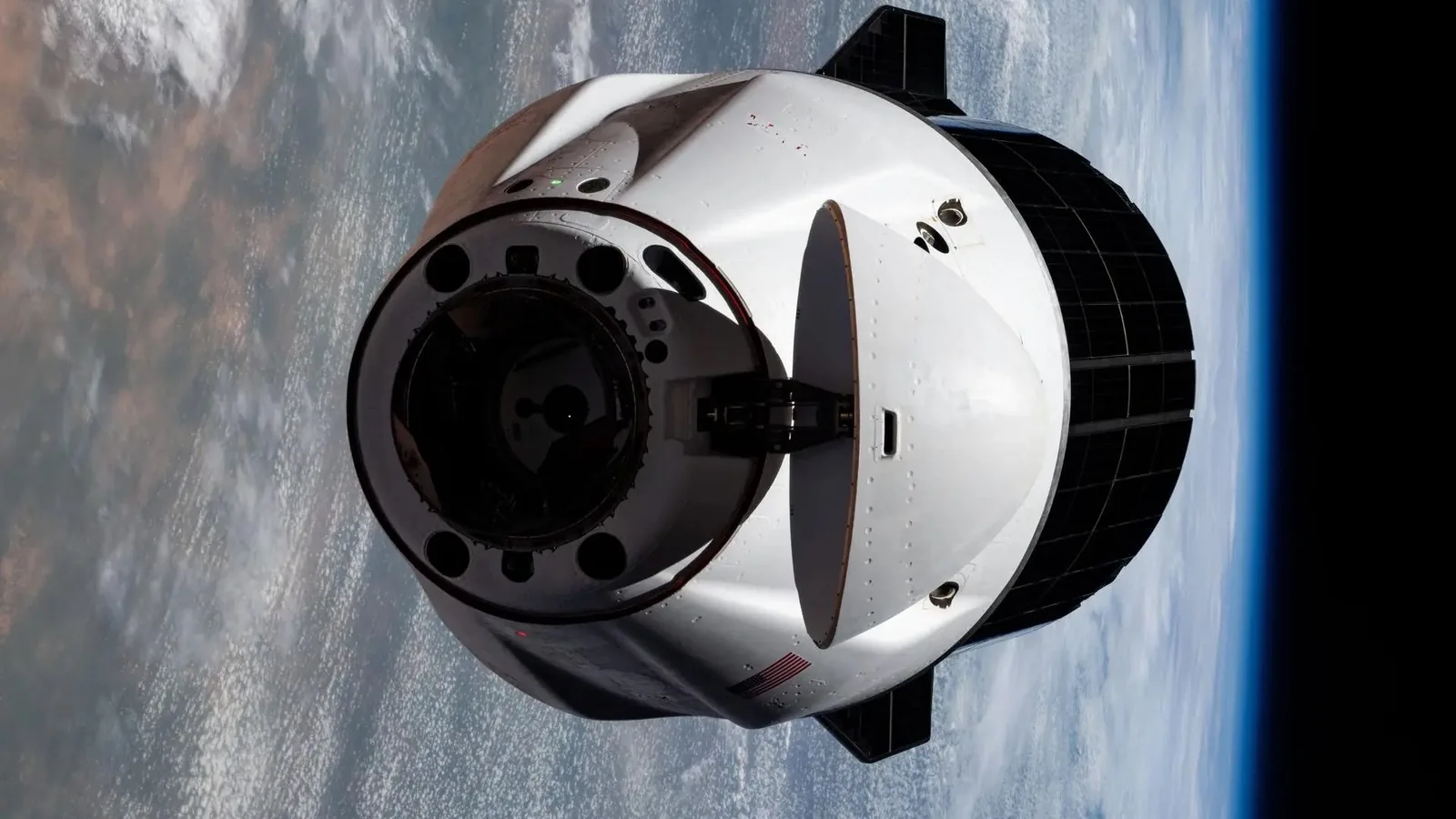
SpaceX successfully launched its Dragon cargo capsule toward the International Space Station on Wednesday evening, May 13, carrying approximately 6,500 pounds of vital supplies, hardware, and scientific experiments. The uncrewed Dragon lifted off atop a Falcon 9 rocket from Cape Canaveral Space Force Station in Florida at 6:50 p.m. EDT. The launch followed a one-day postponement due to unfavorable weather conditions that had previously scrubbed a Tuesday evening attempt.
The mission, designated CRS-34, represents the 34th resupply flight SpaceX has conducted for NASA's Commercial Resupply Services program. Live coverage of the launch was available through NASA and Space.com, commencing at 6:30 p.m. EDT. The Dragon capsule is expected to arrive at the orbiting laboratory on Thursday, May 14, docking autonomously with the ISS's Harmony module at approximately 7:35 a.m. EDT.
New Records and Scientific Endeavors
This particular Dragon capsule is making history with its sixth spaceflight, setting a new record for a SpaceX cargo craft. This milestone matches the record held by one of the company's astronaut-carrying Crew Dragon capsules, Endeavour. The CRS-34 mission will deliver a variety of cutting-edge scientific investigations. Among these are experiments designed to assess how well Earth-based simulators replicate microgravity conditions, the development of a bone scaffold derived from wood for potential osteoporosis treatments, and equipment to study changes in red blood cells and the spleen in space to enhance astronaut health during long-duration missions. NASA officials highlighted the significance of these investigations in a CRS-34 media advisory.
The Dragon capsule is scheduled to remain attached to the International Space Station for one month. Its return to Earth is planned for mid-June, featuring a splashdown off the coast of California. Notably, the Dragon capsule is the sole ISS resupply vessel capable of returning cargo and research materials to Earth. In contrast, other operational robotic freighters, such as Japan's HTV-X, Russia's Progress, and Northrop Grumman's Cygnus, are designed to burn up upon atmospheric re-entry.
Following its separation from the rocket's upper stage approximately 9.5 minutes after liftoff, the Dragon capsule began its journey to rendezvous with the ISS. Meanwhile, the Falcon 9 rocket's first stage completed its mission by returning to Earth for a landing at Cape Canaveral roughly eight minutes post-launch. This marked the sixth successful launch and landing for this specific booster, underscoring SpaceX's advancements in reusable rocket technology. The company's consistent success in launching and landing its boosters is a key factor in reducing the cost of space exploration.