
SpaceX and NASA Reshape Space Exploration in 2026
SpaceX and NASA intensify their partnership as commercial space ventures accelerate missions to orbit, the Moon, and Mars. Their evolving relationship marks a turning point in how humanity explores space.

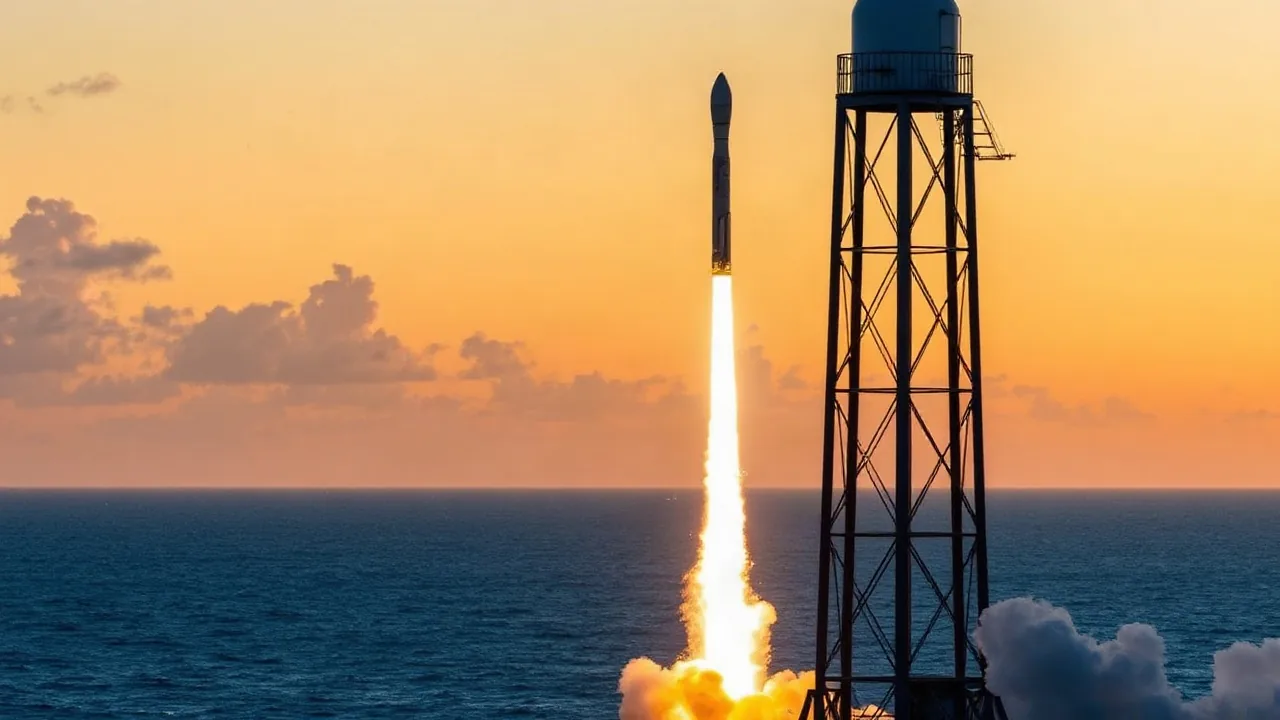
On September 3, 2026, SpaceX's Falcon 9 rocket lifted off from Kennedy Space Center carrying NASA astronauts to the International Space Station, the latest in a string of routine yet remarkable crew rotations that have defined the past five years. This seamless mission represents far more than a single launch: it exemplifies the new reality of SpaceX and NASA operating not as competitors but as essential partners reshaping the frontier of human spaceflight.
The relationship between the aerospace giant and the space agency has transformed dramatically since SpaceX's Crew Dragon program began operational missions in 2020. Today, commercial space ventures are no longer experimental ventures; they are the backbone of America's human spaceflight infrastructure.
The Commercial Revolution Meets Government Ambition
NASA's decision to partner with private companies rather than develop all capabilities in-house has unlocked unprecedented progress. SpaceX operates under Commercial Crew Program contracts that have generated billions in revenue while reducing per-launch costs from over $1 billion to approximately $200 million per crewed mission.
"We've proven the business model works," said Gwynne Shotwell, SpaceX's president and CEO, in remarks at the Space Foundation's Leadership Summit in August 2026. "The combination of government demand and commercial customers creates a sustainable market that drives innovation faster than either sector alone."
This efficiency extends beyond crew transport. SpaceX's Starlink constellation, now exceeding 6,000 operational satellites, has become a critical asset for NASA's ground-to-orbit communication infrastructure. Meanwhile, NASA's investment in Starship development through the Human Landing System program has accelerated SpaceX's architecture for lunar missions scheduled to begin in 2027.
The numbers tell the story:
- SpaceX has conducted 22 crewed missions to the ISS since 2020.
- Commercial crew transportation costs have dropped 75 percent compared to Space Shuttle-era expenses.
- Four private space stations are under development, with NASA committing to rent module space beginning in 2028.
- SpaceX's Starship program has received over $3 billion in NASA contracts through 2026.
Competition and Collaboration in Lunar and Mars Missions
The lunar frontier illustrates both the synergies and tensions in the future of space exploration. NASA selected SpaceX's Starship to carry astronauts from lunar orbit to the surface as part of the Artemis program. Blue Origin, backed by Amazon founder Jeff Bezos, won a separate contract for its Blue Moon lander, creating competitive pressure that has accelerated development timelines across the industry.
"The healthy competition between SpaceX and other providers keeps us all sharp," noted Bill Nelson, NASA administrator, during a congressional hearing in July 2026. "But we also recognize that SpaceX has demonstrated unmatched capability in reusable rocket technology and rapid iteration."
Artemis III, now targeted for 2028, will land two astronauts on the lunar south pole region, an area rich in water ice. The mission design leverages SpaceX's Starship for cargo delivery and crew descent, while NASA's Space Launch System (SLS) provides the heavy-lift capacity to send the crew module and other systems from Earth.
Beyond the Moon, space exploration strategy increasingly focuses on Mars. SpaceX's stated goal of establishing a self-sustaining city on Mars by the 2030s remains ambitious but no longer dismissed by mainstream aerospace analysts. NASA has committed to supporting precursor missions, including uncrewed cargo delivery using Starship, beginning in 2030.
Challenges and the Path Forward
Integration between government and commercial operators remains complex. Regulatory oversight, liability frameworks, and export control restrictions still slow some joint initiatives. SpaceX must navigate federal licensing for each launch while meeting NASA's stringent safety protocols, a balance that requires constant negotiation.
Additionally, budget uncertainties loom. While Congress has historically supported NASA funding, sustained commitment to lunar exploration and Mars preparation faces skeptics who question whether current budget allocations justify the timelines being proposed. SpaceX's lower costs help, but ambitious missions demand long-term financial stability.
The relationship will also face fresh competition. China's space program announced plans for a crewed lunar landing before 2030, and several international space agencies are accelerating their own initiatives. This external pressure may strengthen the SpaceX-NASA partnership or create new pressures to diverge strategies.
By September 2026, the fundamental shift is clear: the era of government-only spaceflight has ended in the United States. SpaceX has not replaced NASA; instead, the two entities have redefined the boundary between public mission and commercial profit. As crewed missions become routine, resupply contracts multiply, and private space stations take shape, the next chapter of human exploration will be written by organizations working in concert, each bringing distinct strengths to the oldest dream of leaving Earth behind.