
SpaceX Starlink Launch Aborted Minute Before Liftoff at Cape Canaveral
SpaceX's 75th Starlink mission of 2026 was scrubbed just seconds before launch from Cape Canaveral due to an unexpected abort. A new launch attempt is pending, with weather posing potential challenges.

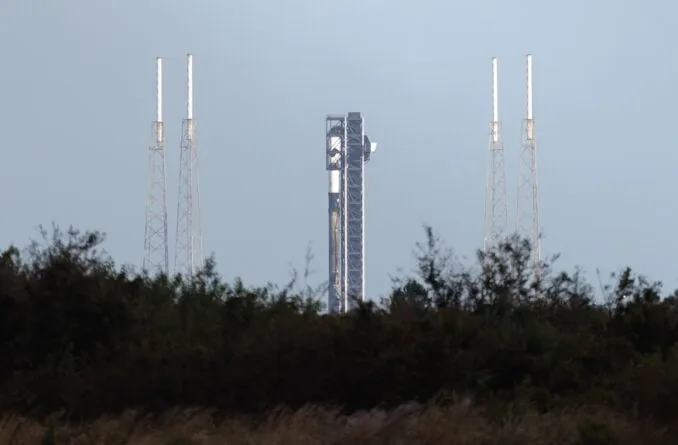
SpaceX was forced to scrub a planned Starlink satellite launch from Cape Canaveral Space Force Station on Thursday, August 20, 2026, after an abort command was issued less than a minute before the scheduled liftoff. The mission, designated Starlink 10-39, aimed to deploy 29 more broadband internet satellites into low Earth orbit as part of the company's rapidly expanding megaconstellation.
The liftoff from Space Launch Complex 40 was originally set for 11:38 a.m. EDT (1538 UTC). However, mission control halted the countdown with seconds remaining, preventing the Falcon 9 rocket from ascending. SpaceX did not immediately provide a specific reason for the last-minute abort, ending its broadcast shortly after the scrub.
The aborted flight would have marked the 75th Starlink deployment mission for SpaceX in 2026, underscoring the company's aggressive launch cadence. The rocket's first-stage booster, B1078, was also set to achieve a significant milestone, making its 30th flight, a feat only accomplished by a handful of SpaceX boosters.
Weather Concerns for Next Attempt
SpaceX has not yet announced a new launch date, but if the company aims to try again on Friday, August 21, weather conditions could present a hurdle. The 45th Weather Squadron forecast an 80 percent chance of favorable conditions at the opening of the launch window, but this probability decreases to 40 percent as the window progresses.
Forecasters identified locally developing showers and storms along the sea breeze as the primary concern. While these are expected to be isolated initially, their eastward movement across Florida later in the window could impact the launch. "The main concern at the beginning of the primary window will be violations associated with locally developing showers and storms along the sea breeze," launch weather officers stated in their Wednesday assessment. "However, coverage during this period should be isolated and thus will maintain a lower [probability of violating weather constraints] at the start of the window with this forecast update."
The outcome of this mission is critical for Starlink's continued expansion. The satellite internet service aims to provide high-speed broadband to underserved and remote areas globally. Each successful deployment brings SpaceX closer to its goal of covering the entire planet with internet connectivity. The company's ability to maintain its ambitious launch schedule is key to achieving this objective, despite occasional setbacks like Thursday's abort. The SpaceX Falcon 9 rocket has become a workhorse in the commercial launch industry, demonstrating remarkable reliability and flight rate.
The booster, B1078, is one of the most experienced in SpaceX's fleet, and its successful return and reuse are vital to the company's cost-efficiency goals. The detailed performance of each booster flight is closely monitored by the company and the wider aerospace industry, as it provides valuable data for future rocket development and operational improvements. The upcoming space launch attempts will be watched closely by industry observers, as SpaceX continues to push the boundaries of reusable rocket technology and satellite deployment frequency. The successful deployment of these satellites is crucial for maintaining the integrity and capacity of the Starlink constellation, ensuring consistent service for millions of users worldwide.