
SpaceX Aims for Starship's First Orbital Flight on Sept. 28
SpaceX is targeting September 28 for the first true orbital flight of its Starship rocket. This marks a critical and high-stakes test for the company's ambitious space program.

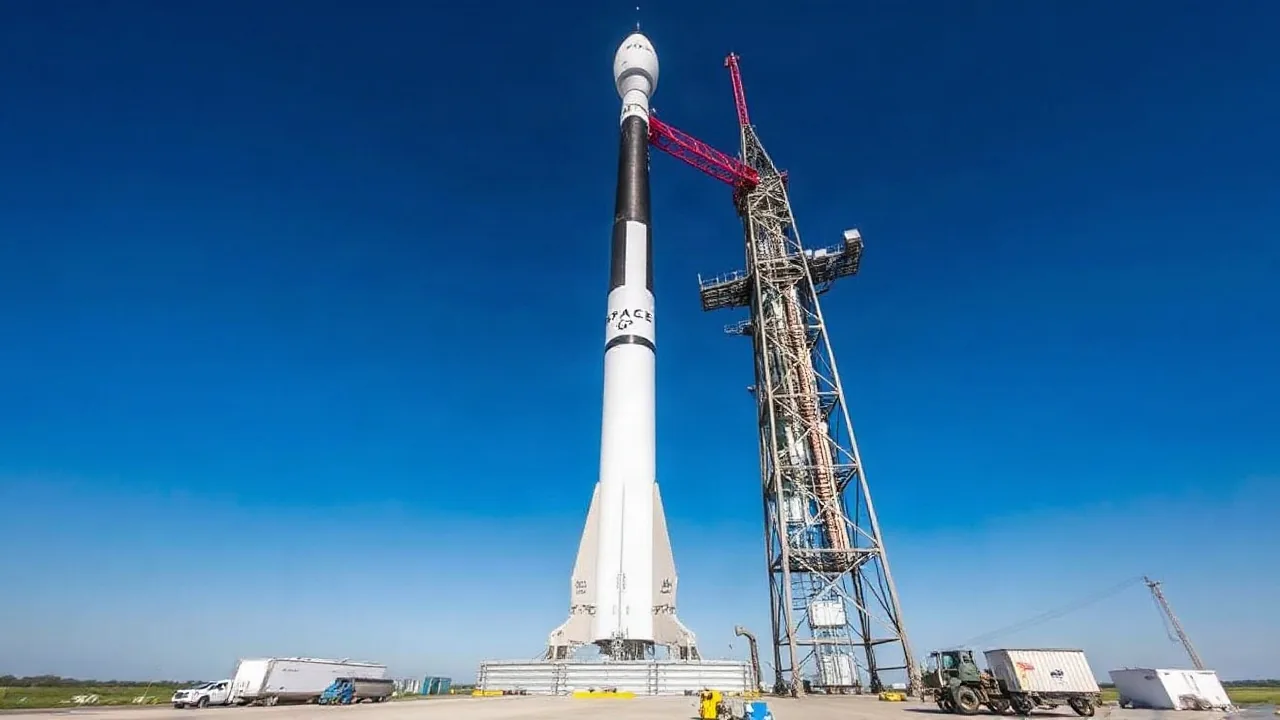
SpaceX is poised to attempt the first-ever orbital flight of its Starship rocket on September 28, a milestone representing the most significant and ambitious test for the colossal vehicle to date. The launch, originating from SpaceX's Starbase facility in Boca Chica, Texas, carries immense expectations as the company, led by Elon Musk, aims to validate the full-flight capabilities of its next-generation spacecraft.
This upcoming mission, designated Flight 14, differs substantially from previous test flights. While earlier endeavors focused on suborbital trajectories and demonstrating incremental progress, this attempt is designed to push Starship beyond Earth's atmosphere and achieve a full orbit, a feat that will require the successful ascent of both the Starship upper stage and its Super Heavy booster, followed by their intended separation and subsequent stages of flight.
A New Era of Space Exploration
The Starship program represents SpaceX's vision for a reusable transportation system capable of carrying humans and cargo to Earth orbit, the Moon, Mars, and beyond. Its development is crucial for Musk's long-term goals of colonizing other planets. The stainless-steel rocket stands taller than the Statue of Liberty and is powered by SpaceX's Raptor engines, making it the most powerful launch system ever constructed.
Previous Starship test flights have yielded valuable data, with notable successes including stage separation and controlled descents. However, each test has also highlighted areas requiring further development. The company has systematically iterated on the design and operational procedures based on the outcomes of these tests, a hallmark of SpaceX's agile development philosophy. The successful orbital insertion and subsequent operational phases will be key indicators of progress.
"This orbital flight test is a critical step in achieving reusability for Starship," a SpaceX spokesperson stated. "It will provide us with invaluable data to improve the reliability and performance of the system as we work towards our ultimate goal of making life multiplanetary." The company has indicated that while achieving orbit is the primary objective, lessons learned from the entire mission profile are paramount.
The success of this mission could accelerate timelines for future SpaceX endeavors, including NASA's Artemis program, which has selected Starship as its lunar lander for upcoming crewed missions to the Moon. Achieving orbital flight is a prerequisite for many of these deeper space ambitions. The complexities of achieving orbit involve precisely timed engine burns, stage separation, and trajectory corrections, all of which will be closely monitored by SpaceX engineers and the broader space community.
The stakes are exceptionally high, not only for SpaceX but for the future of commercial spaceflight. A successful orbital demonstration would validate the immense investment in the Starship program and bolster confidence in its potential for complex, long-duration missions. Conversely, any significant failure could lead to delays and necessitate further redesigns and testing, impacting the ambitious schedules SpaceX has set for itself and its partners.